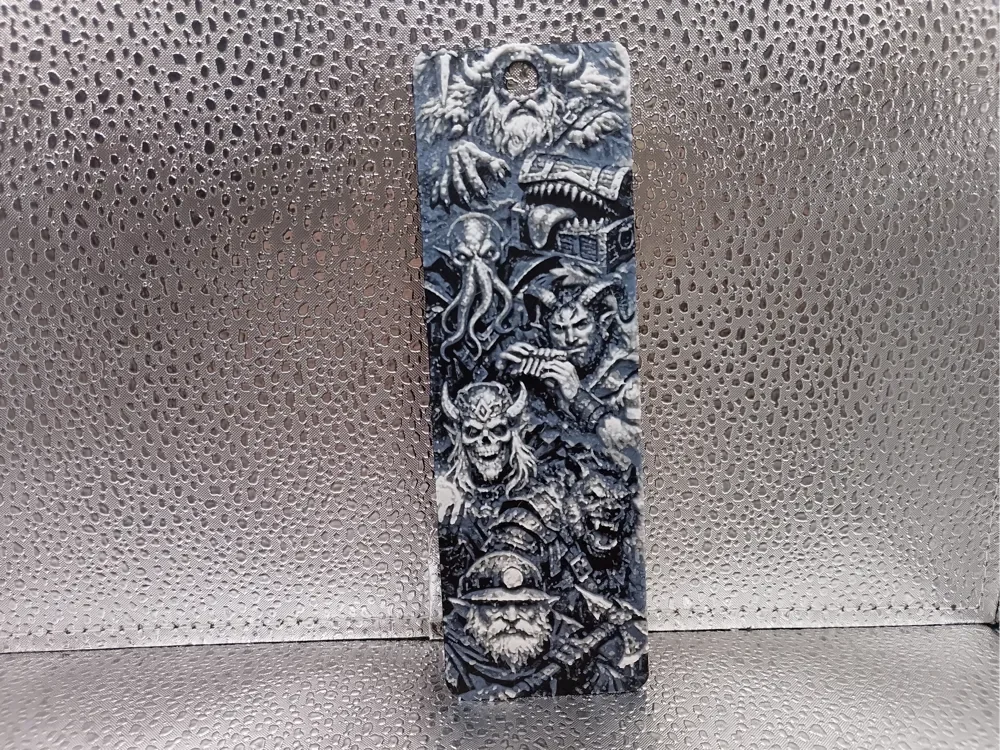
Dungeons & Dragons Bookmark – Hueforge
Menacing creatures from fantasy's darkest realms emerge in this intricately layered Dungeons & Dragons bookmark. Multiple tiers of monsters, demons, and skeletal warriors create dramatic depth through careful HueForge printing techniques. The monochromatic palette emphasizes haunting details—from gnarling claws and fanged maws to horned beasts and armored undead. Each layer builds upon shadowy grays and deep blacks, transforming this vertical composition into a portal of adventure that captures D&D's epic encounters perfectly.
View on MakerWorldRequired Filaments4
Why filament details may vary
Filament details (brand, color, and TD value) may not exactly match the designer's original specification. In some cases, the designer didn't specify exact filaments and we've matched the closest options we could find. Always check the original listing for full details.
Some filament links are affiliate links — we may earn a small commission at no extra cost to you. Learn more
Sign up to track your filament inventory and check your matches.
Create accountYou Might Also Like
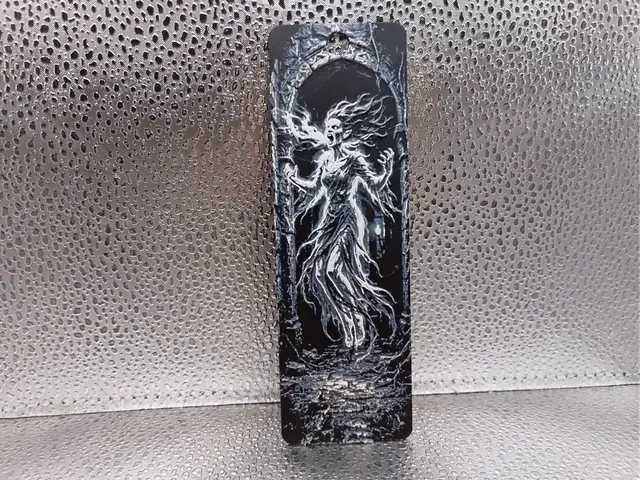
Banshee Bookmark – Hueforge
by Borishotch Industries
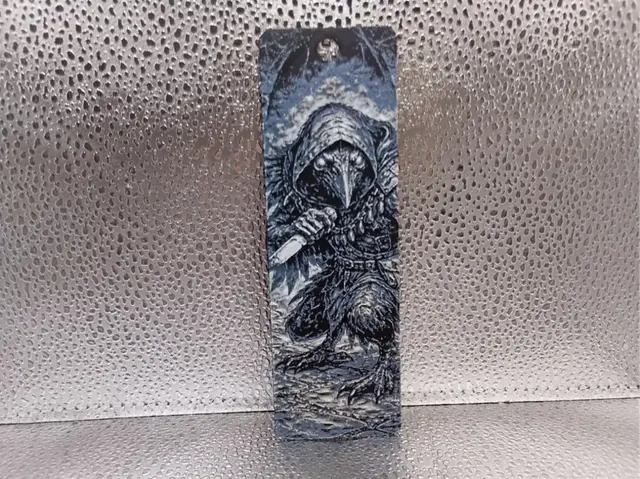
Kenku Bookmark – Hueforge
by Borishotch Industries
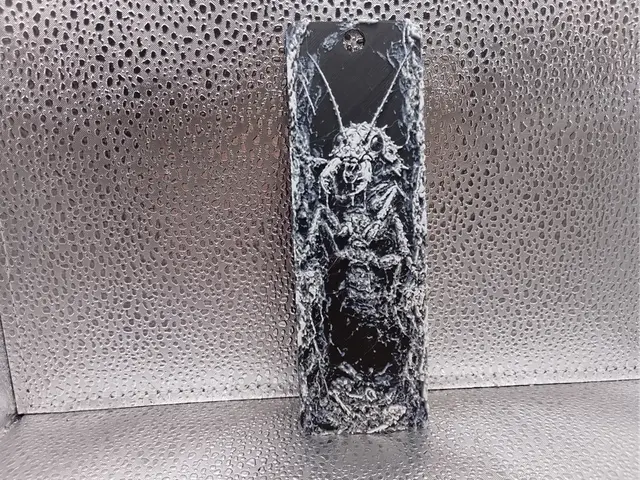
Ankheg Bookmark – Hueforge
by Borishotch Industries
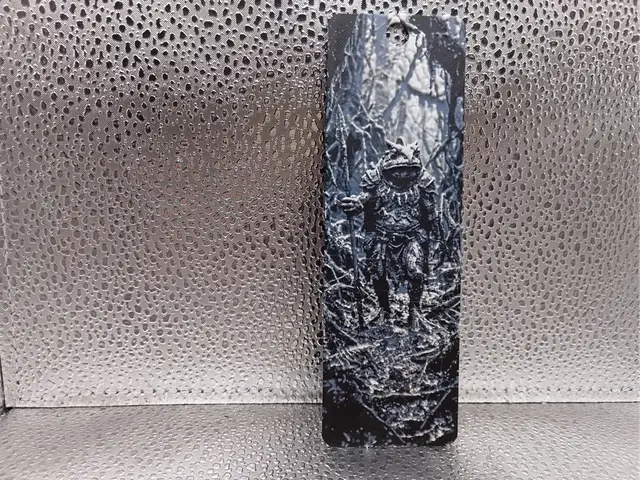
Bullywug Bookmark – Hueforge
by Borishotch Industries
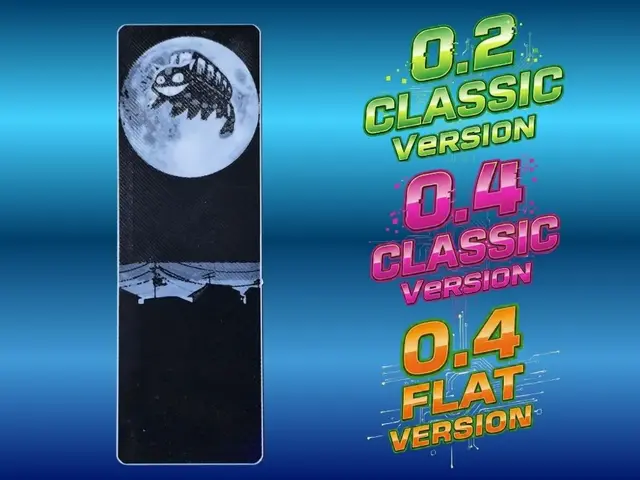
CatBus Totoro Bookmark
by Atrus Design
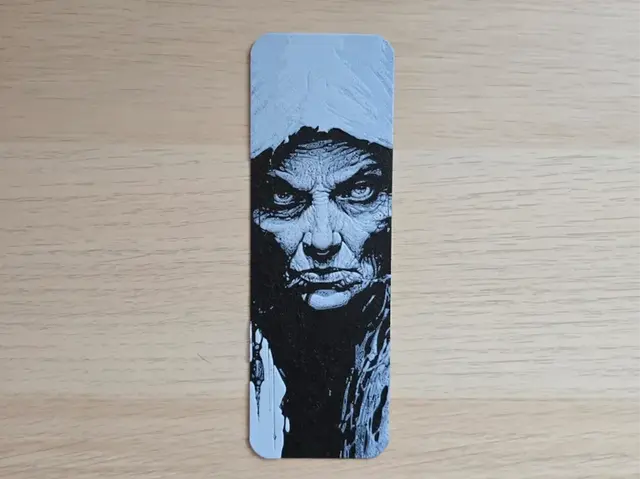
Witch Bookmark
by Atrus Design
Recent Articles
View all
Best Christmas 3D Prints for HueForge: Ornaments, Santa & Holiday Movie Posters
The Christmas 3D prints worth making as HueForge filament paintings — tree ornaments, Santa and snowmen, holiday movie posters, festive fandom crossovers, and gift tags, grouped by theme.
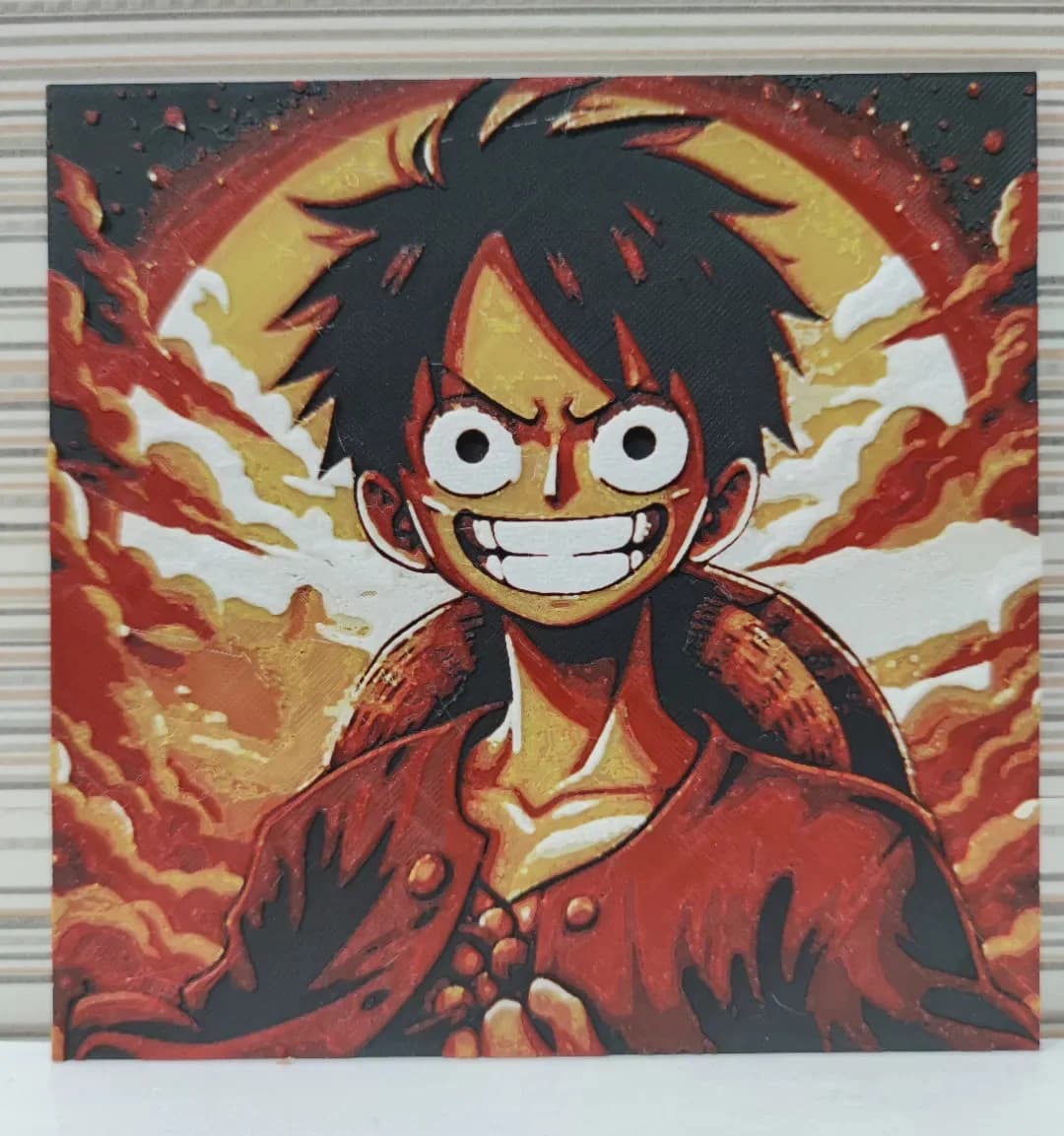
Best Anime 3D Prints for HueForge: From Shōnen Classics to the Modern Wave
The best anime 3D prints to make as HueForge filament paintings — One Piece, Naruto, Dragon Ball, Demon Slayer, Jujutsu Kaisen, Frieren, Gundam, and anime bookmarks, each linked in the HuePick catalog.
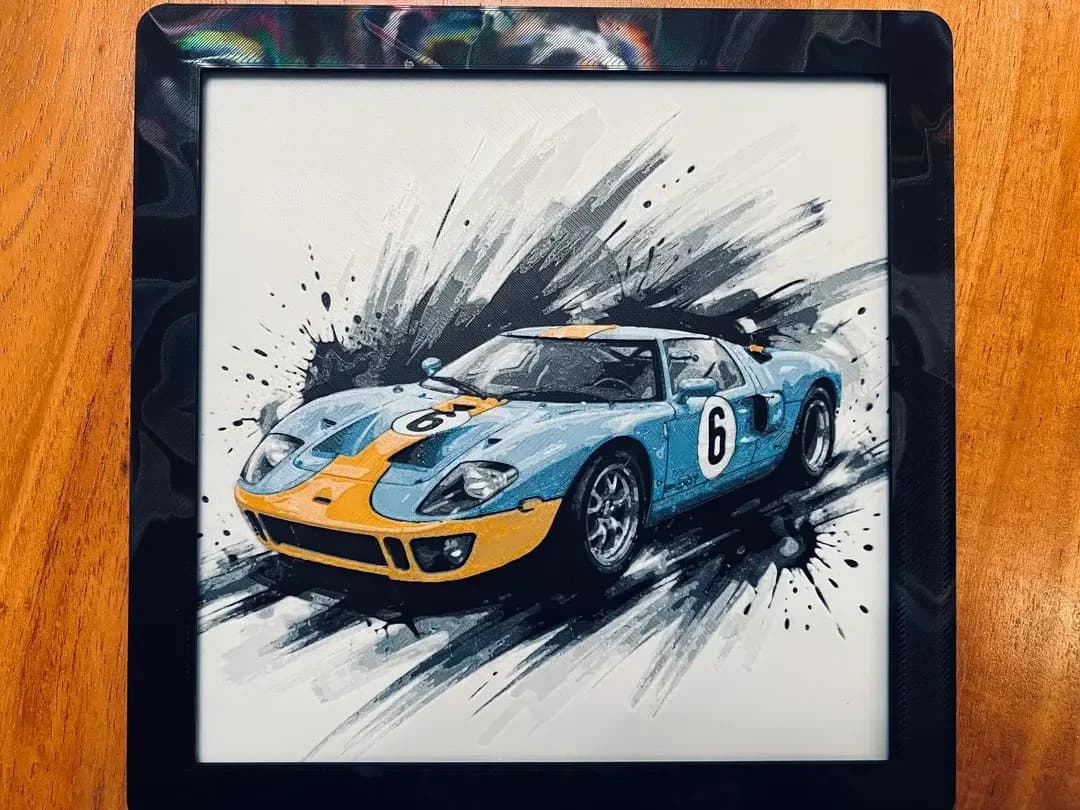
Best Car 3D Prints for HueForge: From Japanese Icons to Movie Cars
The best car 3D prints to make as HueForge filament paintings — JDM legends, supercars, American muscle, F1 and rally posters, and movie icons like the DeLorean, each linked in the HuePick catalog.