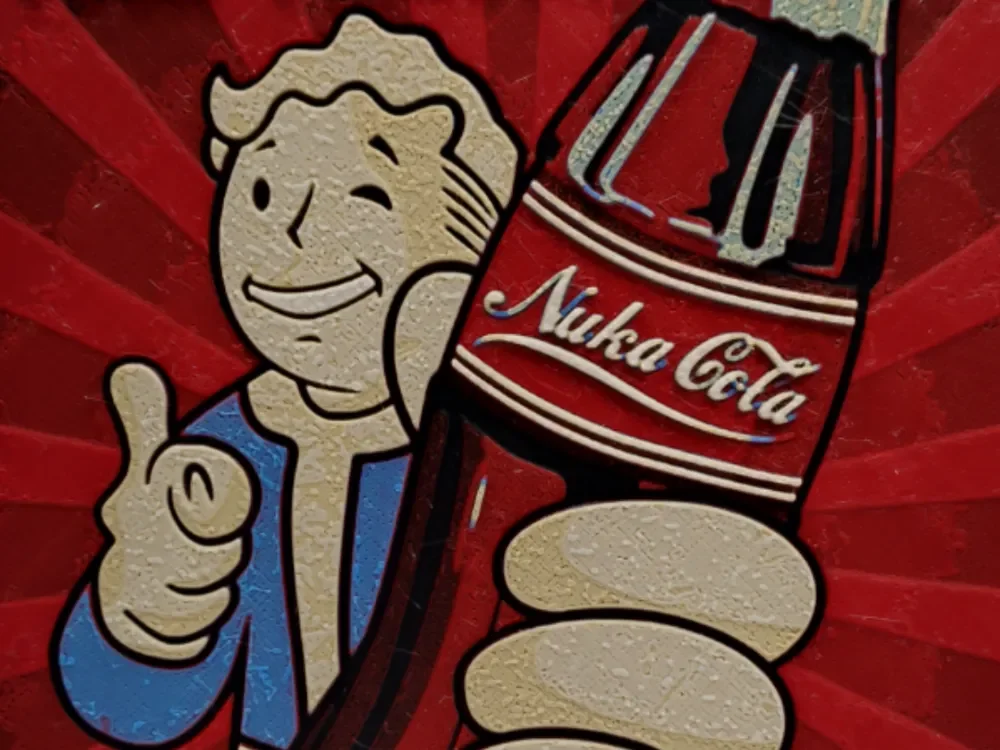
Fallout-NukaCola v3 improved version
by Asgar3D
Vault Boy's iconic thumbs-up gesture radiates retro charm against a bold sunburst background in this post-apocalyptic tribute. The beloved Fallout mascot grins confidently while displaying a classic Nuka-Cola bottle, rendered in rich reds and deep blues that capture the game's distinctive aesthetic. Asgar3D's improved design showcases the perfect blend of 1950s Americana and wasteland nostalgia that defines the franchise's visual identity.
View on MakerWorldRequired Filaments5
Bambu Lab Basic Black
Bambu Lab Basic Red
Bambu Lab Basic Cyan
Bambu Lab Matte Desert Tan
Bambu Lab Basic Jade White
Why filament details may vary
Filament details (brand, color, and TD value) may not exactly match the designer's original specification. In some cases, the designer didn't specify exact filaments and we've matched the closest options we could find. Always check the original listing for full details.
Some filament links are affiliate links — we may earn a small commission at no extra cost to you. Learn more
Sign up to track your filament inventory and check your matches.
Create accountYou Might Also Like
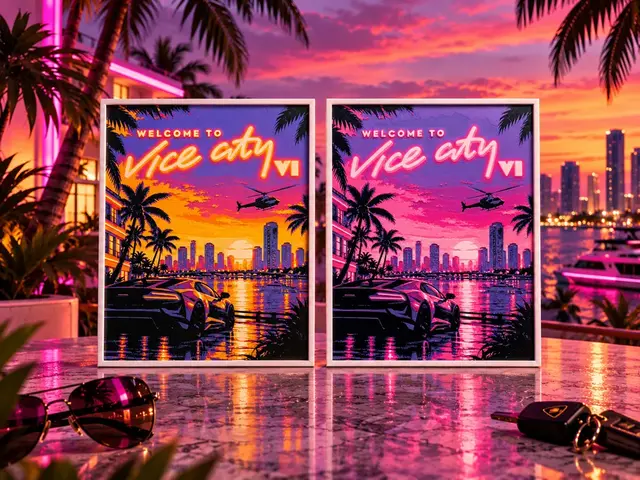
Welcome to Vice City - GTA VI - HueForge
by keko
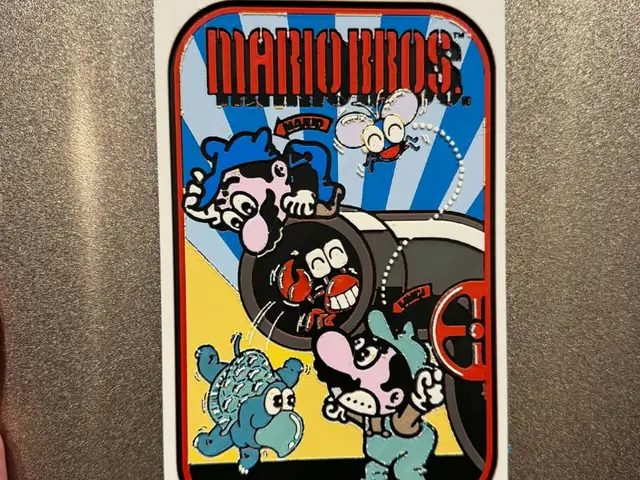
Mario Bros. Classic Arcade Side Art
by IslandLooter

Pitfall! - Classic Console Video Game Box Art
by IslandLooter
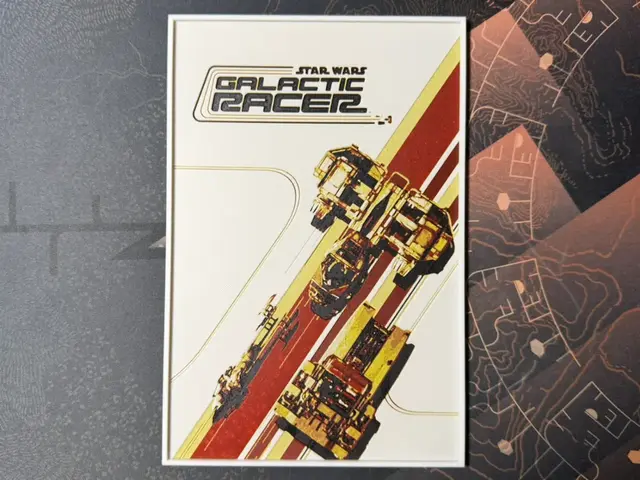
STAR WARS Galactic Racer - HueForge
by ZorPrime7
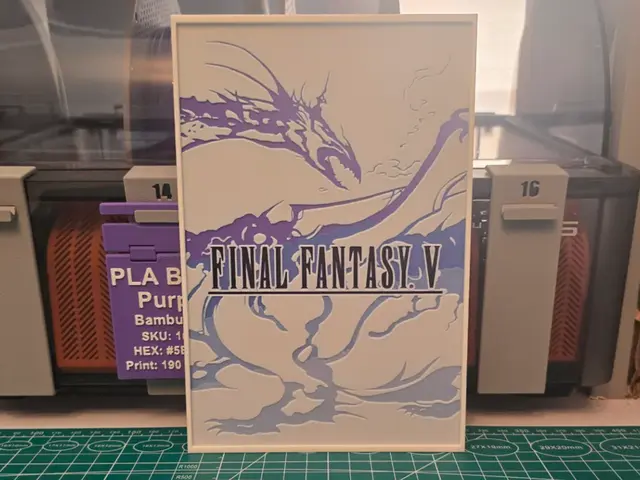
Final Fantasy V Game Poster - Hueforge Art
by Lumpy3D
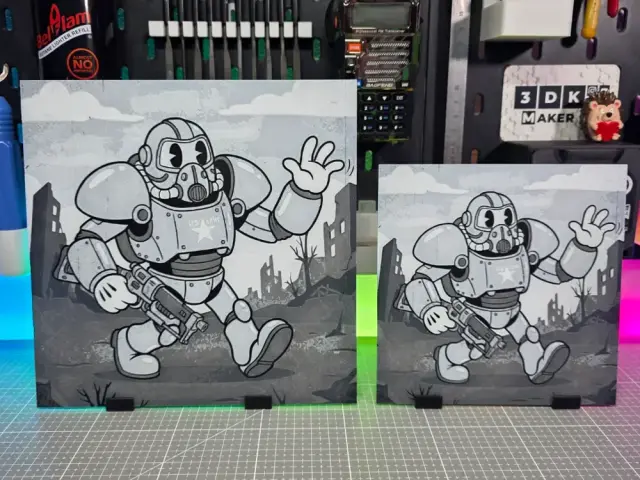
Anime Fallout - Hueforge - 3 Colors
by Montoya Maker
Recent Articles
View all
Best 3D Printed Gifts for Everyone on Your List — Made with HueForge
The best 3D printed gifts for everyone on your list, made with HueForge — custom pet and portrait art, ornaments and gift tags, bookmarks, and fandom prints matched to the recipient, plus how to turn gift requests into income.
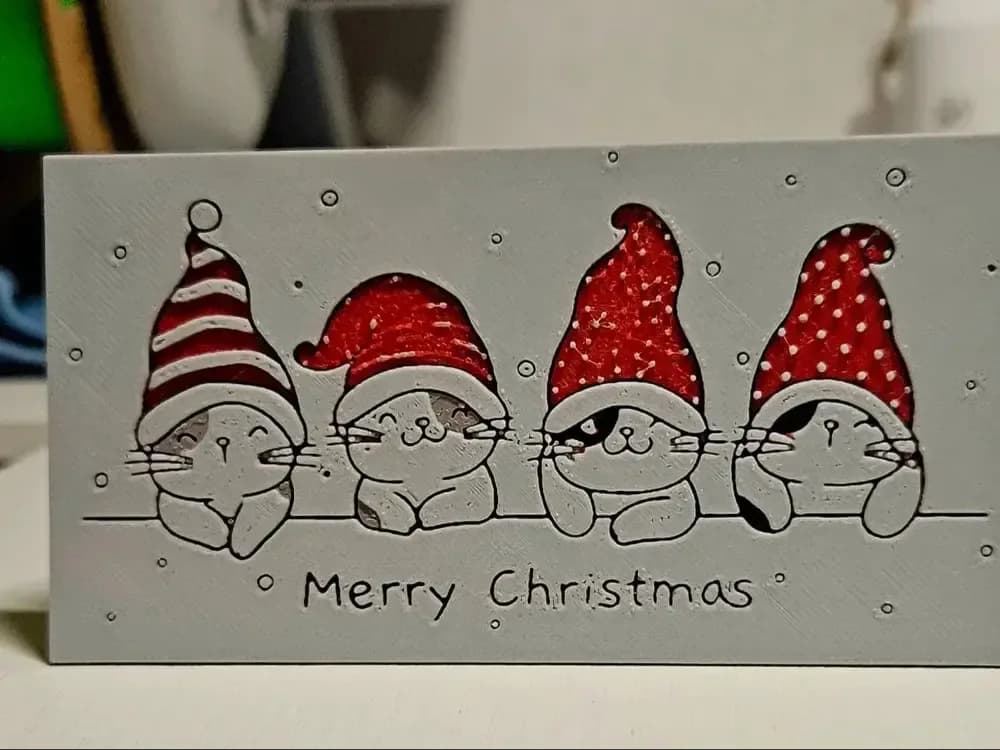
Best Christmas 3D Prints for HueForge: Ornaments, Santa & Holiday Movie Posters
The Christmas 3D prints worth making as HueForge filament paintings — tree ornaments, Santa and snowmen, holiday movie posters, festive fandom crossovers, and gift tags, grouped by theme.
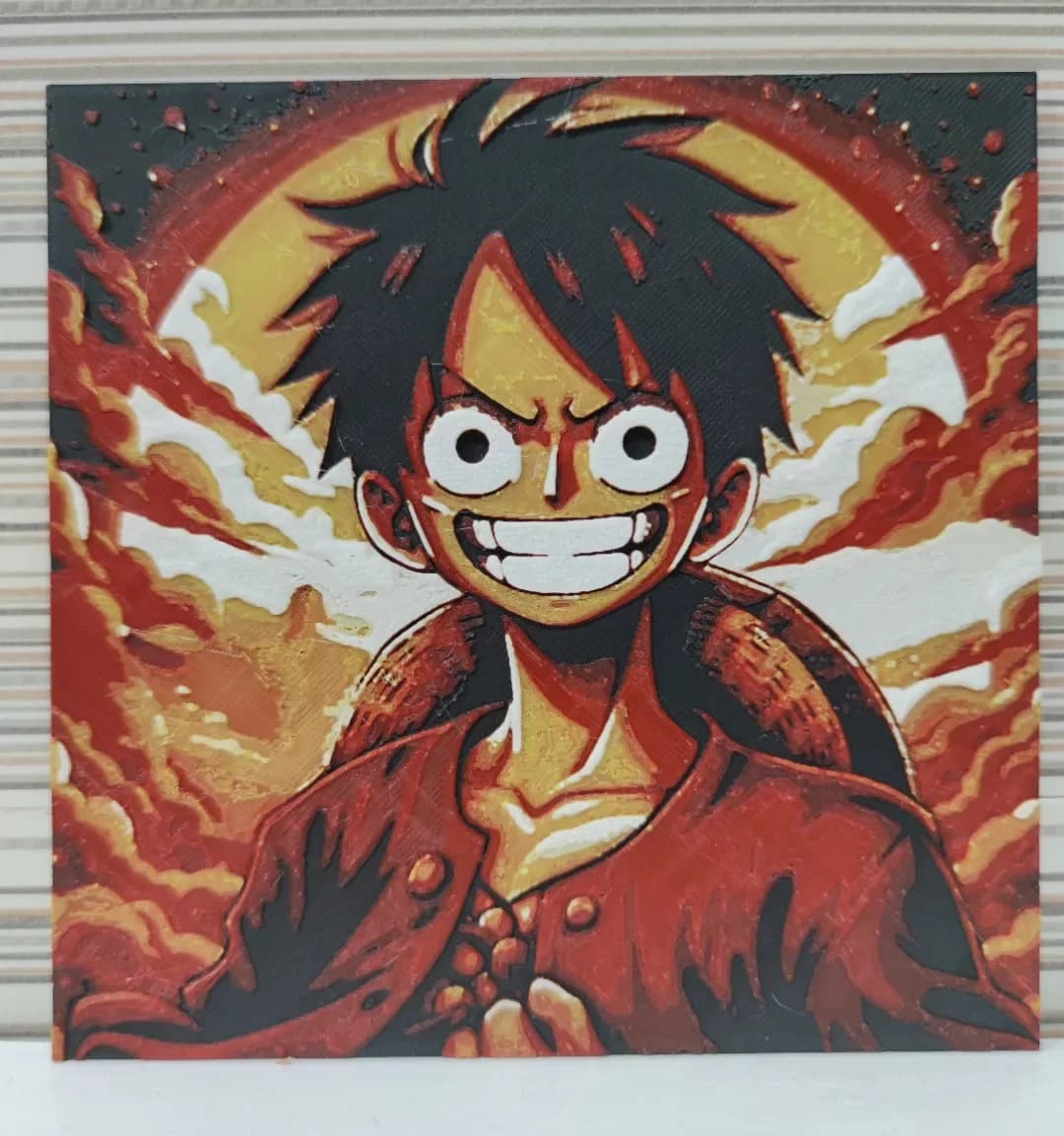
Best Anime 3D Prints for HueForge: From Shōnen Classics to the Modern Wave
The best anime 3D prints to make as HueForge filament paintings — One Piece, Naruto, Dragon Ball, Demon Slayer, Jujutsu Kaisen, Frieren, Gundam, and anime bookmarks, each linked in the HuePick catalog.