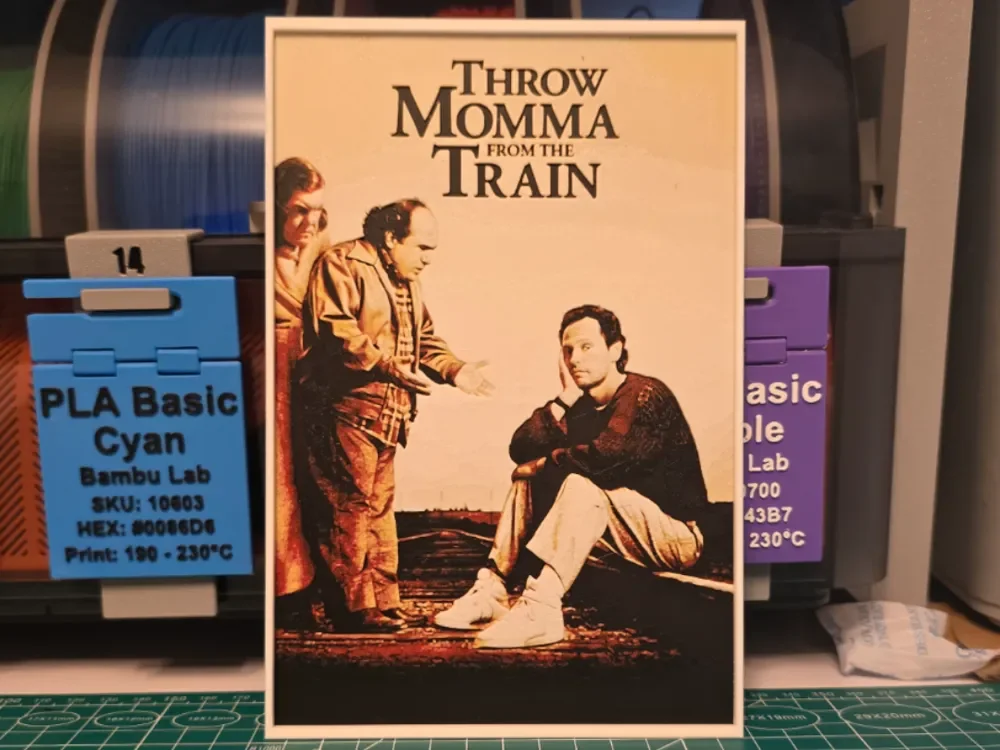
Throw Momma from the Train Movie Poster - Hueforge
by Lumpy3D
Danny DeVito and Billy Crystal's unlikely partnership comes to life in this nostalgic movie poster recreation. Warm sepia tones and vintage color grading capture the dark comedy's 1987 aesthetic, with DeVito's scheming character looming over Crystal's bewildered writer beside the train tracks. The classic poster composition balances humor and menace through carefully layered earth tones and dramatic lighting effects.
View on MakerWorldRequired Filaments4
Bambu Lab Basic Black
Bambu Lab Basic Red
Bambu Lab Basic Yellow
Bambu Lab Basic Jade White
Why filament details may vary
Filament details (brand, color, and TD value) may not exactly match the designer's original specification. In some cases, the designer didn't specify exact filaments and we've matched the closest options we could find. Always check the original listing for full details.
Some filament links are affiliate links — we may earn a small commission at no extra cost to you. Learn more
Sign up to track your filament inventory and check your matches.
Create accountYou Might Also Like
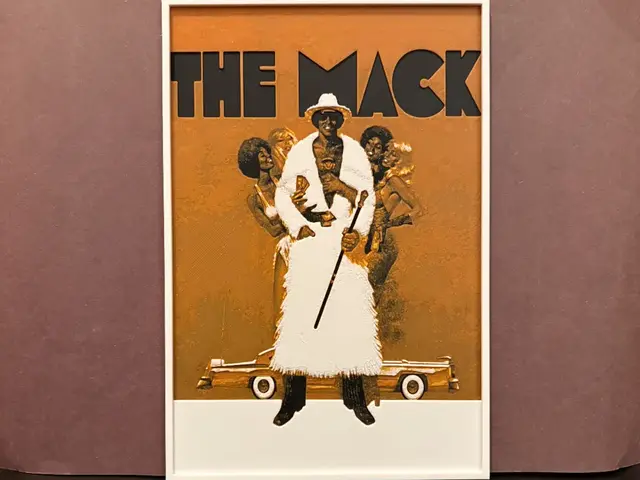
The Mack Hueforge
by Estiv
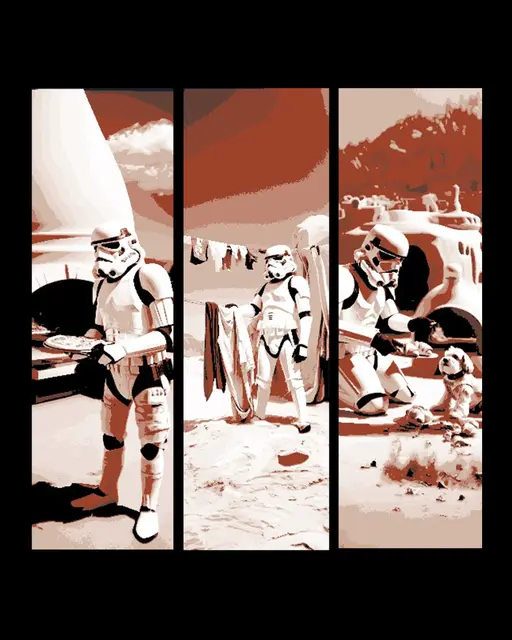
What do Stormtroopers do in their off-time??? - Star Wars Fan Art Set of Bookmarks
by BooneCo3d
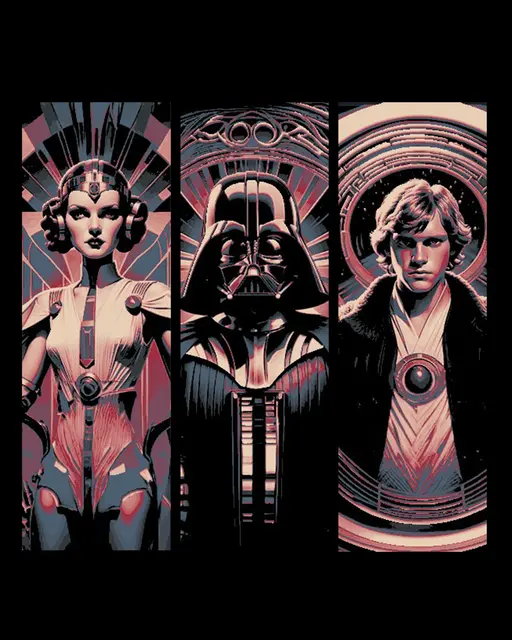
Neo Art Deco Style Portraits of Star Wars Characters Luke, Leia and Darth Vader - Set of bookmarks
by BooneCo3d
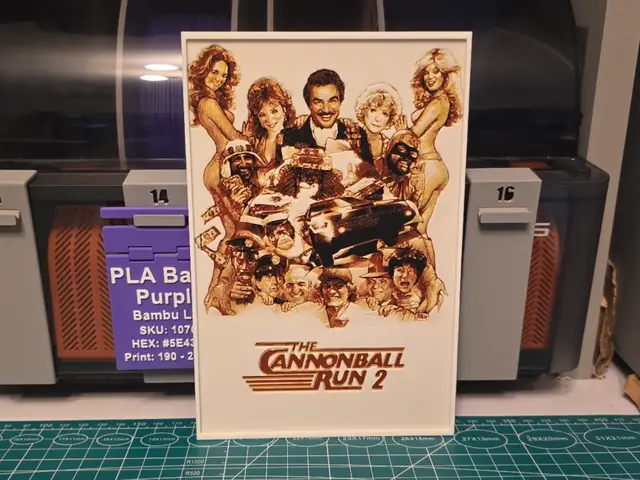
Cannonball Run II Movie Poster - Hueforge Art
by Lumpy3D
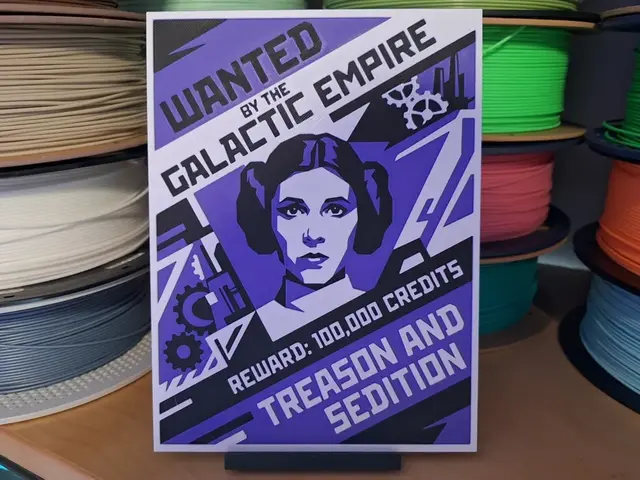
Princess Leia Wanted Poster - Hueforge
by LED
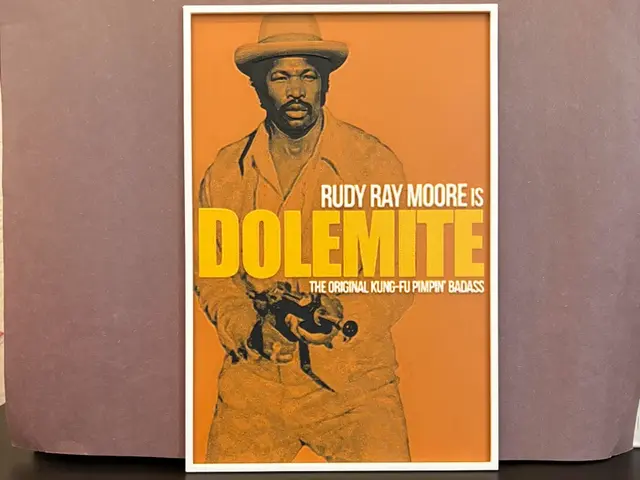
Dolemite Hueforge
by Estiv
Recent Articles
View all
Best 3D Printed Gifts for Everyone on Your List — Made with HueForge
The best 3D printed gifts for everyone on your list, made with HueForge — custom pet and portrait art, ornaments and gift tags, bookmarks, and fandom prints matched to the recipient, plus how to turn gift requests into income.
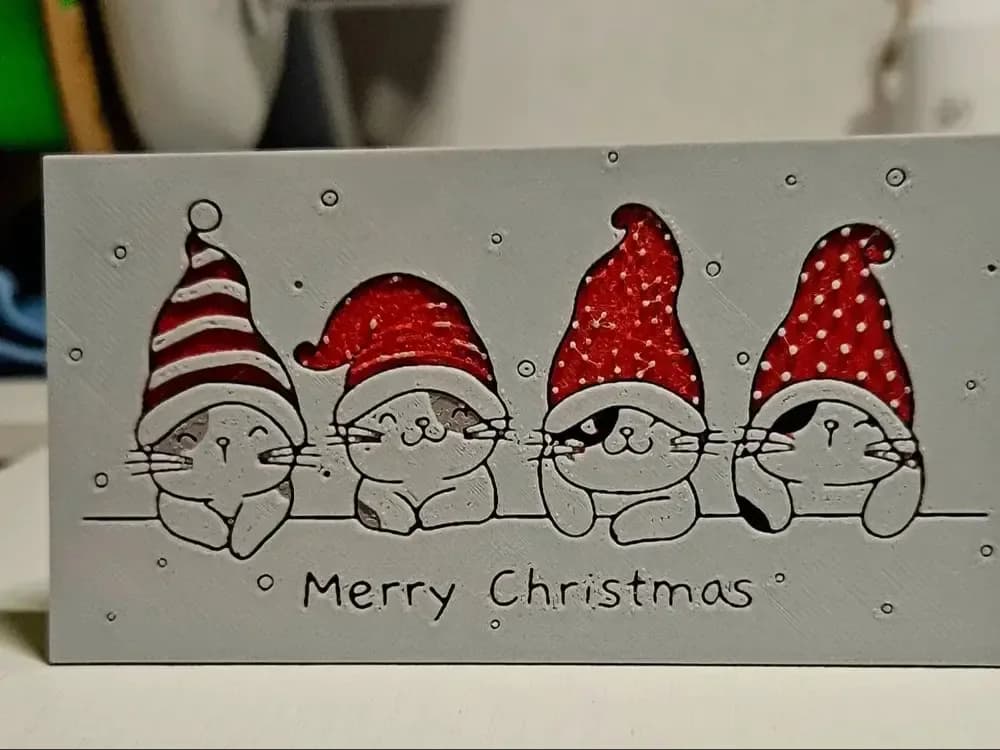
Best Christmas 3D Prints for HueForge: Ornaments, Santa & Holiday Movie Posters
The Christmas 3D prints worth making as HueForge filament paintings — tree ornaments, Santa and snowmen, holiday movie posters, festive fandom crossovers, and gift tags, grouped by theme.
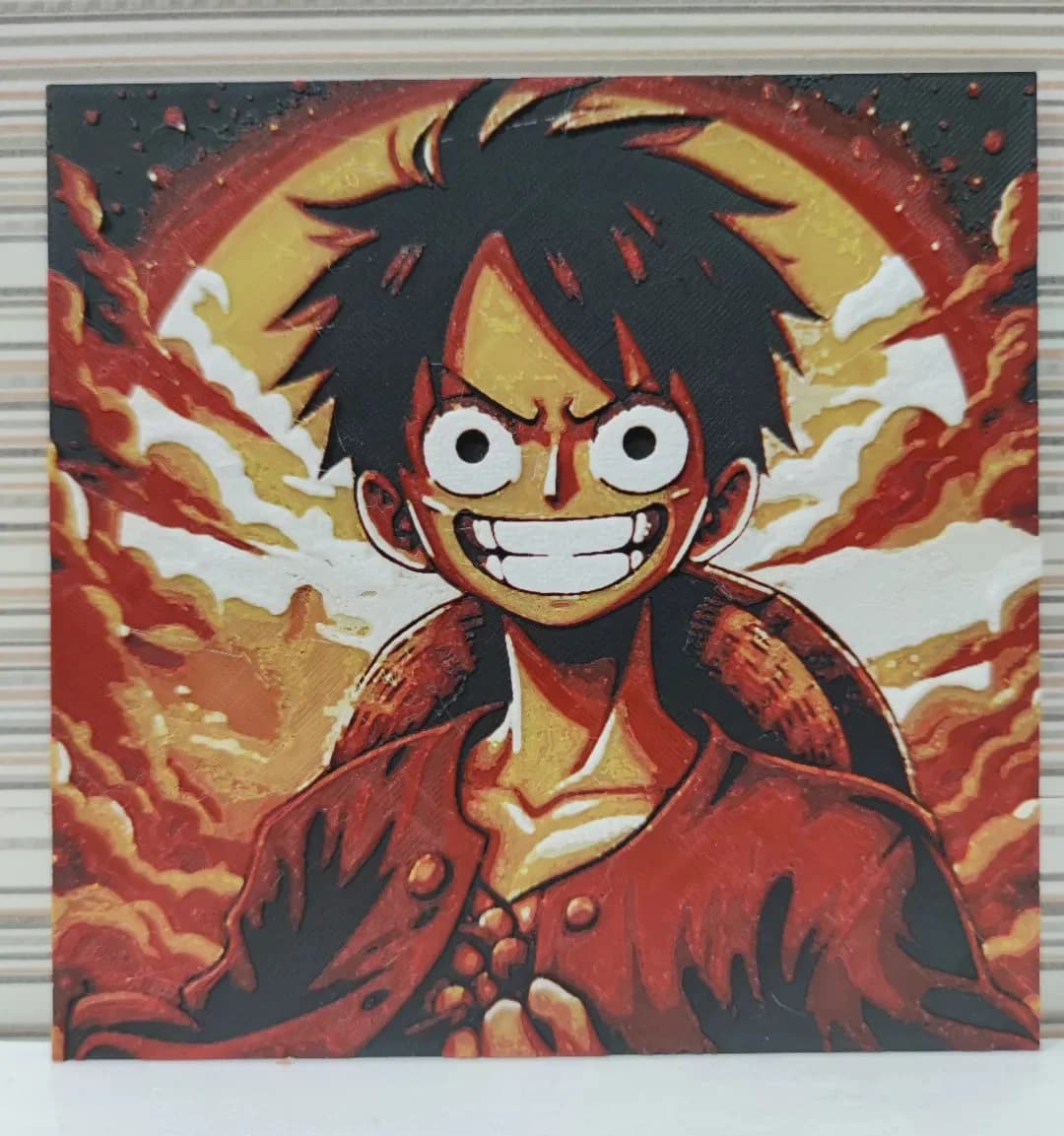
Best Anime 3D Prints for HueForge: From Shōnen Classics to the Modern Wave
The best anime 3D prints to make as HueForge filament paintings — One Piece, Naruto, Dragon Ball, Demon Slayer, Jujutsu Kaisen, Frieren, Gundam, and anime bookmarks, each linked in the HuePick catalog.