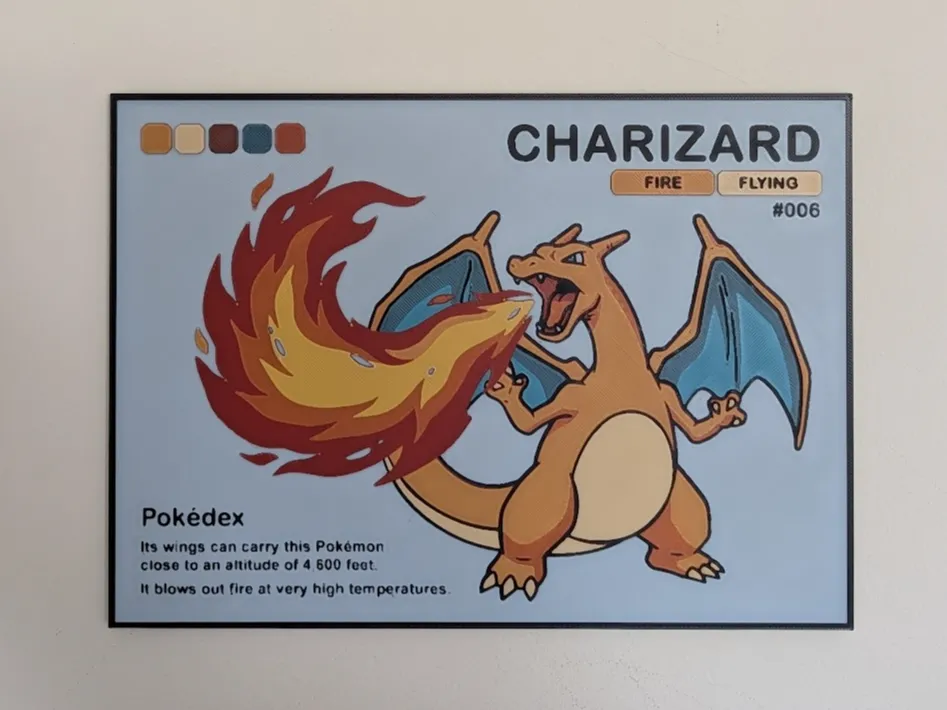
Charizard Hueforge & Frame
by Nextopia
A HueForge print styled as a Pokédex entry card for Charizard (#006). The rectangular print features a light blue background with Charizard rendered in orange, cream, and blue tones, breathing a large red and yellow flame. Text displays its Fire/Flying typing, Pokédex number, and entry text. A color swatch palette is shown in the upper left corner.
View on MakerWorldRequired Filaments6
Bambu Lab Basic Turquoise
Bambu Lab Basic Red
Bambu Lab Basic Pumpkin Orange
Bambu Lab Basic Sunflower Yellow
Bambu Lab Basic Jade White
Bambu Lab Basic Black
Why filament details may vary
Filament details (brand, color, and TD value) may not exactly match the designer's original specification. In some cases, the designer didn't specify exact filaments and we've matched the closest options we could find. Always check the original listing for full details.
Some filament links are affiliate links — we may earn a small commission at no extra cost to you. Learn more
Sign up to track your filament inventory and check your matches.
Create accountYou Might Also Like
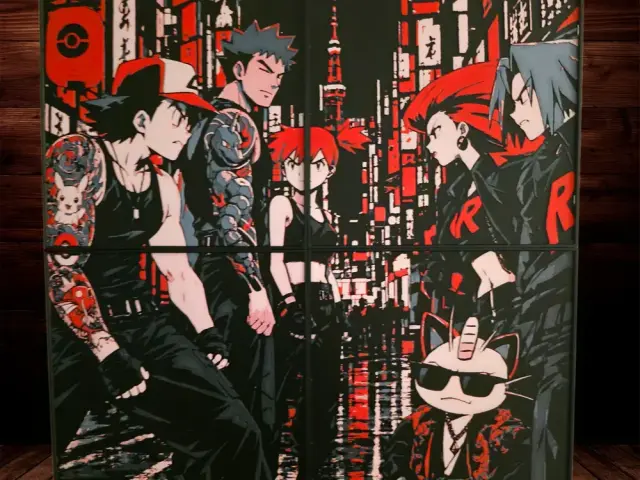
The Kanto Kambu - Pokemon - 500 Followers! 400x400
by Side Quest Hues
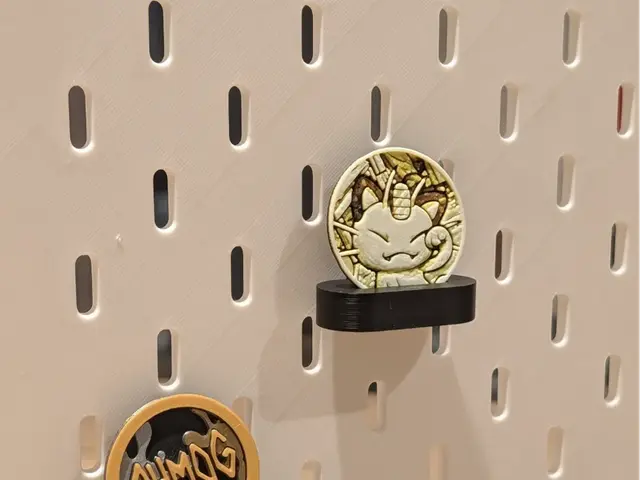
Meowth - Hueforge Shmog
by Nextopia
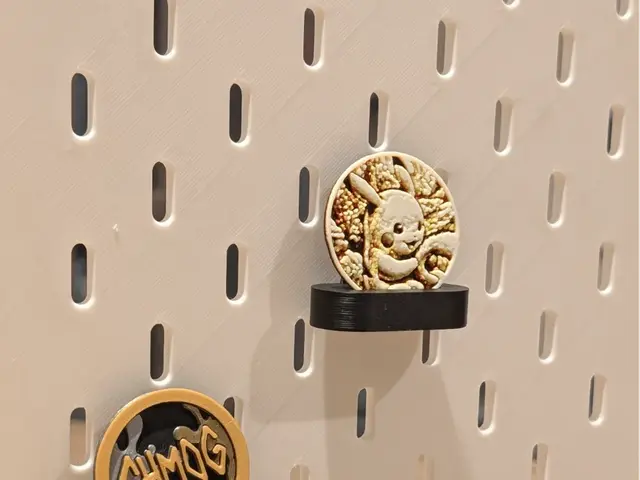
Pikachu - Hueforge Shmog
by Nextopia
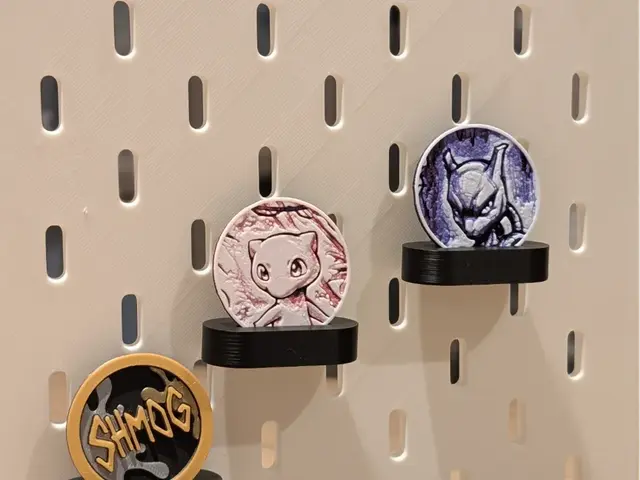
Mew & Mewtwo - Hueforge Shmog
by Nextopia
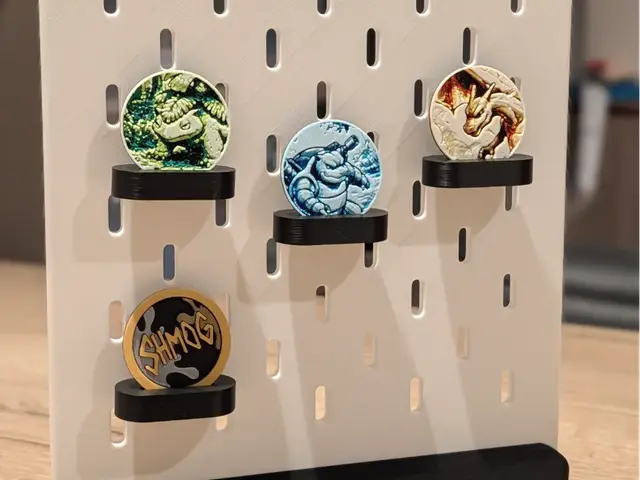
Charizard, Blastoise & Venusaur - Hueforge Shmog
by Nextopia

Jigglypuff and Snorlax - Pokemon Bookmark
by Canadian Gamer
Recent Articles
View all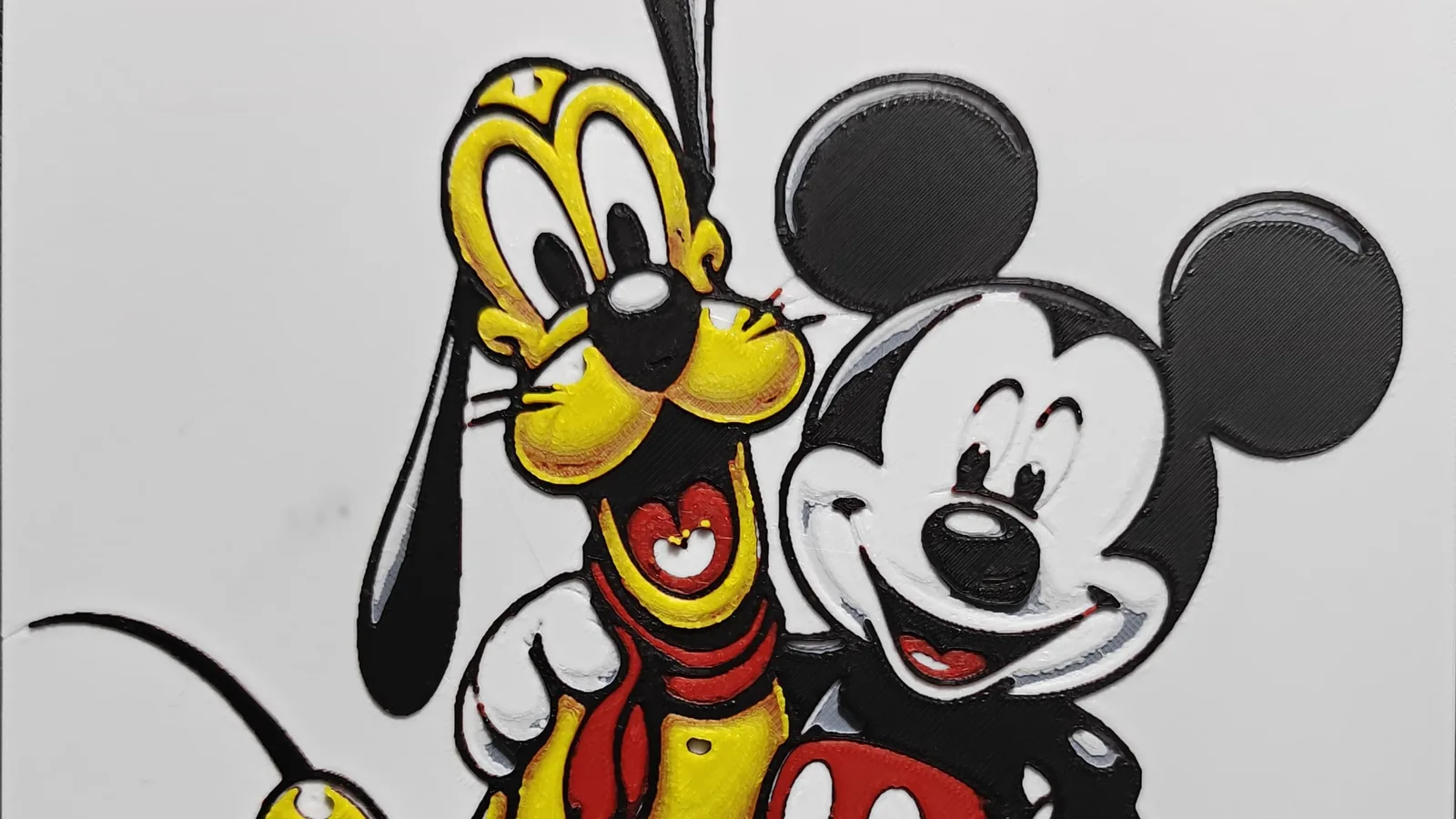
From Stitch to Simba: Disney HueForge Prints Worth Making
The best Disney 3D prints to make as HueForge filament paintings: Stitch, Mickey and the classic crew, Disney princesses, Pixar, and animated classics, each linked in the HuePick catalog.
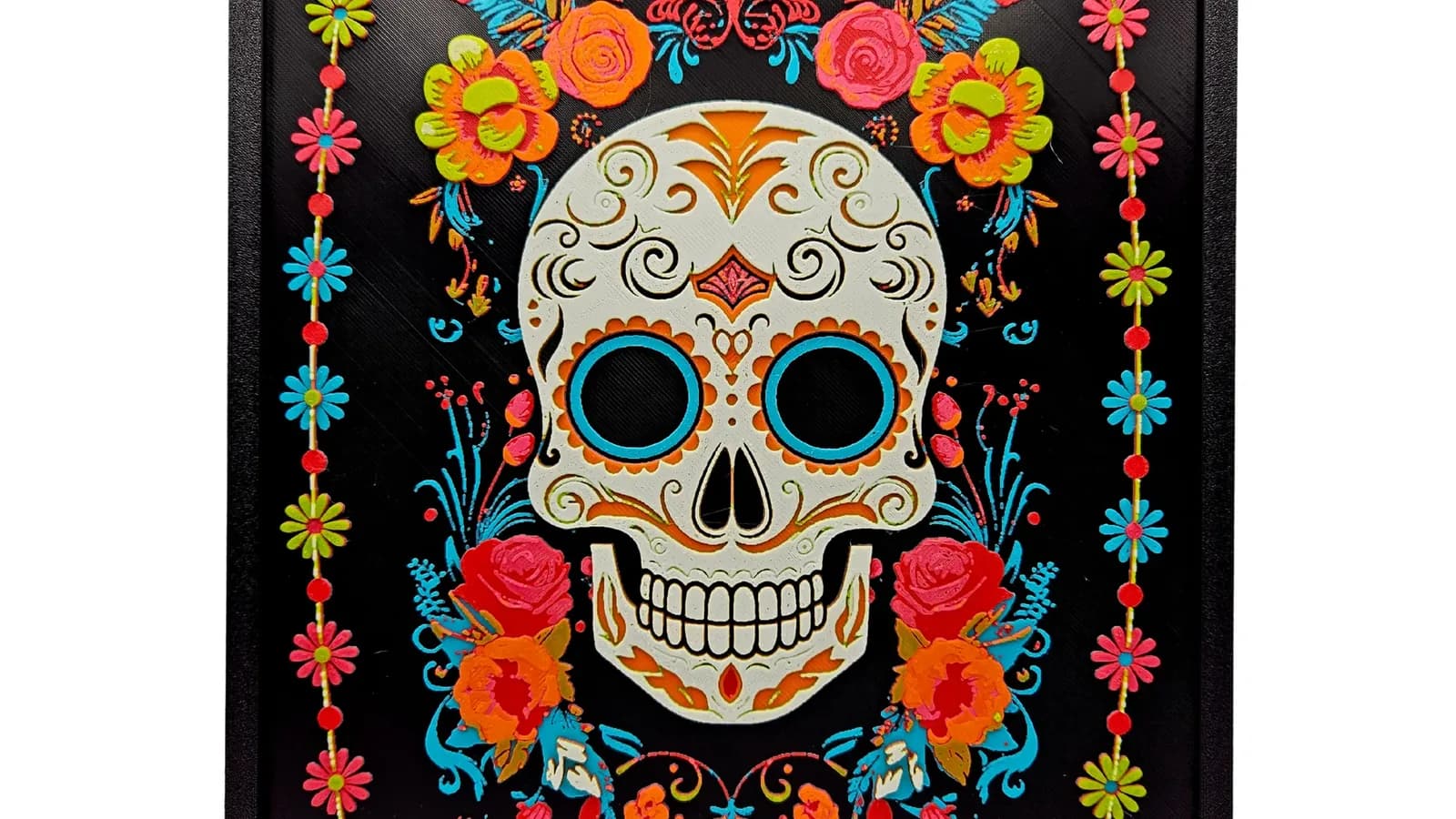
Best Skull 3D Prints for HueForge: From Classic to Sugar Skulls
The best skull 3D prints to make as HueForge filament paintings: classic skulls, sugar skulls and Dia de los Muertos, skull-and-roses tattoo art, and gothic reaper designs, each linked in the HuePick catalog.
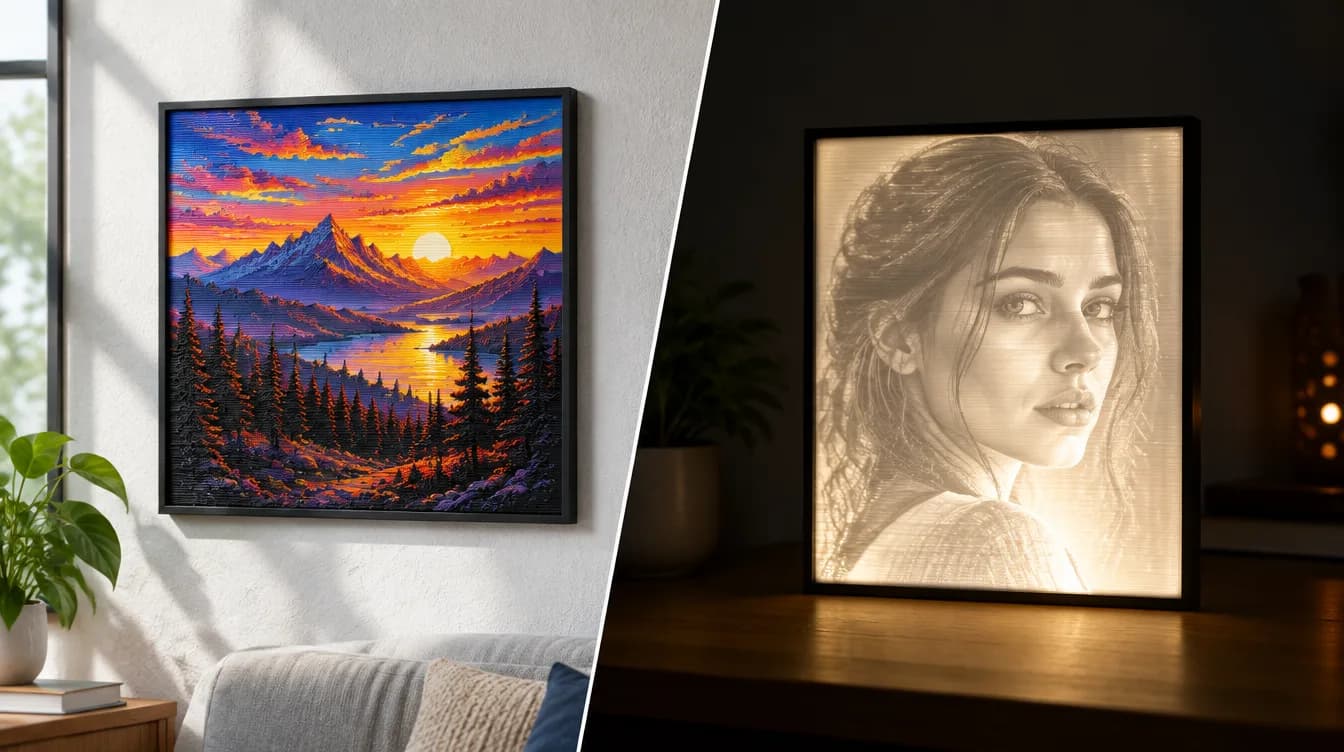
HueForge vs Lithophane: What's the Difference (and Which Should You Print)?
HueForge vs lithophane, explained: how each turns a photo into a print, the real differences in color, lighting, difficulty and cost, and when to choose one over the other.