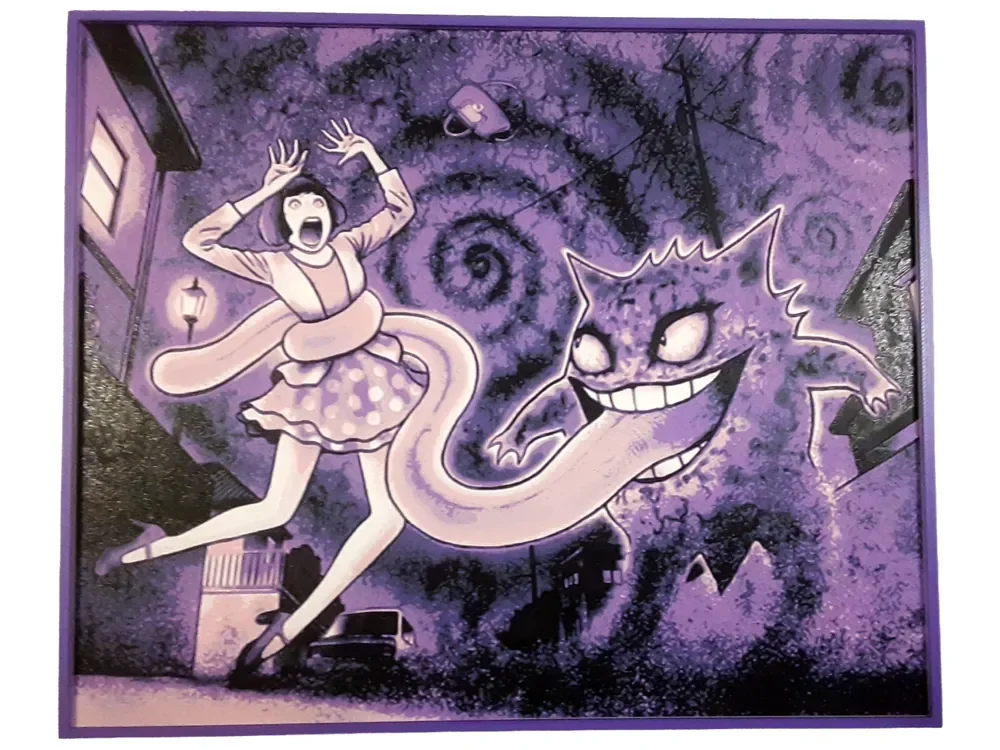
Gengar Hueforge Pokemon Ghost Horror Purple Gastly
Mischievous Gengar emerges from swirling purple shadows, its signature grin gleaming with ghostly delight as a startled figure recoils in terror. Elsie Night's haunting composition bathes the scene in rich lavender and deep violet hues, with dramatic black silhouettes creating an atmospheric nightmare. The Pokemon's serpentine form winds through the turbulent background, while architectural elements hint at an urban setting consumed by supernatural chaos.
View on MakerWorldRequired Filaments5
Why filament details may vary
Filament details (brand, color, and TD value) may not exactly match the designer's original specification. In some cases, the designer didn't specify exact filaments and we've matched the closest options we could find. Always check the original listing for full details.
Some filament links are affiliate links — we may earn a small commission at no extra cost to you. Learn more
Sign up to track your filament inventory and check your matches.
Create accountYou Might Also Like
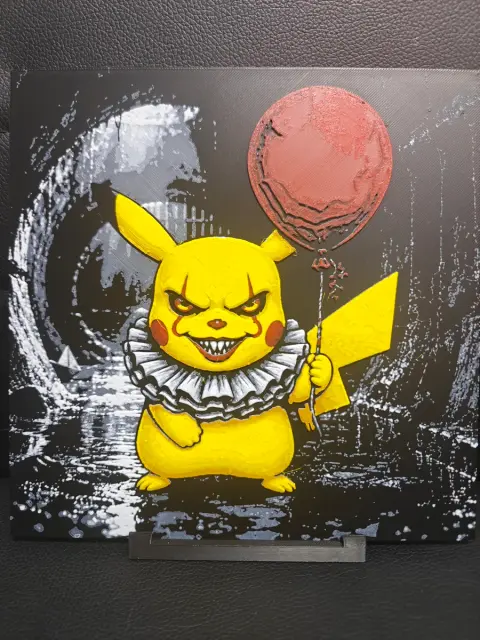
Pikachu IT
by TheHueforgeLady
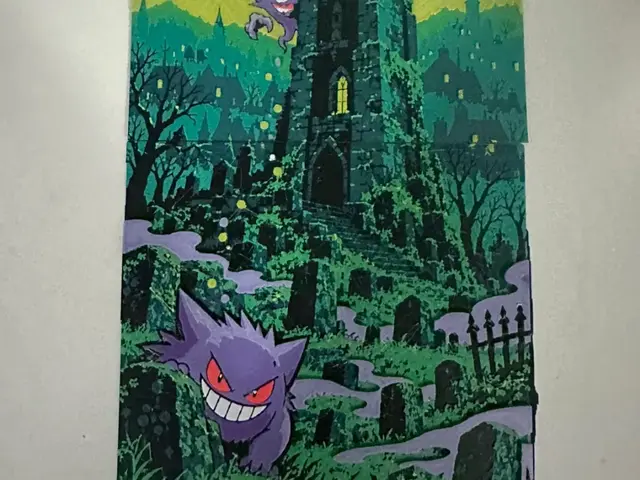
Gengar, haunter and Gastly Hueforge
by TowerLayers
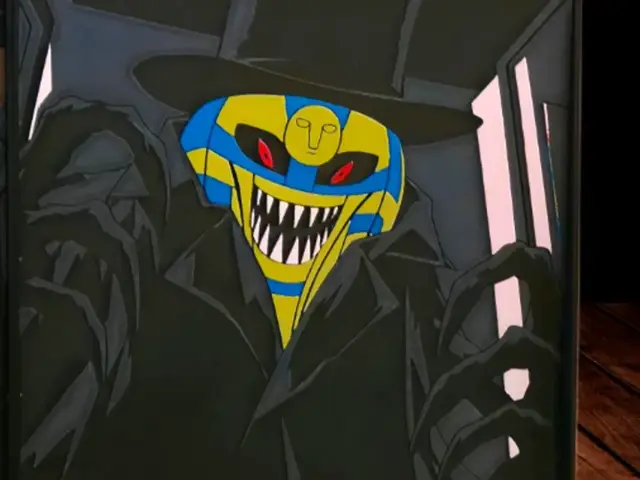
The CofaDook - HallowKémon Series - 8/9
by Side Quest Hues
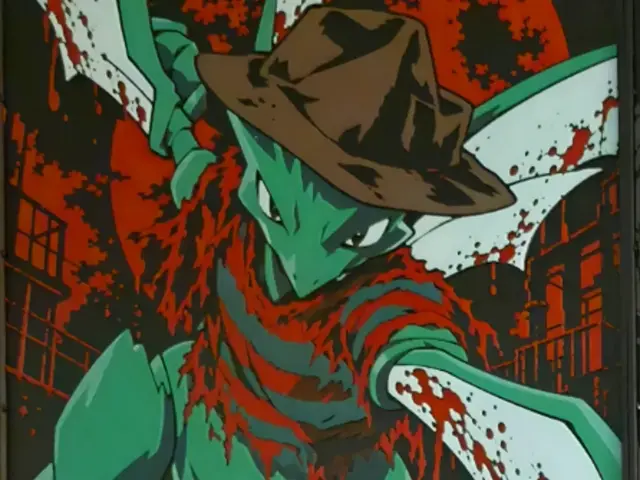
One Two Scyther's coming for you -Hallowkémon pt 9
by Side Quest Hues
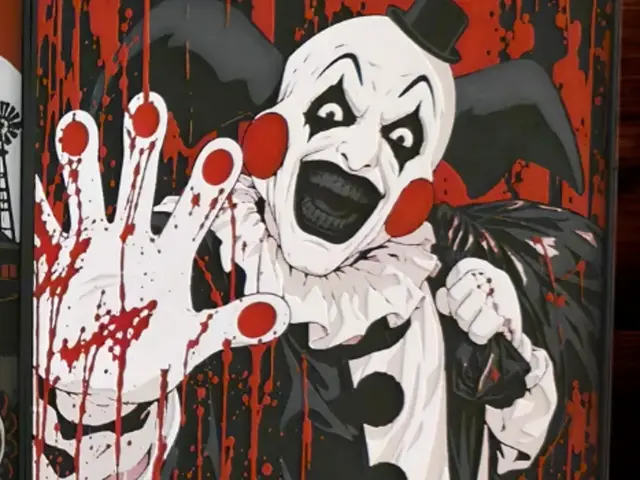
Mr. Art - Hallowkémon Series 1/9 - 5 Colours
by Side Quest Hues
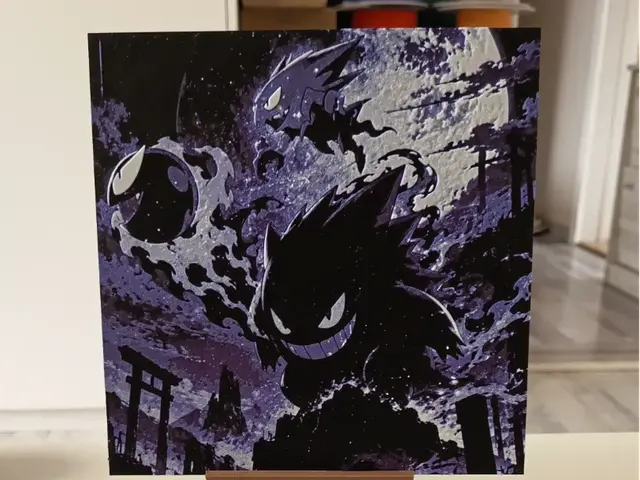
Pokemon Gengar Hueforge
by 3DNesy
Recent Articles
View all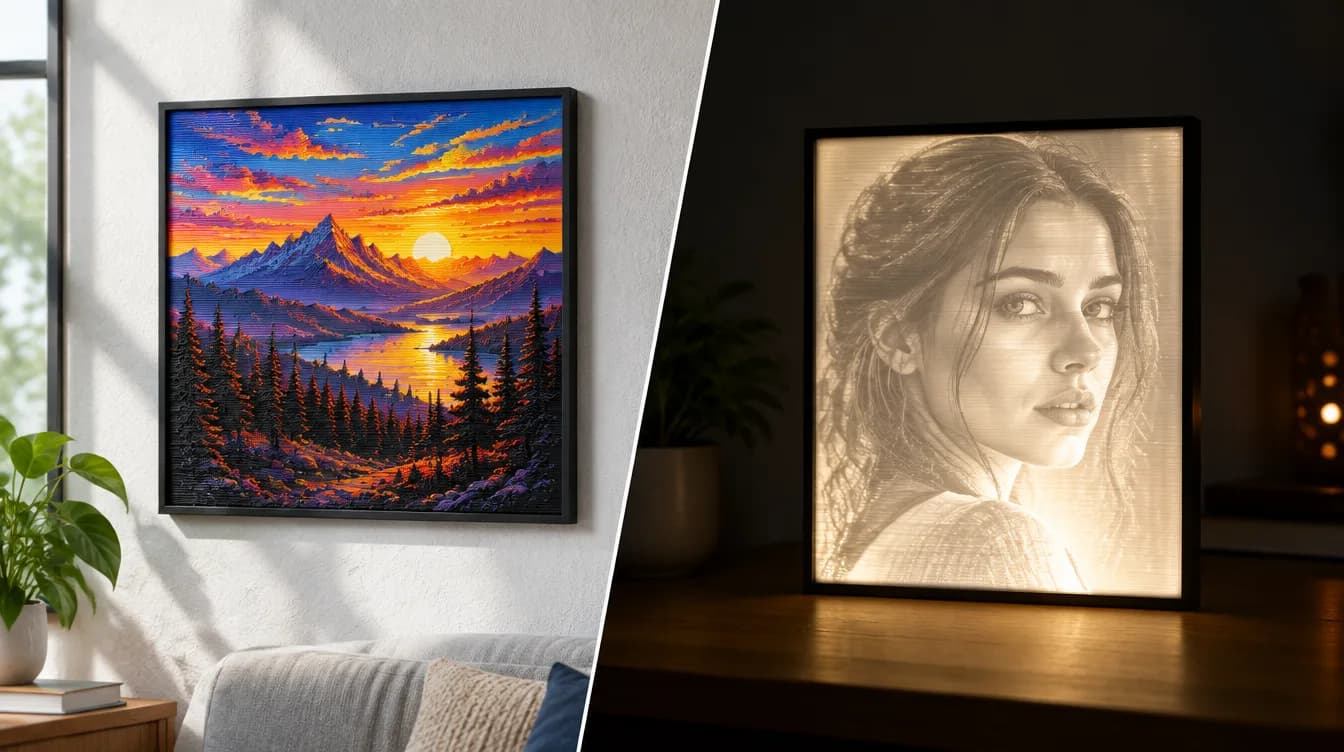
HueForge vs Lithophane: What's the Difference (and Which Should You Print)?
HueForge vs lithophane, explained: how each turns a photo into a print, the real differences in color, lighting, difficulty and cost, and when to choose one over the other.
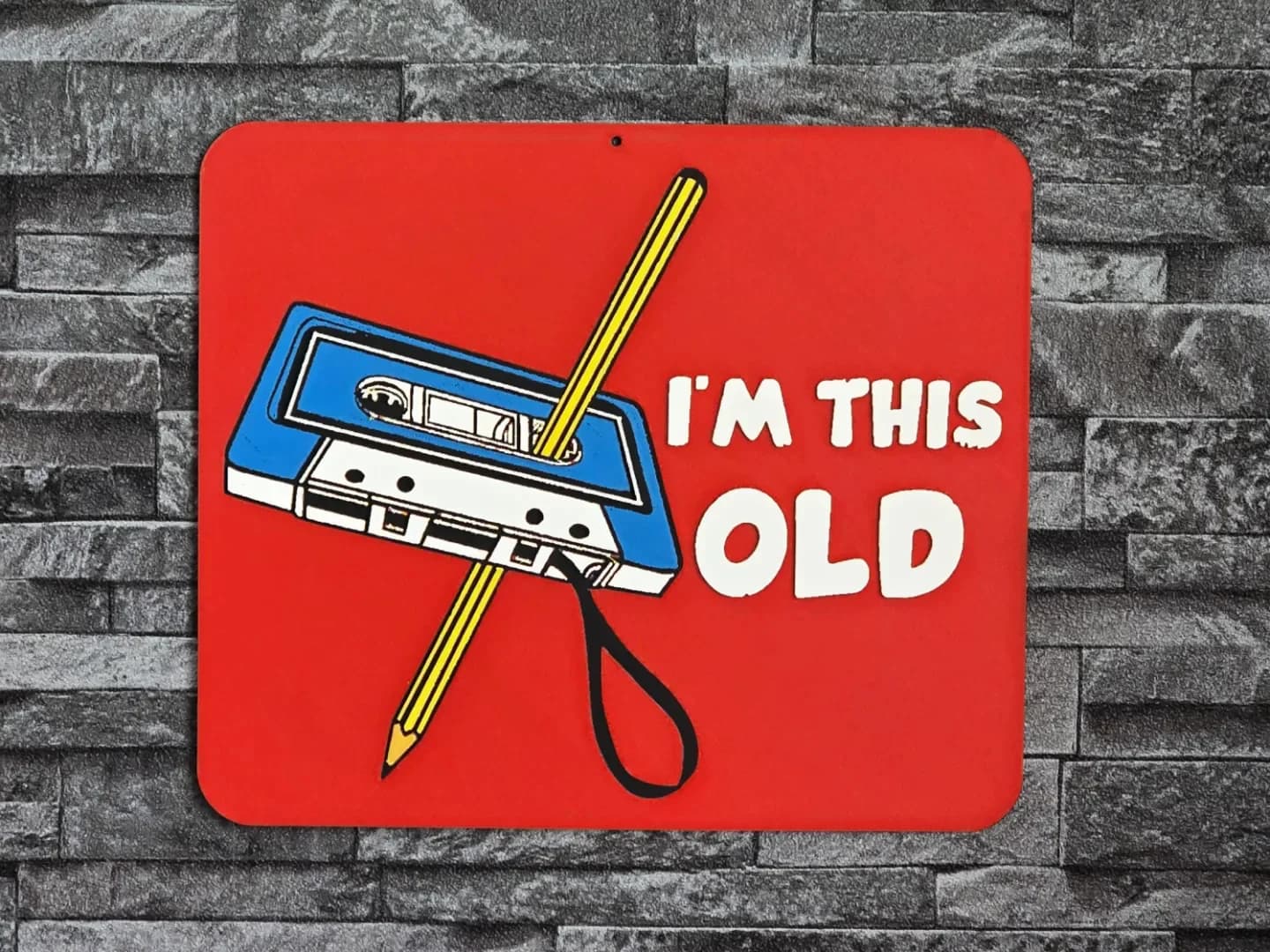
Best 3D Printed Gifts for Everyone on Your List — Made with HueForge
The best 3D printed gifts for everyone on your list, made with HueForge — custom pet and portrait art, ornaments and gift tags, bookmarks, and fandom prints matched to the recipient, plus how to turn gift requests into income.
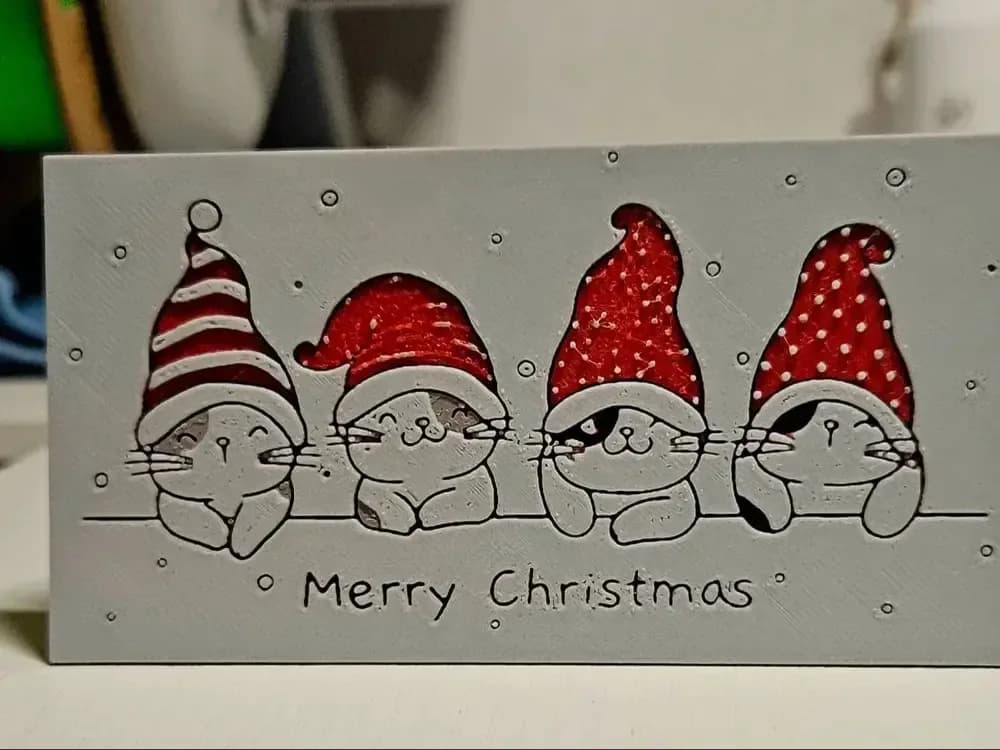
Best Christmas 3D Prints for HueForge: Ornaments, Santa & Holiday Movie Posters
The Christmas 3D prints worth making as HueForge filament paintings — tree ornaments, Santa and snowmen, holiday movie posters, festive fandom crossovers, and gift tags, grouped by theme.