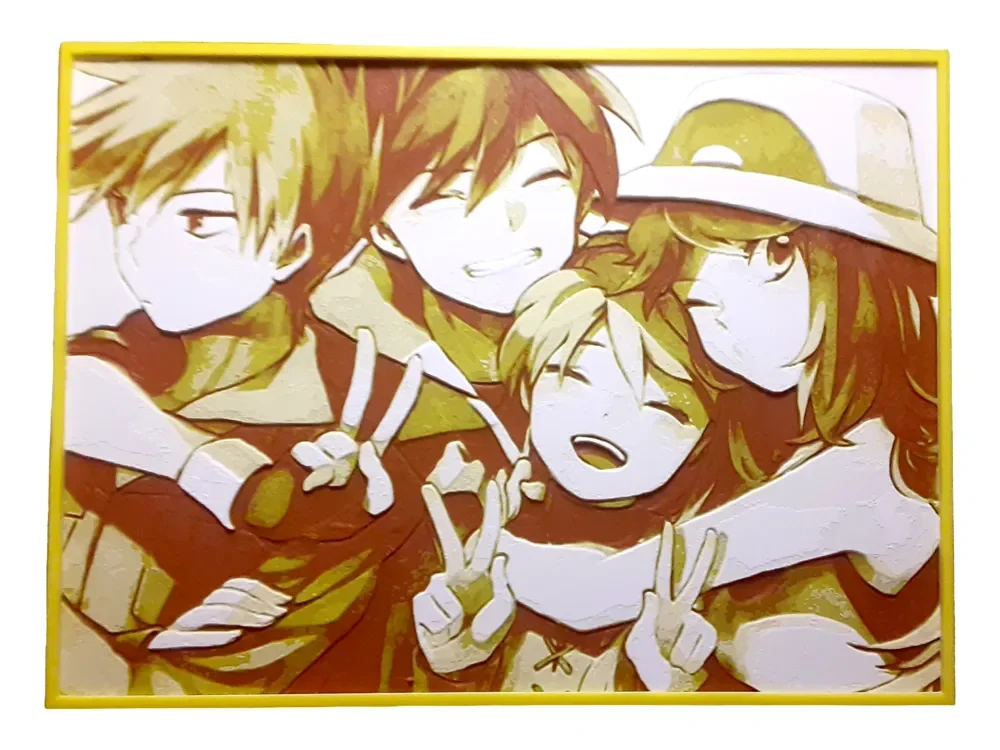
Pokemon Adventures Hueforge Yellow Trainers Manga
Four beloved trainers from the Pokemon Adventures manga embrace in this heartwarming group portrait, their faces glowing with joy and camaraderie. Warm golden yellows and rich amber tones dominate the composition, creating a nostalgic, sepia-toned aesthetic that perfectly captures the adventurous spirit of the series. Designer Elsie Night's interpretation showcases the close bonds between these iconic characters through intimate positioning and gentle expressions.
View on MakerWorldRequired Filaments4
Why filament details may vary
Filament details (brand, color, and TD value) may not exactly match the designer's original specification. In some cases, the designer didn't specify exact filaments and we've matched the closest options we could find. Always check the original listing for full details.
Some filament links are affiliate links — we may earn a small commission at no extra cost to you. Learn more
Sign up to track your filament inventory and check your matches.
Create accountYou Might Also Like
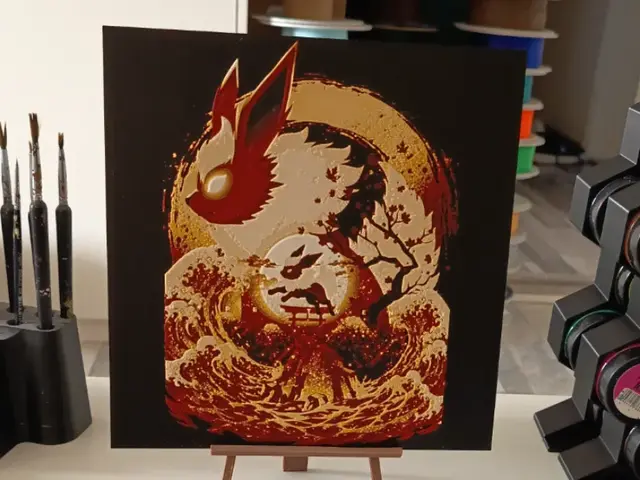
Pokemon Flareon Hueforge
by 3DNesy
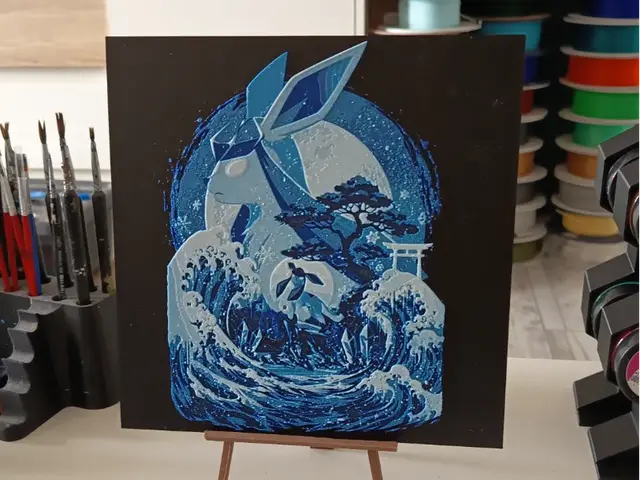
Pokemon Glaceon Hueforge
by 3DNesy
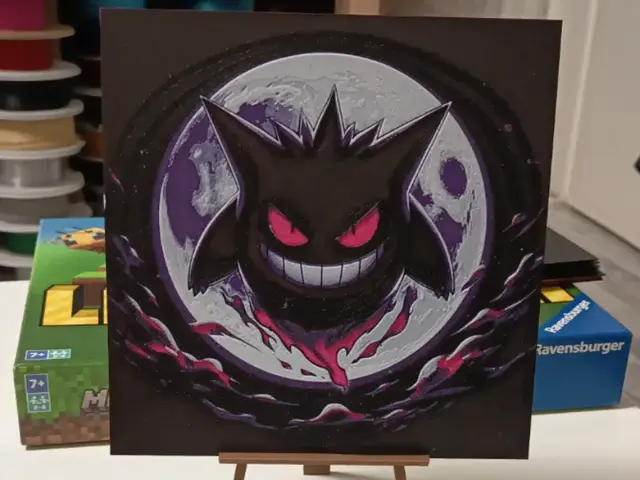
Pokemon Gengar Hueforge
by 3DNesy
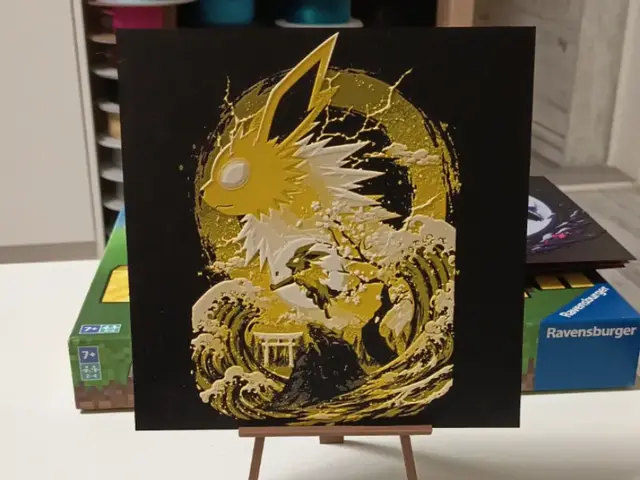
Pokemon Jolteon Hueforge
by 3DNesy
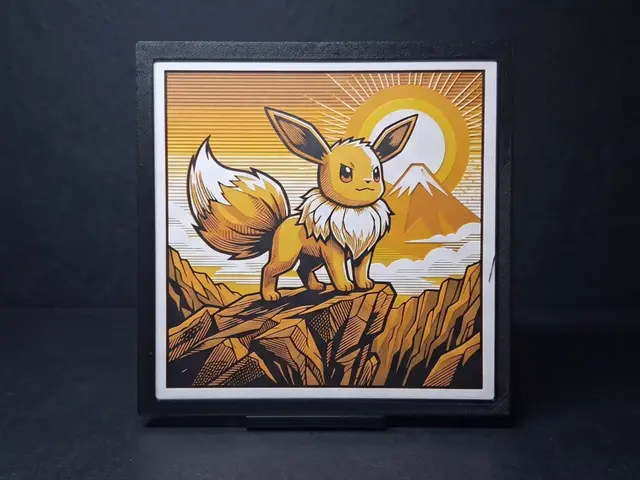
Eevee Sunrise - 4 Colours
by LED
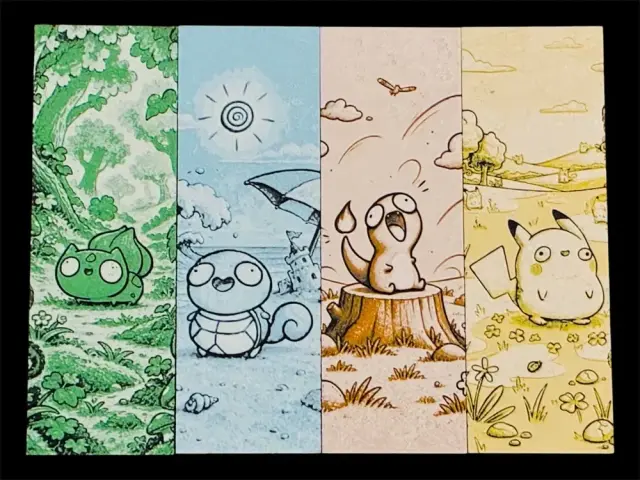
Derpy Pokémon Bookmark Collection
by The SkyLab 3D
Recent Articles
View all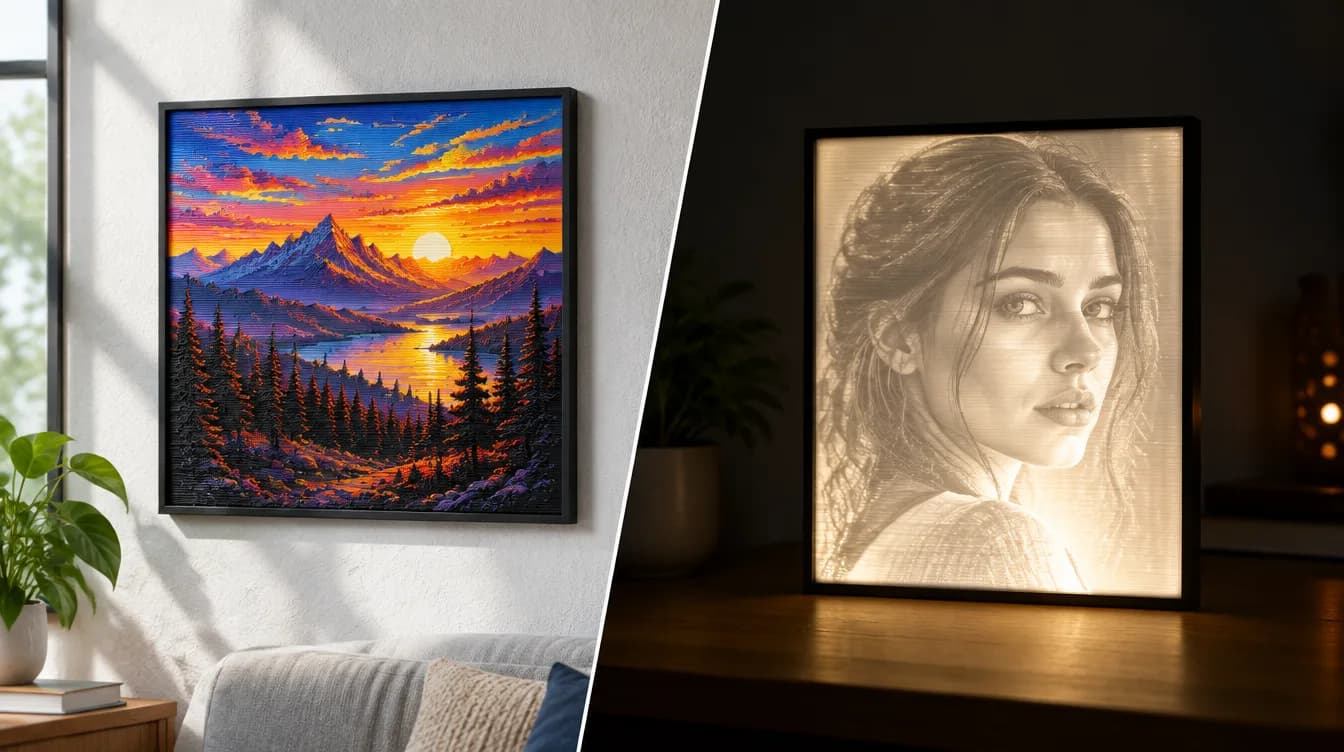
HueForge vs Lithophane: What's the Difference (and Which Should You Print)?
HueForge vs lithophane, explained: how each turns a photo into a print, the real differences in color, lighting, difficulty and cost, and when to choose one over the other.
Best 3D Printed Gifts for Everyone on Your List — Made with HueForge
The best 3D printed gifts for everyone on your list, made with HueForge — custom pet and portrait art, ornaments and gift tags, bookmarks, and fandom prints matched to the recipient, plus how to turn gift requests into income.
Best Christmas 3D Prints for HueForge: Ornaments, Santa & Holiday Movie Posters
The Christmas 3D prints worth making as HueForge filament paintings — tree ornaments, Santa and snowmen, holiday movie posters, festive fandom crossovers, and gift tags, grouped by theme.