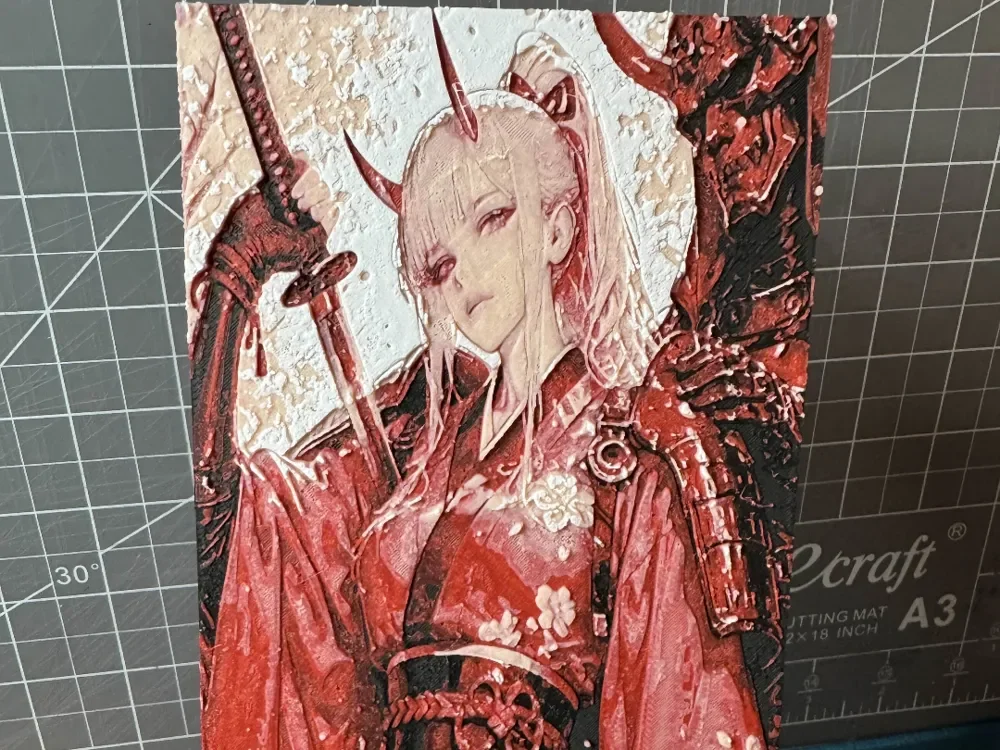
4x8 Hueforge of samurai Zero Two
Crimson shadows and cherry blossoms frame Zero Two's enigmatic smile in this striking 4x8 HueForge interpretation. The beloved samurai-inspired character emerges through layers of deep reds and coral tones, her horns and traditional armor details rendered with remarkable depth. SBC Creations masterfully balances the fierce warrior aesthetic with delicate floral motifs, creating a composition where ancient Japanese artistry meets modern anime sophistication in vivid, dimensional color.
View on MakerWorldRequired Filaments4
Why filament details may vary
Filament details (brand, color, and TD value) may not exactly match the designer's original specification. In some cases, the designer didn't specify exact filaments and we've matched the closest options we could find. Always check the original listing for full details.
Some filament links are affiliate links — we may earn a small commission at no extra cost to you. Learn more
Sign up to track your filament inventory and check your matches.
Create accountYou Might Also Like
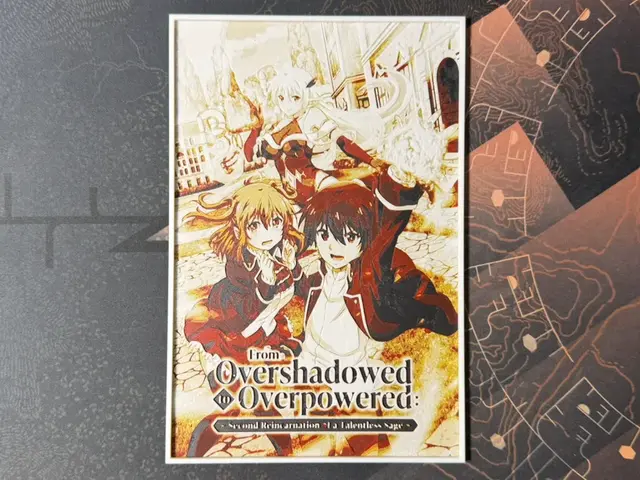
From Overshadowed to Overpowered - HueForge
by ZorPrime7
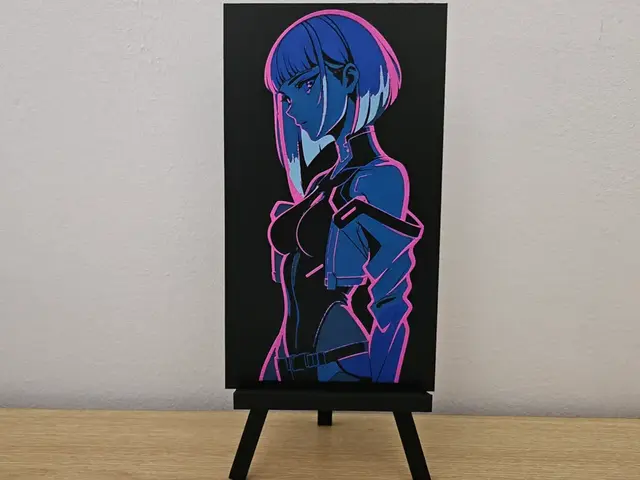
"Lucy" Kushinada Cyberpunk Edgerunners Hueforge
by Opao
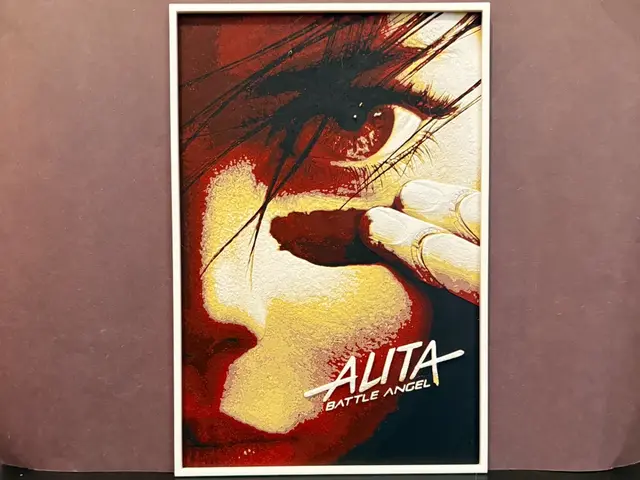
Alita Battle Angel Close Hueforge
by Estiv
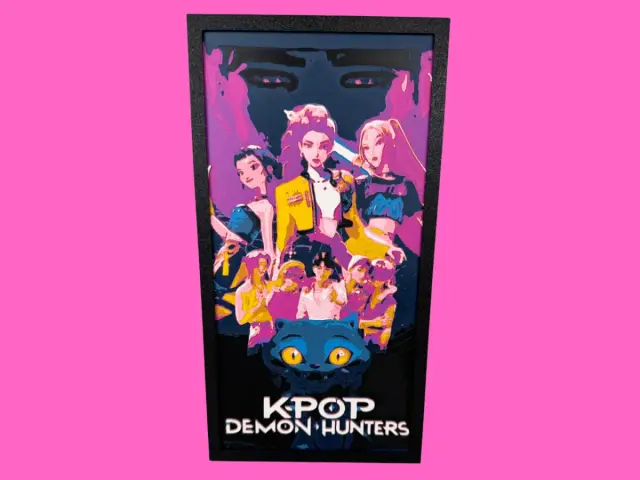
KPOP Demon Hunters with Saja Boys
by Canadian Gamer
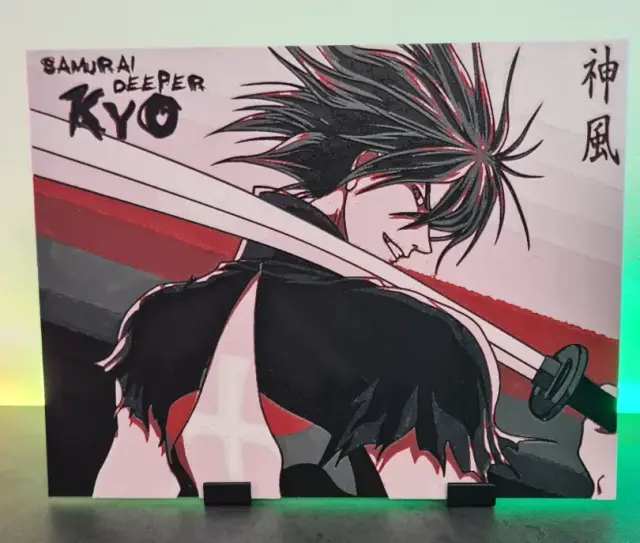
Samurai Deeper Kyo Red - Hueforge 200x155
by Montoya Maker
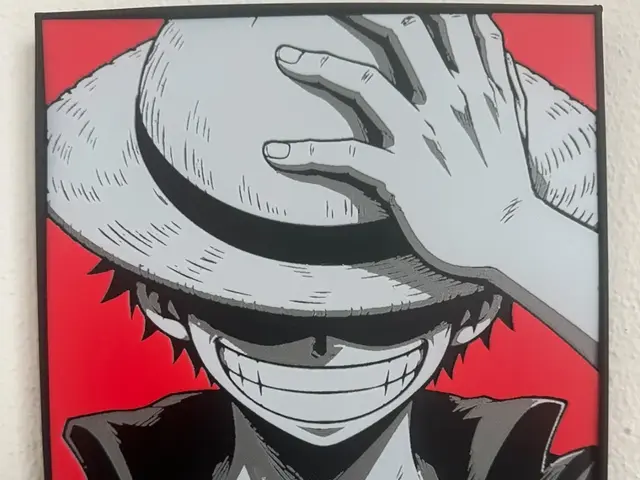
Luffy red collection
by TowerLayers
Recent Articles
View all
Best 3D Printed Gifts for Everyone on Your List — Made with HueForge
The best 3D printed gifts for everyone on your list, made with HueForge — custom pet and portrait art, ornaments and gift tags, bookmarks, and fandom prints matched to the recipient, plus how to turn gift requests into income.
Best Christmas 3D Prints for HueForge: Ornaments, Santa & Holiday Movie Posters
The Christmas 3D prints worth making as HueForge filament paintings — tree ornaments, Santa and snowmen, holiday movie posters, festive fandom crossovers, and gift tags, grouped by theme.
Best Anime 3D Prints for HueForge: From Shōnen Classics to the Modern Wave
The best anime 3D prints to make as HueForge filament paintings — One Piece, Naruto, Dragon Ball, Demon Slayer, Jujutsu Kaisen, Frieren, Gundam, and anime bookmarks, each linked in the HuePick catalog.