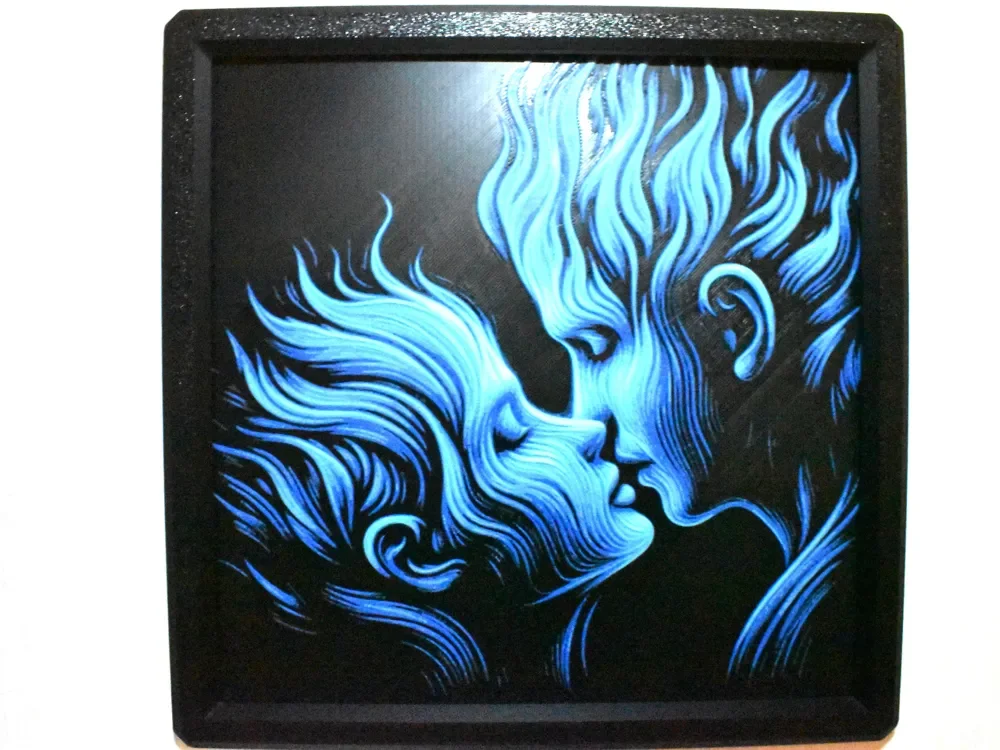
Blue lovers Hueforge
by Chris B
Two ethereal figures emerge from flowing flames of brilliant blue, their faces drawing together in an intimate moment of connection. The lovers' hair and forms blend seamlessly into swirling, wind-like tendrils that dance across the dark background. Chris B's design captures pure emotion through graceful linework, with luminous cyan and azure tones creating a dreamlike quality that transforms the passionate embrace into something both otherworldly and deeply romantic.
View on MakerWorldRequired Filaments4
Bambu Lab Basic Black
Bambu Lab Basic Blue
Bambu Lab Matte Ice Blue
Bambu Lab Basic Jade White
Why filament details may vary
Filament details (brand, color, and TD value) may not exactly match the designer's original specification. In some cases, the designer didn't specify exact filaments and we've matched the closest options we could find. Always check the original listing for full details.
Some filament links are affiliate links — we may earn a small commission at no extra cost to you. Learn more
Sign up to track your filament inventory and check your matches.
Create accountYou Might Also Like
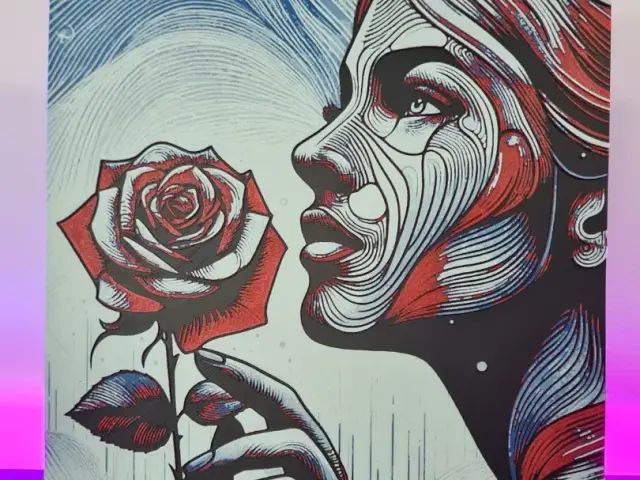
Girl and Rose - Hueforge 200x200
by Montoya Maker
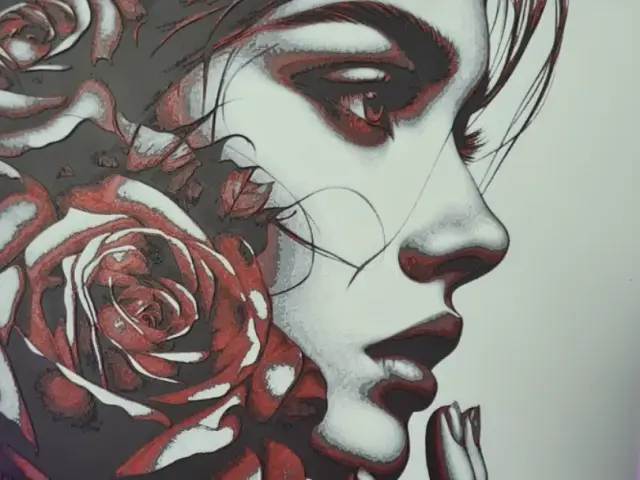
Girl and Rose 2 - Hueforge 200x200
by Montoya Maker
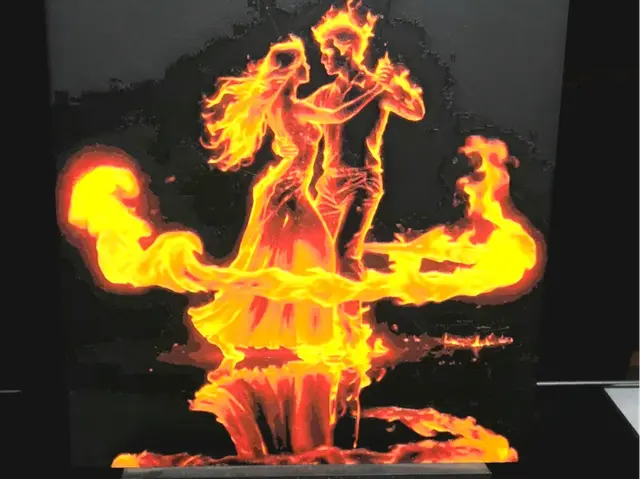
Love dancing fire HueForge
by enricoRE
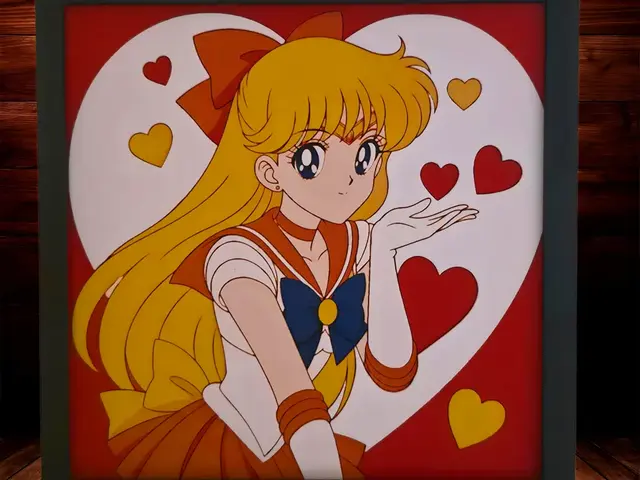
Minako Aino Aka "Sailor Venus" - Sailor Moon
by Side Quest Hues
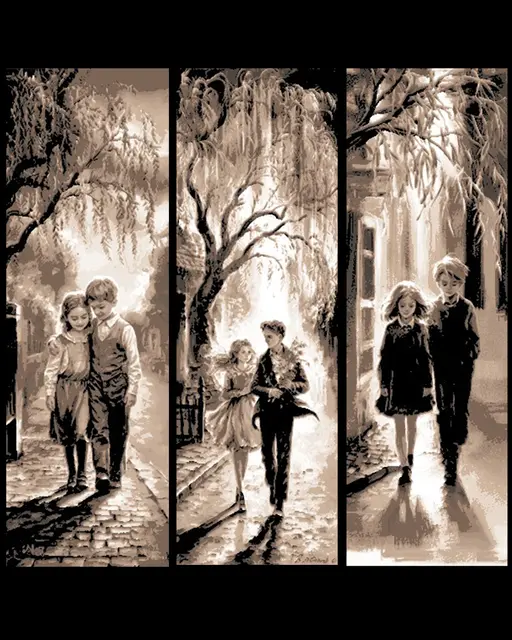
A walk through time -sweethearts from the beginning - Set of bookmarks
by BooneCo3d
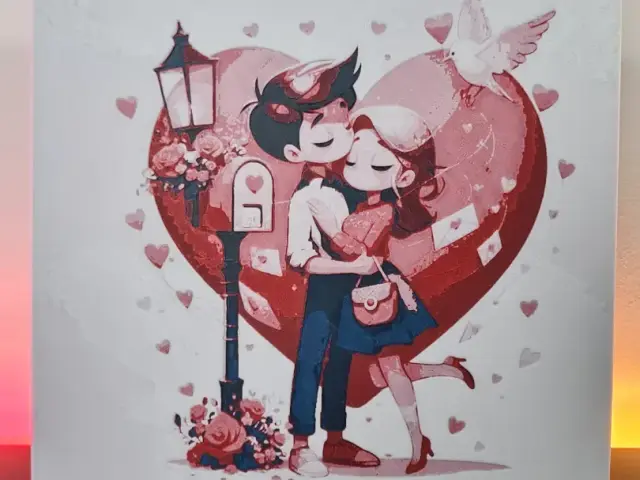
Saint Valentin Duo - Hueforge 200x200
by Montoya Maker
Recent Articles
View all
Best 3D Printed Gifts for Everyone on Your List — Made with HueForge
The best 3D printed gifts for everyone on your list, made with HueForge — custom pet and portrait art, ornaments and gift tags, bookmarks, and fandom prints matched to the recipient, plus how to turn gift requests into income.
Best Christmas 3D Prints for HueForge: Ornaments, Santa & Holiday Movie Posters
The Christmas 3D prints worth making as HueForge filament paintings — tree ornaments, Santa and snowmen, holiday movie posters, festive fandom crossovers, and gift tags, grouped by theme.
Best Anime 3D Prints for HueForge: From Shōnen Classics to the Modern Wave
The best anime 3D prints to make as HueForge filament paintings — One Piece, Naruto, Dragon Ball, Demon Slayer, Jujutsu Kaisen, Frieren, Gundam, and anime bookmarks, each linked in the HuePick catalog.