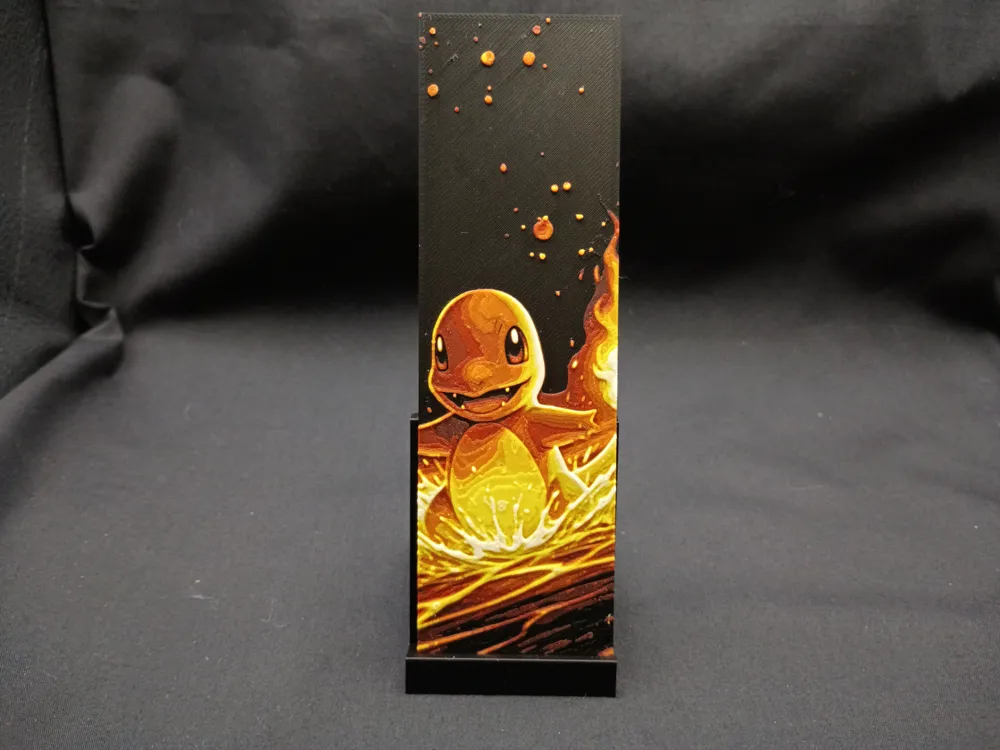
Charmander - Bookmark
by 3djd
Fiery embers dance through the darkness as Charmander emerges from a world of molten gold and amber flames. The beloved Fire-type Pokémon's cheerful expression contrasts beautifully with the dramatic inferno surrounding him, rendered in rich oranges and yellows that seem to glow against the deep charcoal background. This striking bookmark captures the essence of elemental fire in vertical format, with floating sparks creating magical depth throughout the composition.
View on MakerWorldRequired Filaments5
Bambu Lab Basic Black
Bambu Lab Basic Red
Bambu Lab Basic Orange
Bambu Lab Basic Yellow
Bambu Lab Basic Jade White
Why filament details may vary
Filament details (brand, color, and TD value) may not exactly match the designer's original specification. In some cases, the designer didn't specify exact filaments and we've matched the closest options we could find. Always check the original listing for full details.
Some filament links are affiliate links — we may earn a small commission at no extra cost to you. Learn more
Sign up to track your filament inventory and check your matches.
Create accountYou Might Also Like
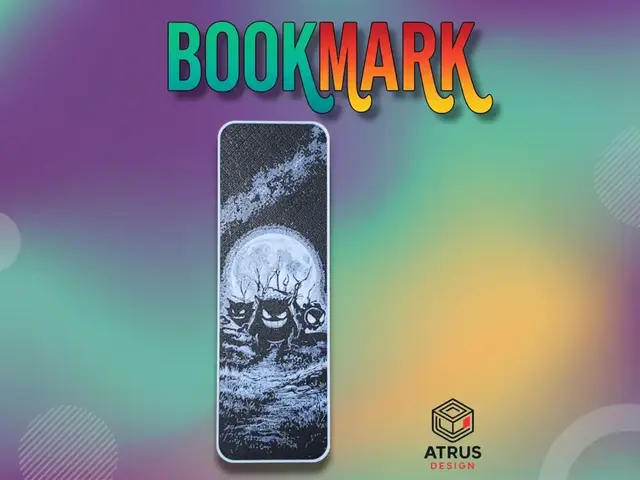
Gengar Bookmark
by Atrus Design
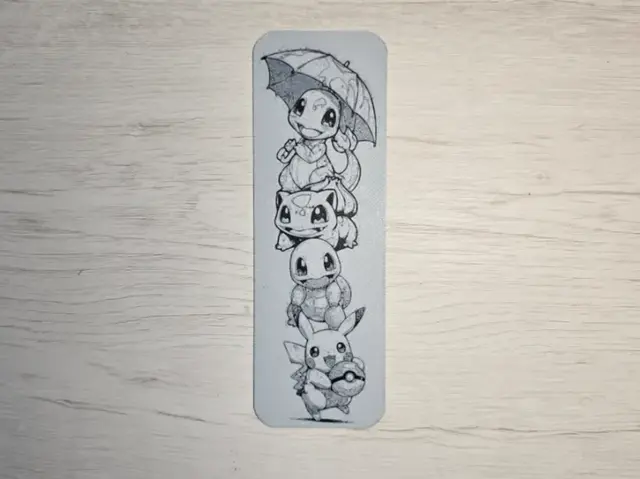
Pokemon Bookmark
by Atrus Design
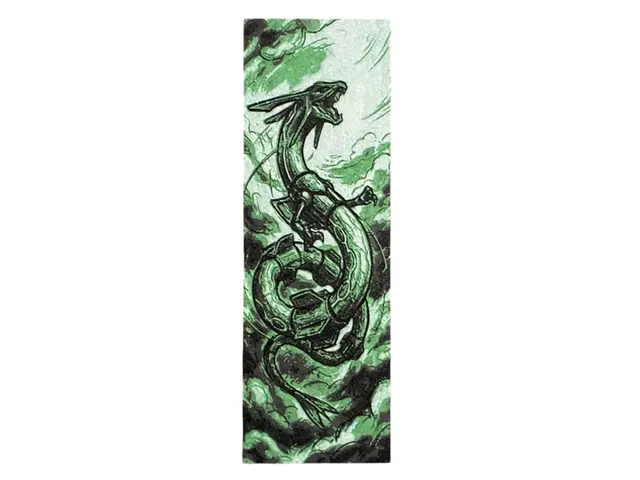
Rayquaza Pokemon Bookmark
by The SkyLab 3D
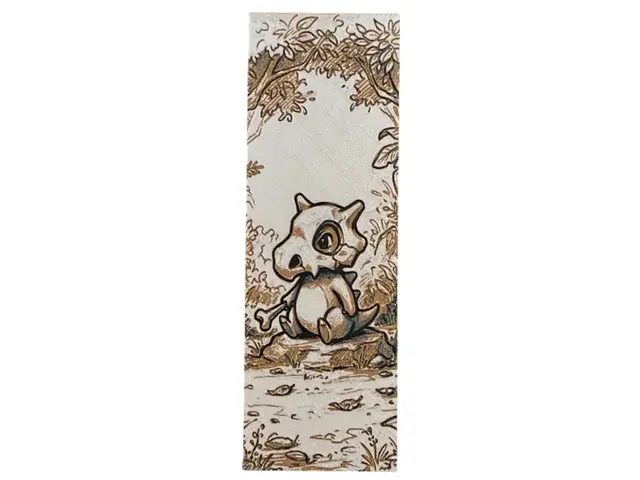
Cubone Pokemon Bookmark
by The SkyLab 3D
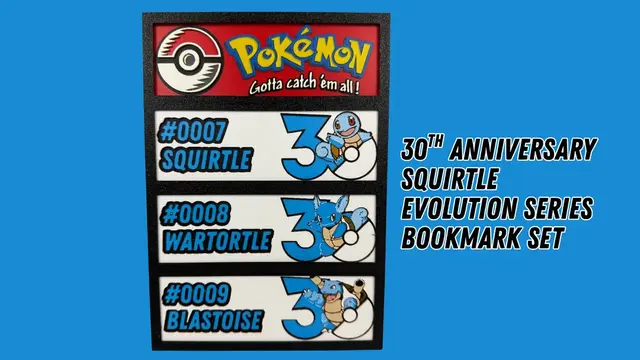
Squirtle Evolution Series - Pokemon 30th Anniversary - Bookmark Set
by Canadian Gamer
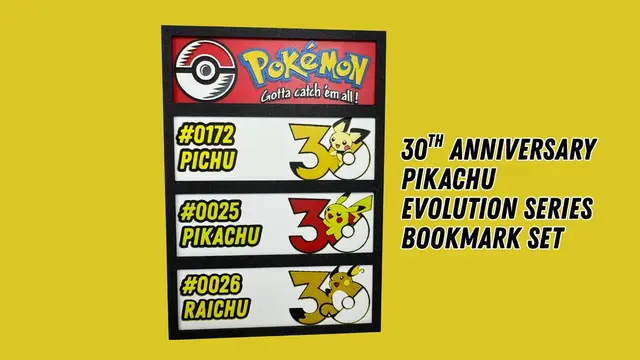
Pikachu Evolution Series - Pokemon 30th Anniversary - Bookmark Set
by Canadian Gamer
Recent Articles
View all
Best 3D Printed Gifts for Everyone on Your List — Made with HueForge
The best 3D printed gifts for everyone on your list, made with HueForge — custom pet and portrait art, ornaments and gift tags, bookmarks, and fandom prints matched to the recipient, plus how to turn gift requests into income.
Best Christmas 3D Prints for HueForge: Ornaments, Santa & Holiday Movie Posters
The Christmas 3D prints worth making as HueForge filament paintings — tree ornaments, Santa and snowmen, holiday movie posters, festive fandom crossovers, and gift tags, grouped by theme.
Best Anime 3D Prints for HueForge: From Shōnen Classics to the Modern Wave
The best anime 3D prints to make as HueForge filament paintings — One Piece, Naruto, Dragon Ball, Demon Slayer, Jujutsu Kaisen, Frieren, Gundam, and anime bookmarks, each linked in the HuePick catalog.