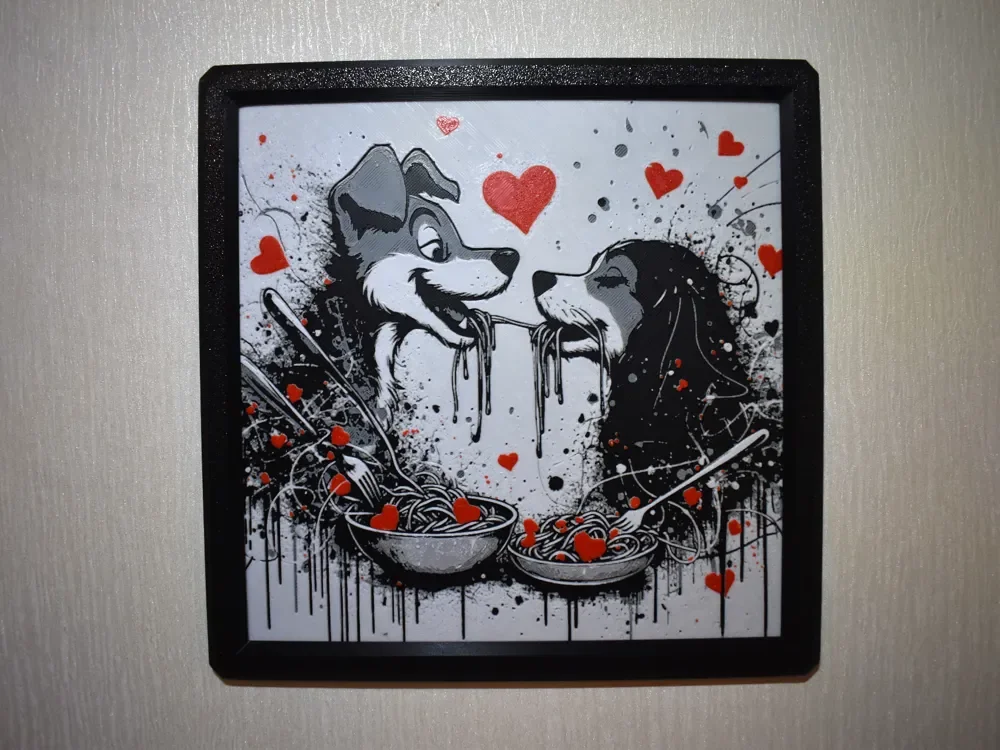
Lady and the Tramp Valentines Hueforge
by Chris B
A twisted Valentine's tale unfolds as Disney's beloved canine couple shares an unexpectedly macabre spaghetti dinner. The iconic romantic scene transforms into dark street art, where dripping black ink and crimson hearts create a haunting contrast against the white background. Bold splatter effects and graffiti-style elements reimagine the classic Lady and the Tramp moment with edgy urban aesthetics, blending nostalgia with contemporary rebellion.
View on MakerWorldRequired Filaments4
Bambu Lab Basic Black
Bambu Lab Basic Gray
Bambu Lab Basic Jade White
Bambu Lab Basic Red
Why filament details may vary
Filament details (brand, color, and TD value) may not exactly match the designer's original specification. In some cases, the designer didn't specify exact filaments and we've matched the closest options we could find. Always check the original listing for full details.
Some filament links are affiliate links — we may earn a small commission at no extra cost to you. Learn more
Sign up to track your filament inventory and check your matches.
Create accountYou Might Also Like
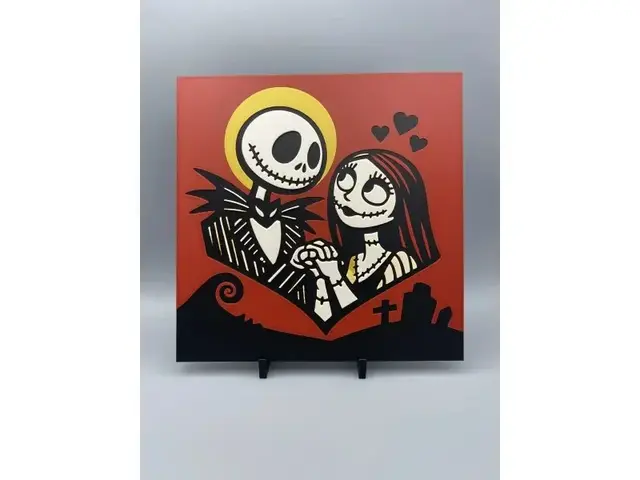
Jack & Sally Heart HueForge Print
by Thadius
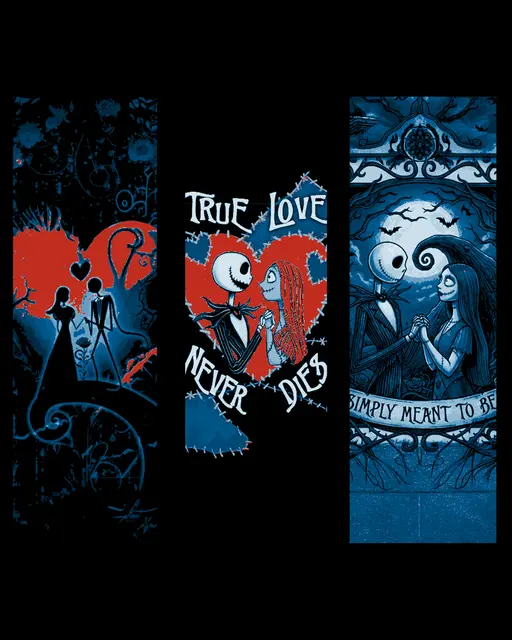
Jack and Sally Celebrating Valentine's Day - Nightmare before Christmas bookmark designs
by BooneCo3d
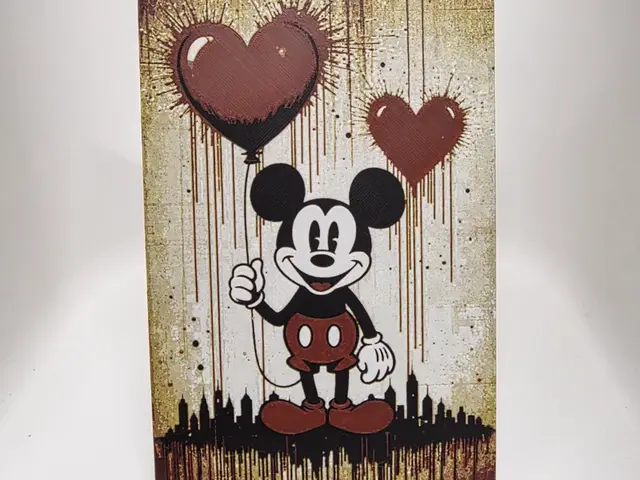
Mickey Mouse Hueforge
by Morganja
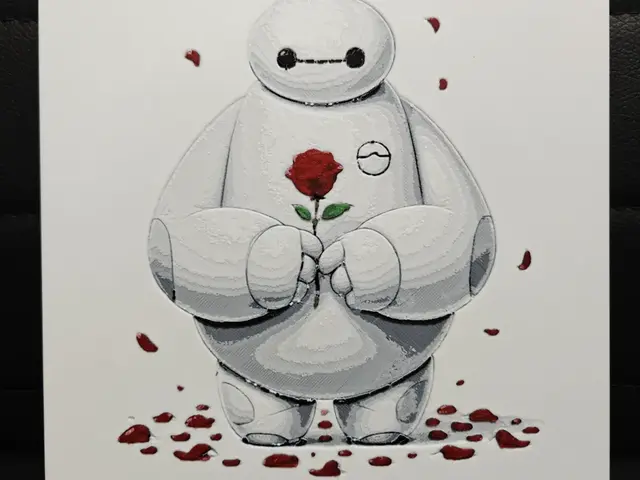
Valentine Baymax
by TheHueforgeLady
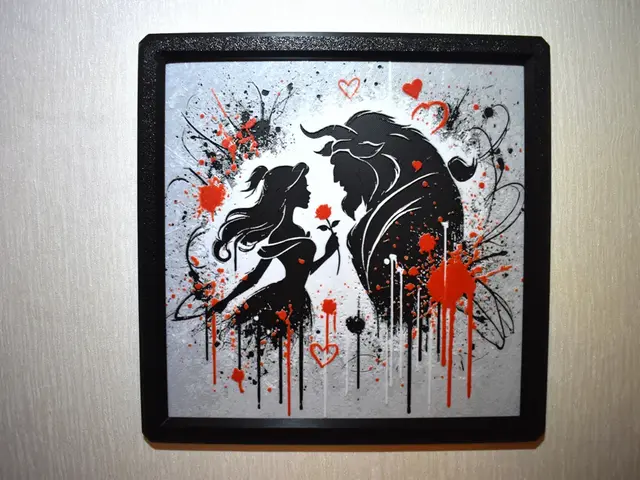
Beauty and the Beast Hueforge
by Chris B
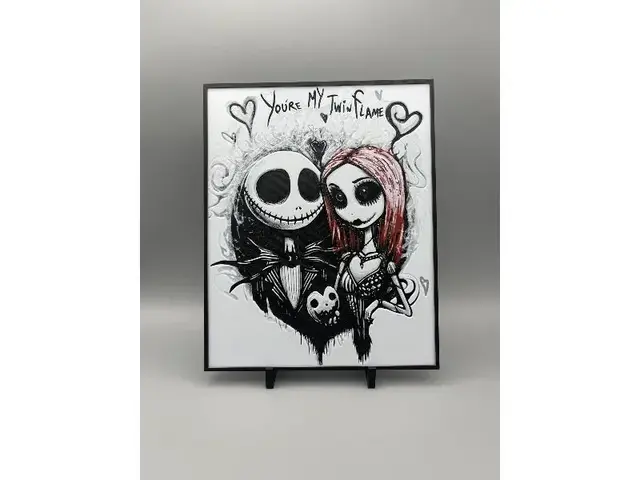
Twin Flame Gothic Couple HueForge
by Thadius
Recent Articles
View all
Best Christmas 3D Prints for HueForge: Ornaments, Santa & Holiday Movie Posters
The Christmas 3D prints worth making as HueForge filament paintings — tree ornaments, Santa and snowmen, holiday movie posters, festive fandom crossovers, and gift tags, grouped by theme.
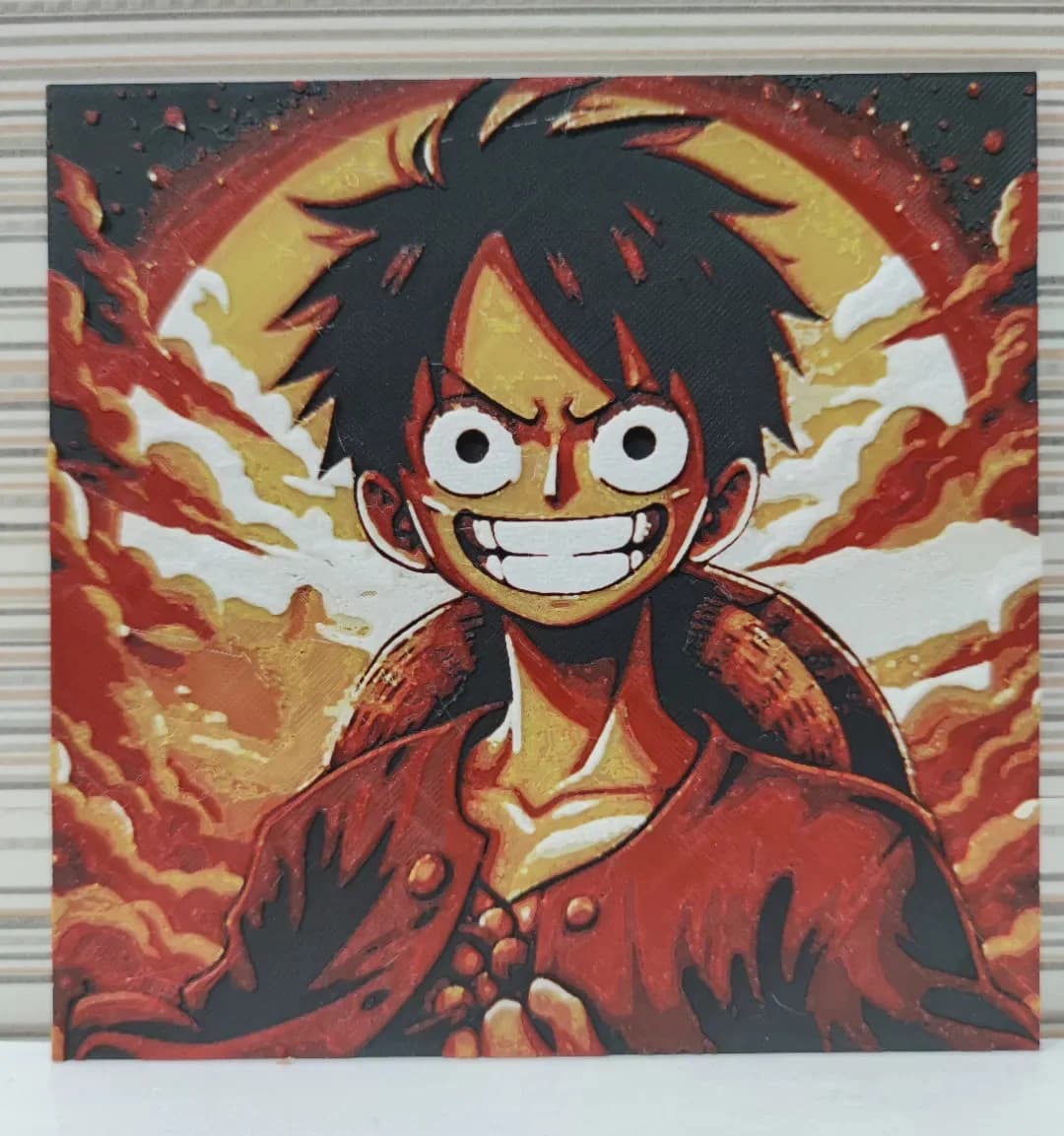
Best Anime 3D Prints for HueForge: From Shōnen Classics to the Modern Wave
The best anime 3D prints to make as HueForge filament paintings — One Piece, Naruto, Dragon Ball, Demon Slayer, Jujutsu Kaisen, Frieren, Gundam, and anime bookmarks, each linked in the HuePick catalog.
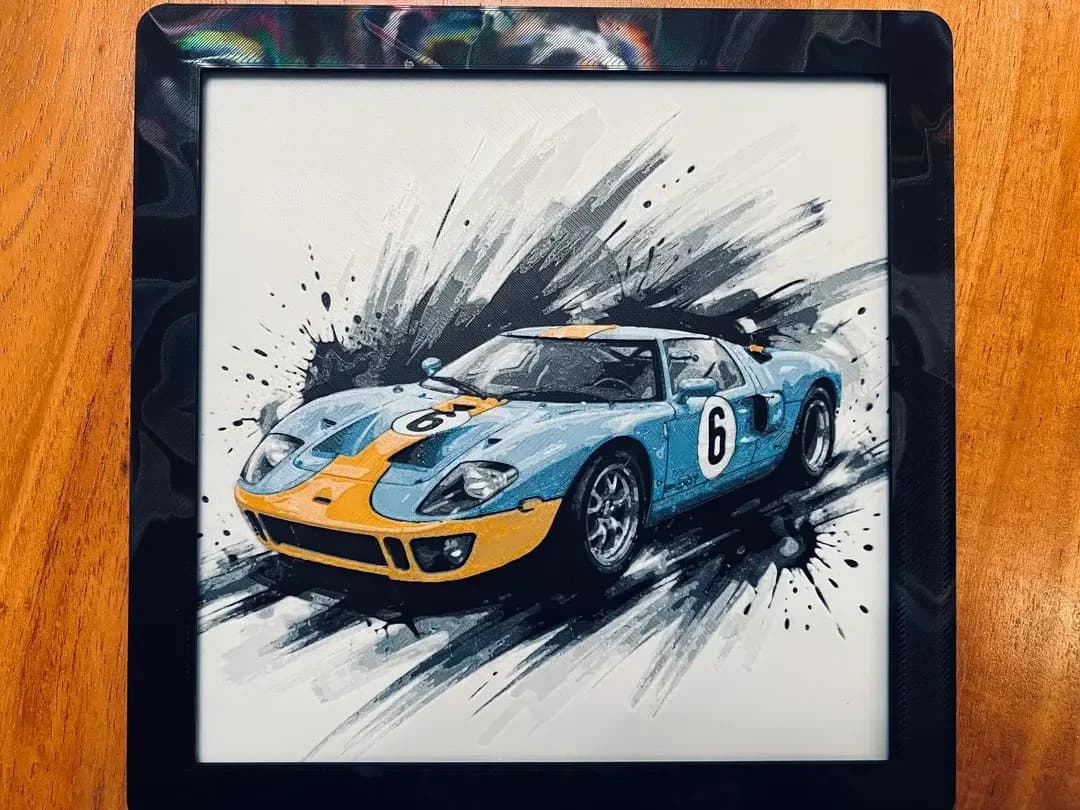
Best Car 3D Prints for HueForge: From Japanese Icons to Movie Cars
The best car 3D prints to make as HueForge filament paintings — JDM legends, supercars, American muscle, F1 and rally posters, and movie icons like the DeLorean, each linked in the HuePick catalog.