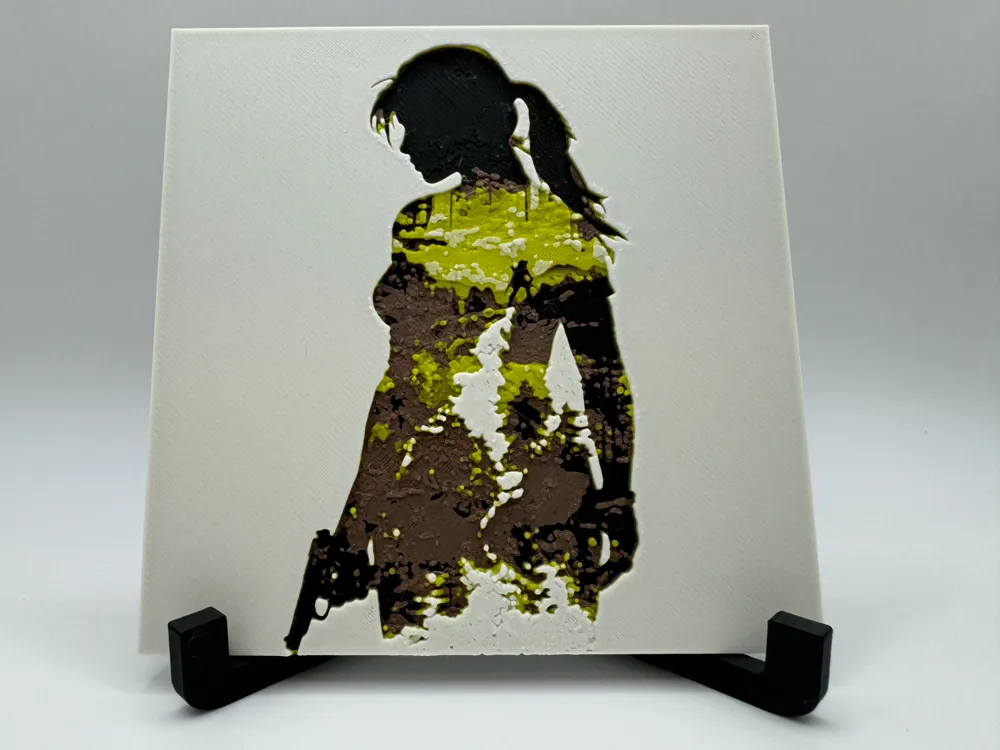
Lara Croft Silhouette - Tomb Raider
A legendary adventurer emerges from weathered stone and moss-covered ruins in this striking silhouette tribute to Lara Croft. The iconic tomb raider's profile is filled with textural layers of earthy browns and vibrant chartreuse greens, evoking ancient temple walls reclaimed by jungle vegetation. White highlights pierce through like shafts of light filtering into forgotten chambers, while the figure's distinctive ponytail and determined stance capture the essence of gaming's most famous archaeologist-explorer.
View on MakerWorldRequired Filaments4
Generic Black
Bambu Lab Matte Dark Brown
Bambu Lab Basic Yellow
Bambu Lab Matte Ivory White
Why filament details may vary
Filament details (brand, color, and TD value) may not exactly match the designer's original specification. In some cases, the designer didn't specify exact filaments and we've matched the closest options we could find. Always check the original listing for full details.
Some filament links are affiliate links — we may earn a small commission at no extra cost to you. Learn more
Sign up to track your filament inventory and check your matches.
Create accountYou Might Also Like
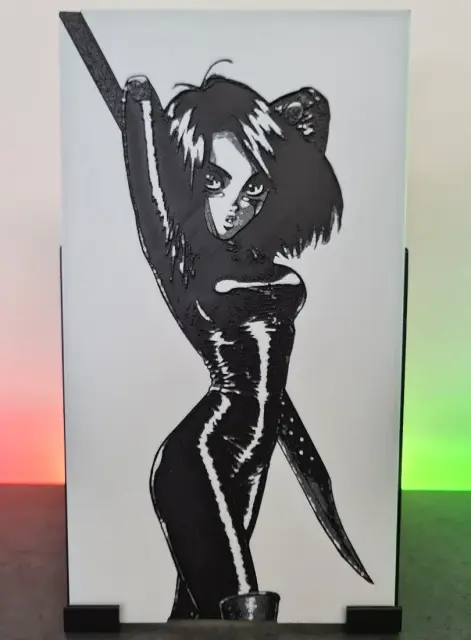
Gunm : Gally #4 - Hueforge 99x180
by Montoya Maker
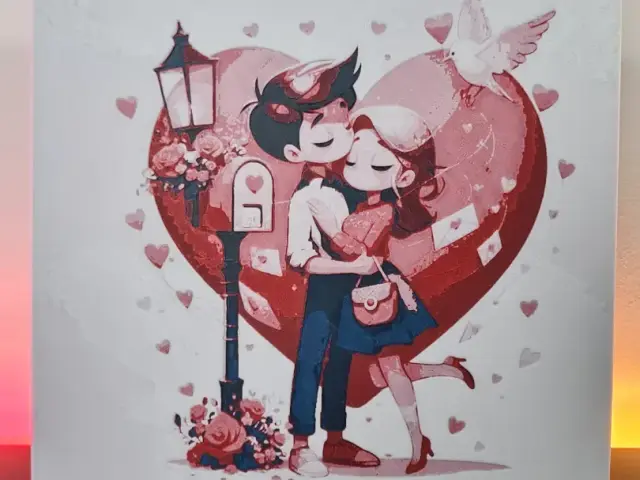
Saint Valentin Duo - Hueforge 200x200
by Montoya Maker
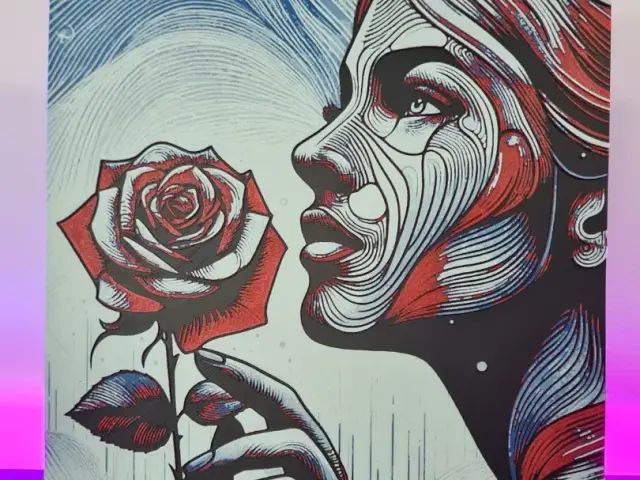
Girl and Rose - Hueforge 200x200
by Montoya Maker
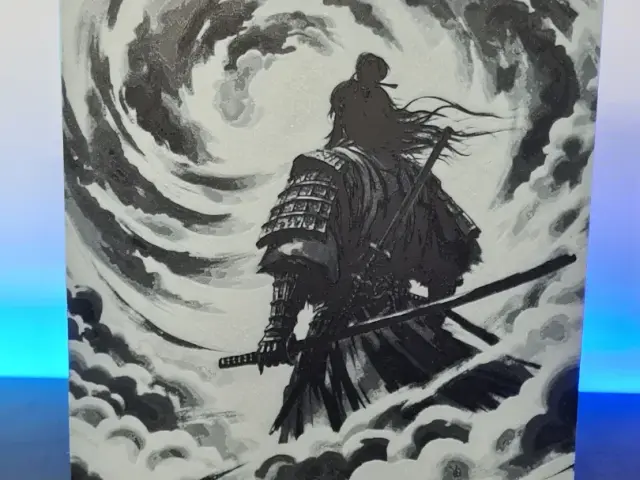
Ninja Cloud - Hueforge 150x150
by Montoya Maker
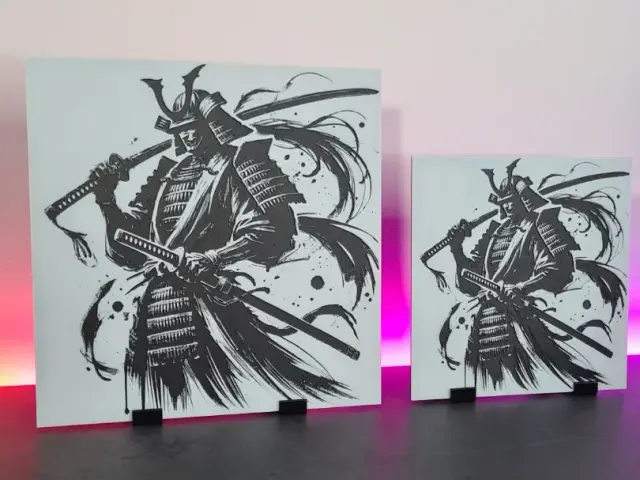
Samurai Black & White - Hueforge
by Montoya Maker
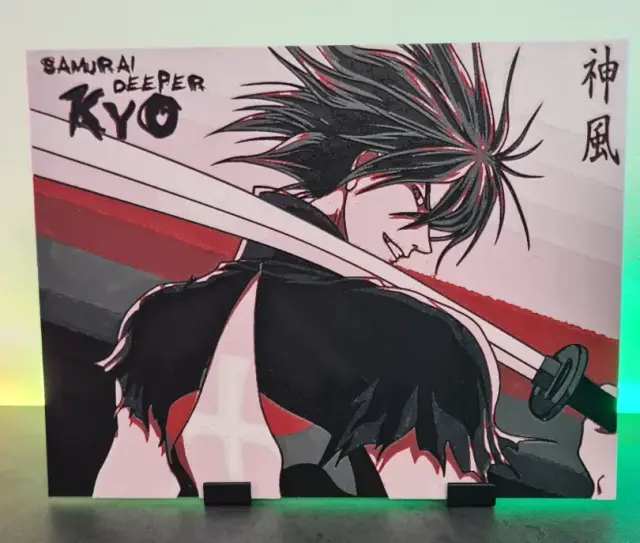
Samurai Deeper Kyo Red - Hueforge 200x155
by Montoya Maker
Recent Articles
View all
Best 3D Printed Gifts for Everyone on Your List — Made with HueForge
The best 3D printed gifts for everyone on your list, made with HueForge — custom pet and portrait art, ornaments and gift tags, bookmarks, and fandom prints matched to the recipient, plus how to turn gift requests into income.
Best Christmas 3D Prints for HueForge: Ornaments, Santa & Holiday Movie Posters
The Christmas 3D prints worth making as HueForge filament paintings — tree ornaments, Santa and snowmen, holiday movie posters, festive fandom crossovers, and gift tags, grouped by theme.
Best Anime 3D Prints for HueForge: From Shōnen Classics to the Modern Wave
The best anime 3D prints to make as HueForge filament paintings — One Piece, Naruto, Dragon Ball, Demon Slayer, Jujutsu Kaisen, Frieren, Gundam, and anime bookmarks, each linked in the HuePick catalog.