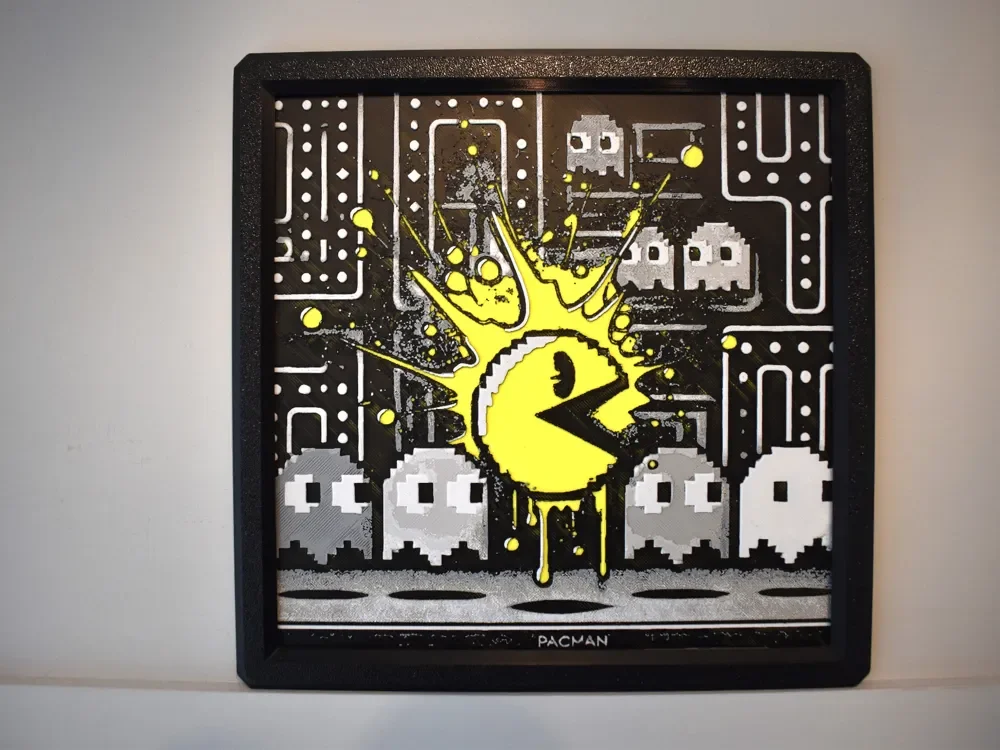
Pacman 3D Printed 'Hueforge' Wall Art
by Chris B
A nostalgic pixel-art tribute to arcade gaming's most beloved character explodes with energy in this dynamic wall art. The iconic yellow Pac-Man bursts forward in a crown of splattered paint, surrounded by classic ghost enemies rendered in grayscale pixels. Chris B's design captures the maze's geometric patterns in crisp white lines against a deep black background, transforming retro gaming nostalgia into modern street art aesthetic.
View on MakerWorldRequired Filaments4
Bambu Lab Basic Yellow
Bambu Lab Basic Black
Bambu Lab Basic Gray
Bambu Lab Basic Jade White
Why filament details may vary
Filament details (brand, color, and TD value) may not exactly match the designer's original specification. In some cases, the designer didn't specify exact filaments and we've matched the closest options we could find. Always check the original listing for full details.
Some filament links are affiliate links — we may earn a small commission at no extra cost to you. Learn more
Sign up to track your filament inventory and check your matches.
Create accountYou Might Also Like
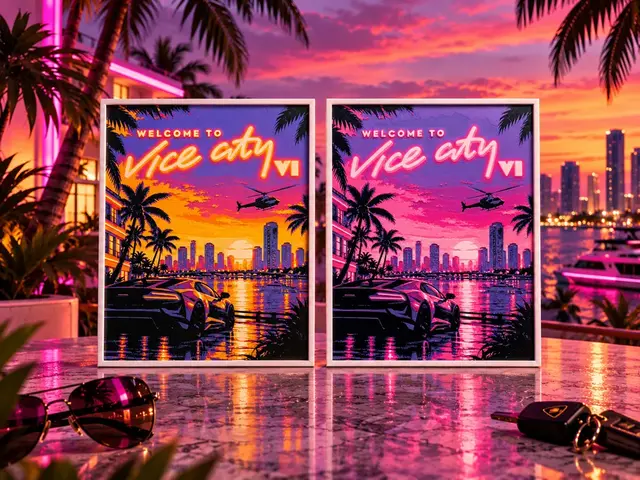
Welcome to Vice City - GTA VI - HueForge
by keko
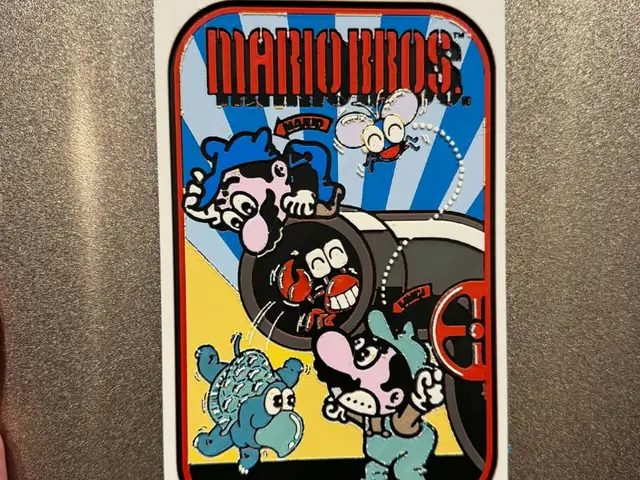
Mario Bros. Classic Arcade Side Art
by IslandLooter

Pitfall! - Classic Console Video Game Box Art
by IslandLooter
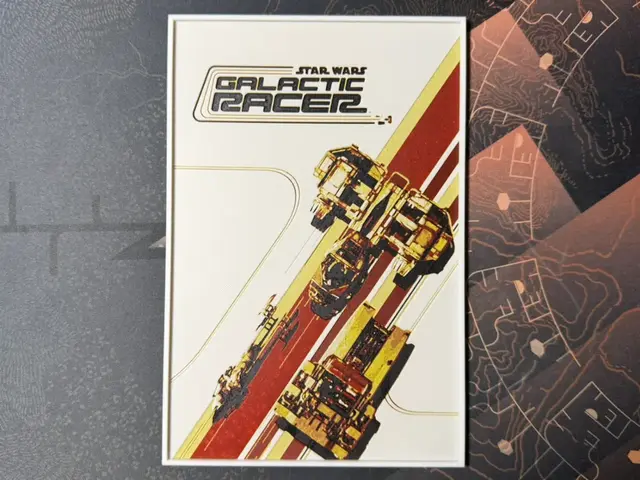
STAR WARS Galactic Racer - HueForge
by ZorPrime7
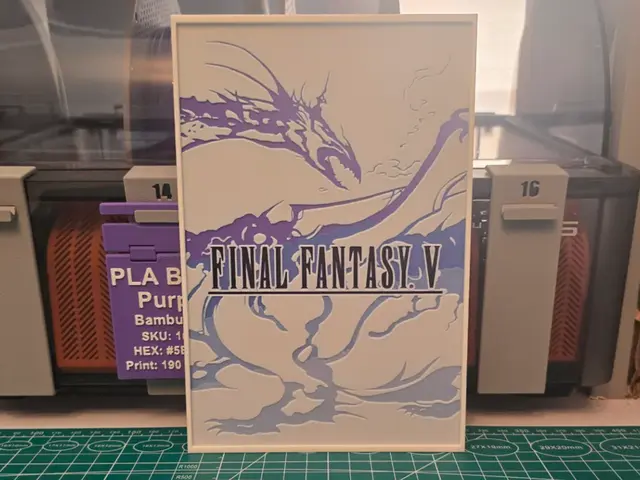
Final Fantasy V Game Poster - Hueforge Art
by Lumpy3D
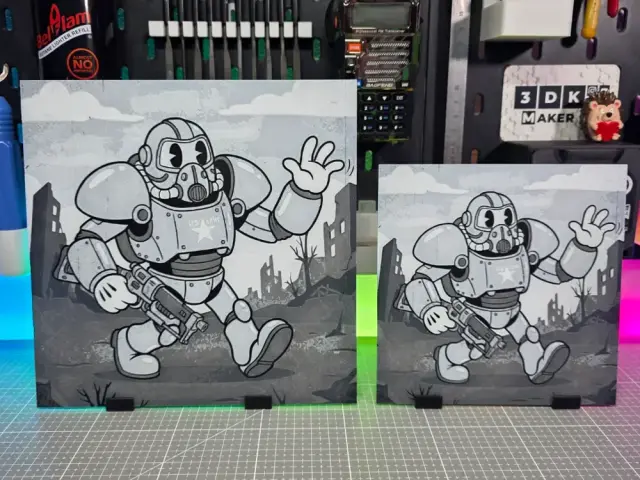
Anime Fallout - Hueforge - 3 Colors
by Montoya Maker
Recent Articles
View all
Best 3D Printed Gifts for Everyone on Your List — Made with HueForge
The best 3D printed gifts for everyone on your list, made with HueForge — custom pet and portrait art, ornaments and gift tags, bookmarks, and fandom prints matched to the recipient, plus how to turn gift requests into income.
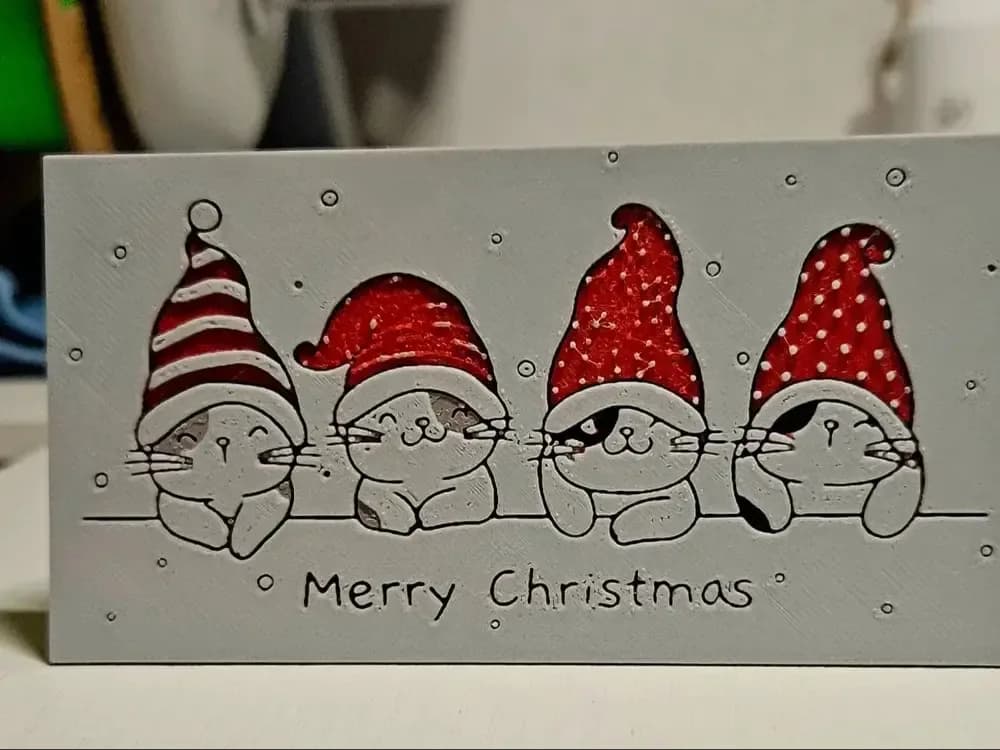
Best Christmas 3D Prints for HueForge: Ornaments, Santa & Holiday Movie Posters
The Christmas 3D prints worth making as HueForge filament paintings — tree ornaments, Santa and snowmen, holiday movie posters, festive fandom crossovers, and gift tags, grouped by theme.
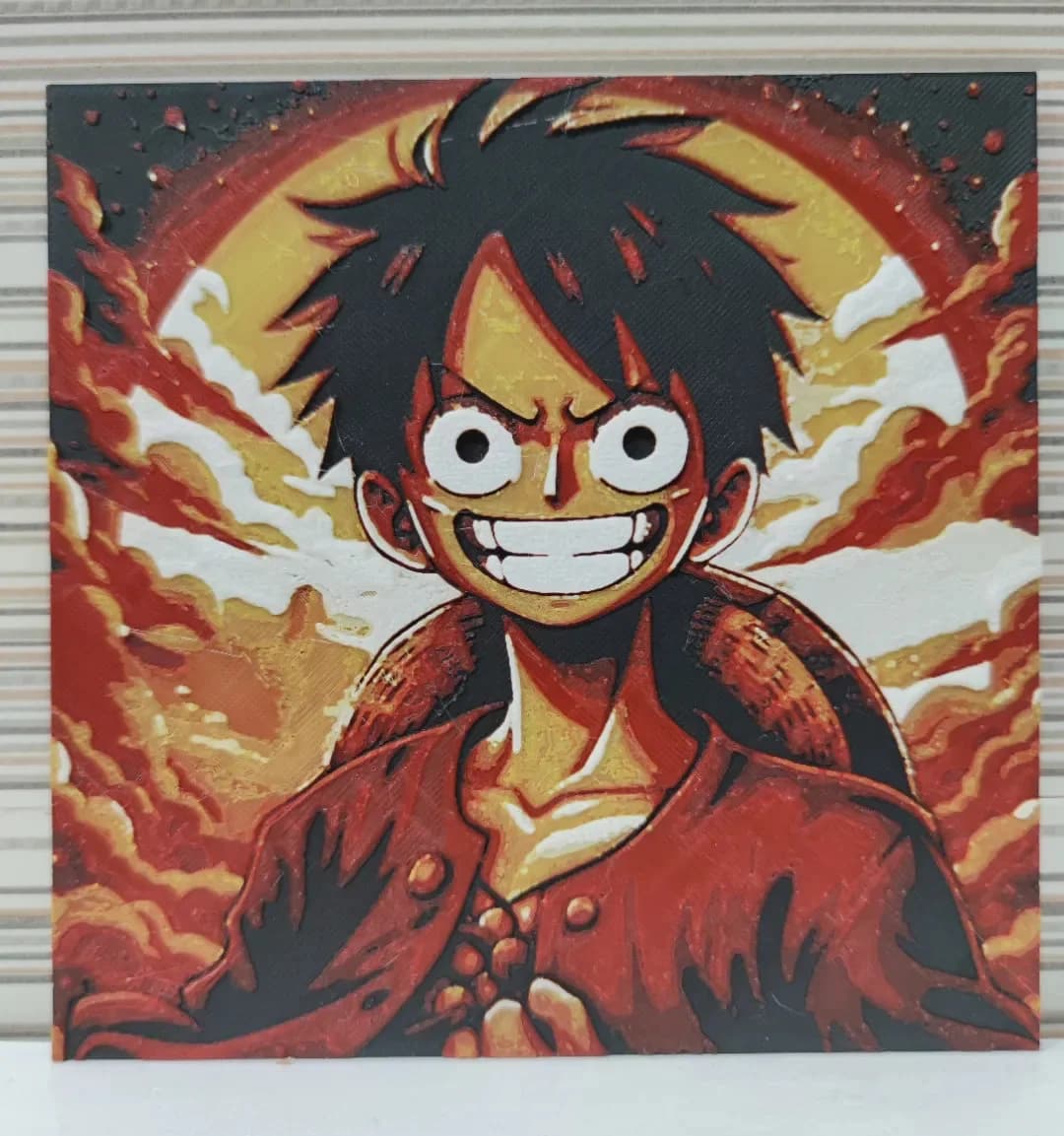
Best Anime 3D Prints for HueForge: From Shōnen Classics to the Modern Wave
The best anime 3D prints to make as HueForge filament paintings — One Piece, Naruto, Dragon Ball, Demon Slayer, Jujutsu Kaisen, Frieren, Gundam, and anime bookmarks, each linked in the HuePick catalog.