Best Dungeon Crawler Carl STL Files for HueForge: Book Covers, Carl & Donut & More
The Dungeon Crawler Carl STL files worth printing as HueForge filament paintings — all eight book covers, Carl and Donut, Mongo, Prepotente, the Princess Posse, and more.
Quick Answer
The Dungeon Crawler Carl catalog splits into two types of print: the eight book covers, which form a complete illustrated set with a single consistent art style across the whole series, and the character prints — Carl and Donut, Mongo, Prepotente, the Princess Posse, and the Desperado Club. The picks below favor the book covers as a set and the character designs that put non-human silhouettes to work.
Most LitRPG IP doesn't have a catalog. Dungeon Crawler Carl does — and it's organized around something most franchise prints aren't: a complete set of professional book cover illustrations spanning the full series, each one designed by the same illustrator in a consistent style. That's the spine of the DCC catalog on HuePick, and it's where the strongest argument for printing this franchise actually lives. The character prints — Carl, Donut, the party members, the faction groups — extend out from there.
Nothing here is for sale; this is a discovery list, not a shop. Each model card links to its source page on MakerWorld, Patreon, or wherever the designer published it. From there you download the file and print it yourself on your AMS or multi-material setup. The browse → click through → download → print workflow is the whole shape of using HuePick.
On the file format: most of these models ship as .3mf files with the HueForge layer plan baked in; a few are .hfp project files or bare STL geometry. We use "STL files" throughout as the maker-search shorthand the way most printers do — the actual format is listed on each model's source page.
If HueForge is the unfamiliar piece, the HueForge Printing for Beginners walkthrough covers what the software does and what changes about the slicer setup. Already comfortable? Keep reading.
The book covers lead because they're the deepest part of the catalog and the most immediately printable as a group. The character prints follow, organized from the main duo outward to the faction groups and solo characters.
The Book Covers
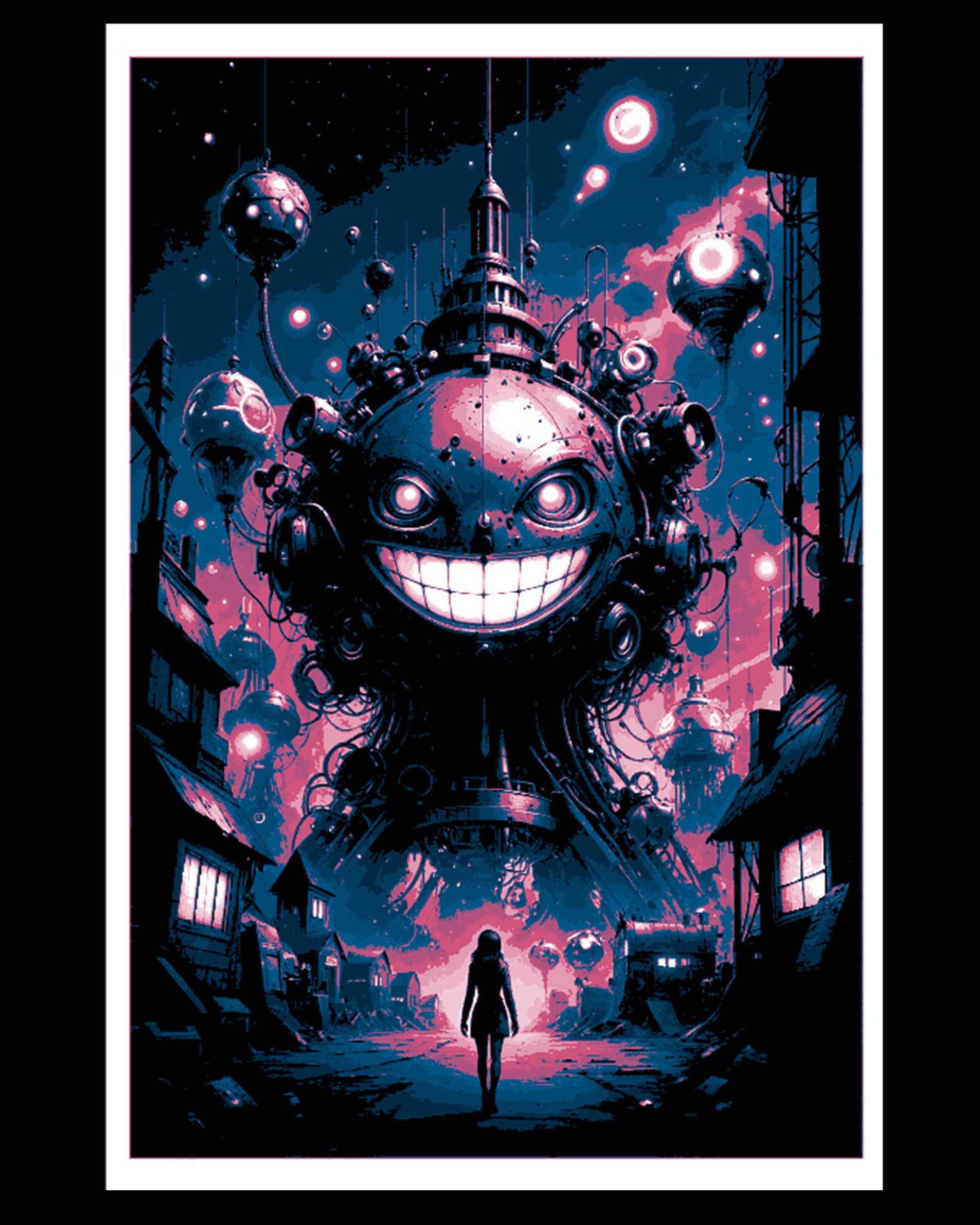
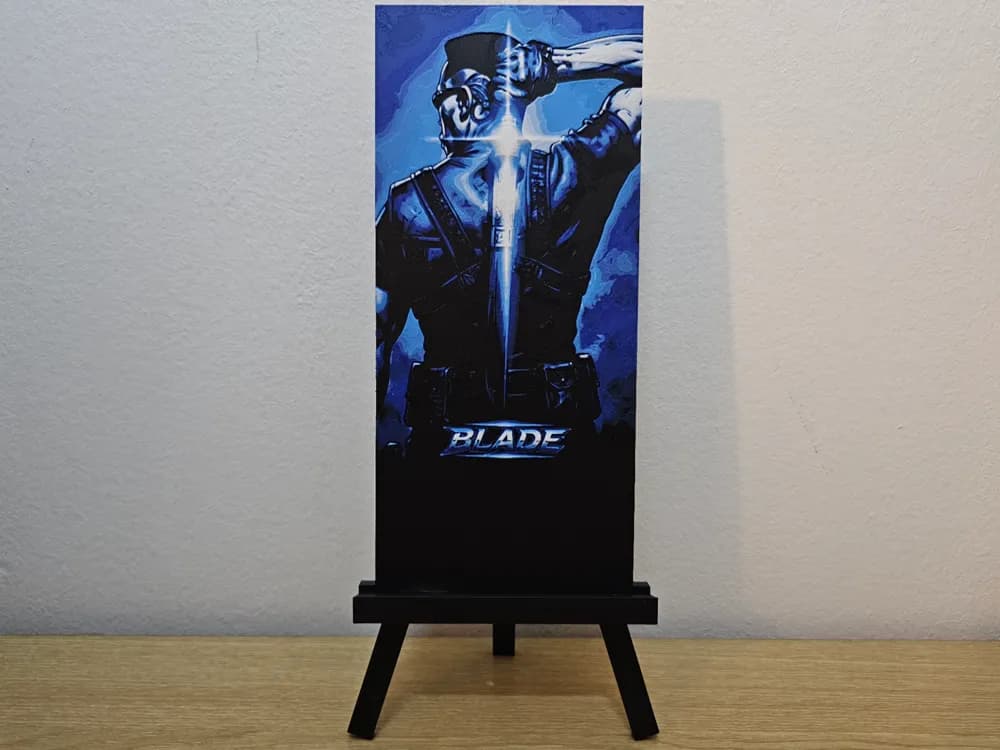
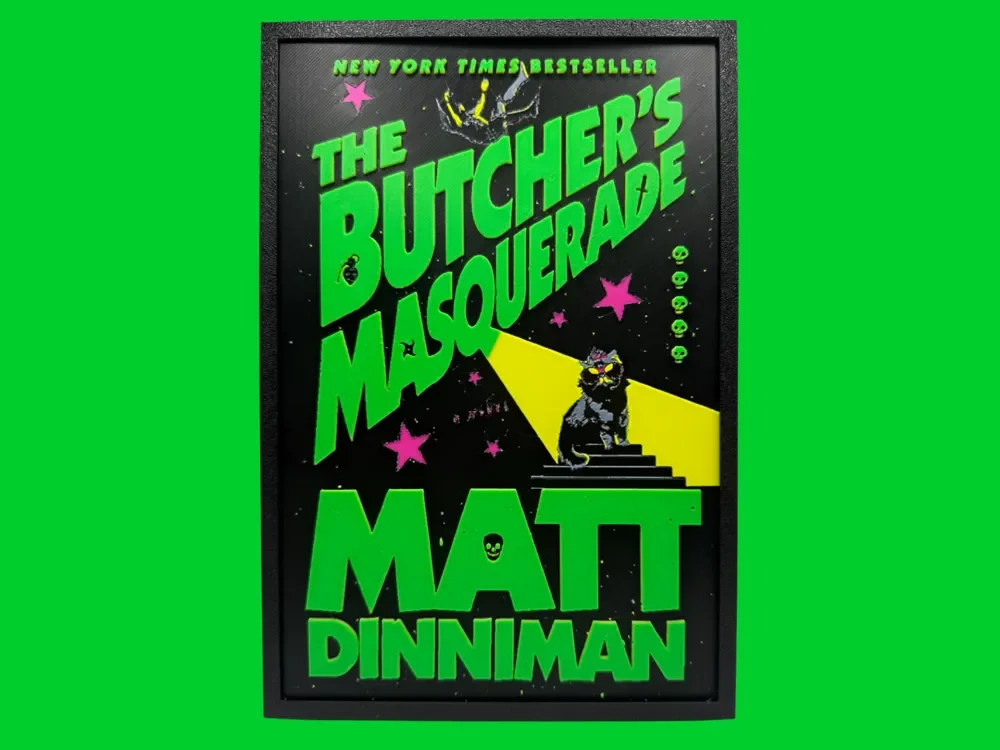
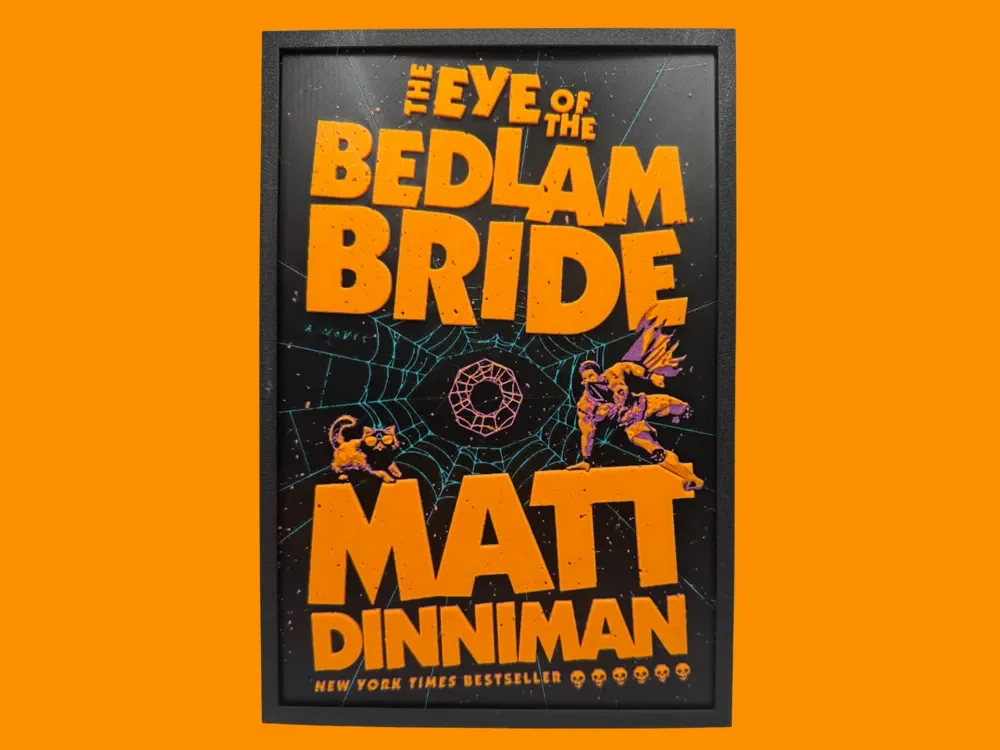
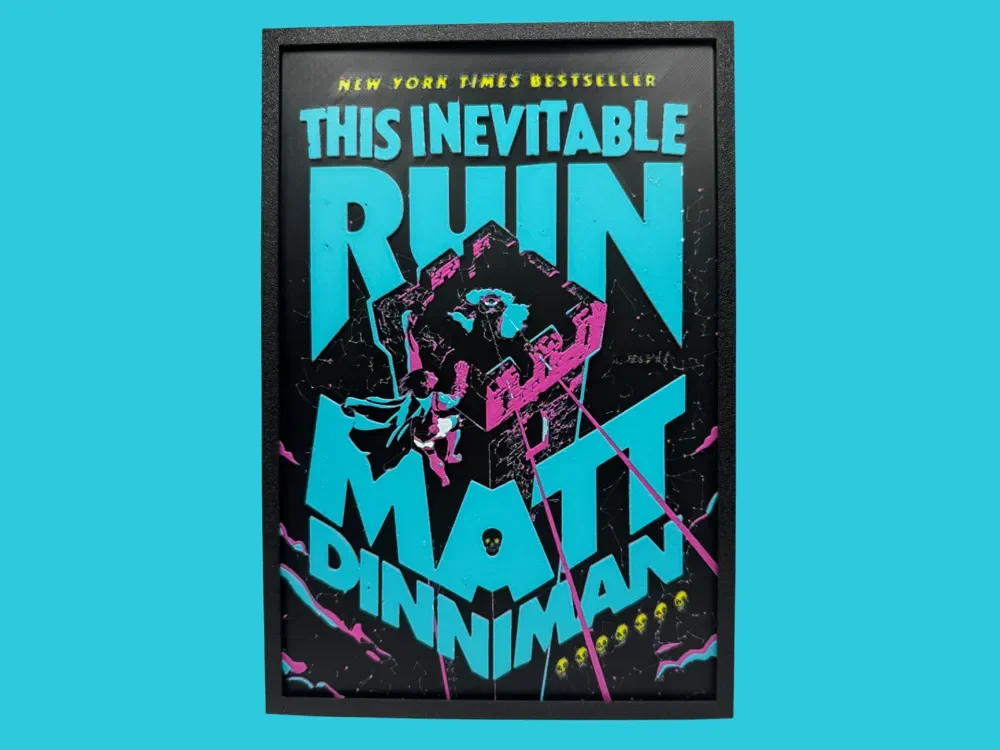
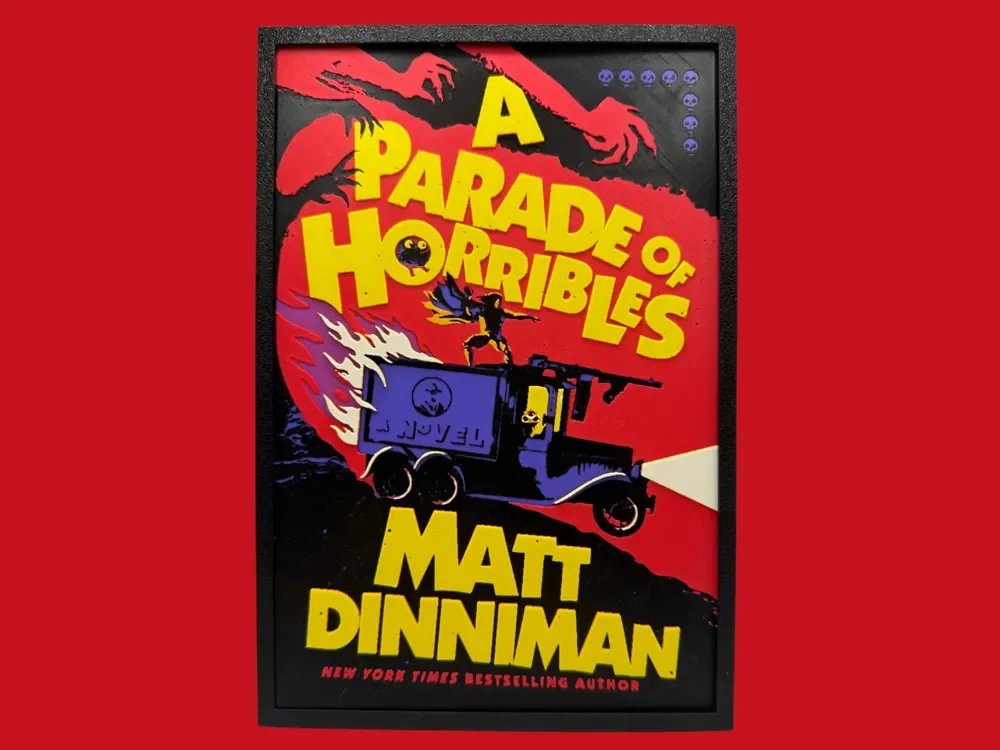
Eight books, eight cover prints, one consistent illustrative style — that's what makes the DCC cover set a different kind of HueForge project than a single franchise character print. You're not picking one Pikachu from forty options. You're deciding how much of a series you want on the wall, and the answer compounds: one cover is a statement print, three or four is a gallery wall, all eight is a dedicated shelf.
The covers share a compositional language — strong figure placement, high-contrast backgrounds, the dungeon floor number and book title worked into the design — which means their palette relationships matter across the set in a way individual franchise prints don't. If you're printing more than two, it's worth pulling all eight palettes before you start and making sure your filament choices for each will sit comfortably next to each other. The covers that share a dominant color family (two blue-heavy floors, say) may need more tonal separation in their accent colors to read as distinct prints on the same wall.
The flip side of that compositional consistency is that these covers are among the most pre-designed HueForge subjects in the catalog. The original illustrators have already solved the silhouette, the contrast, and the focal hierarchy. Your main job is palette calibration, not composition. That makes the book covers more forgiving starting points than the character portraits in the sections below — especially if you're newer to multi-material work.
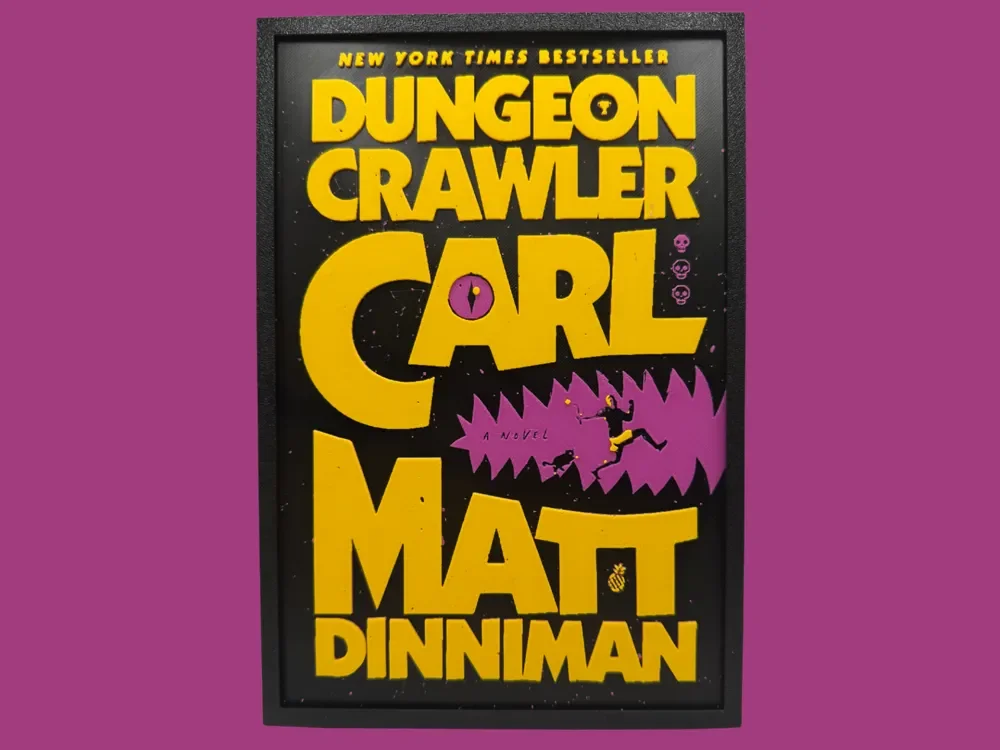
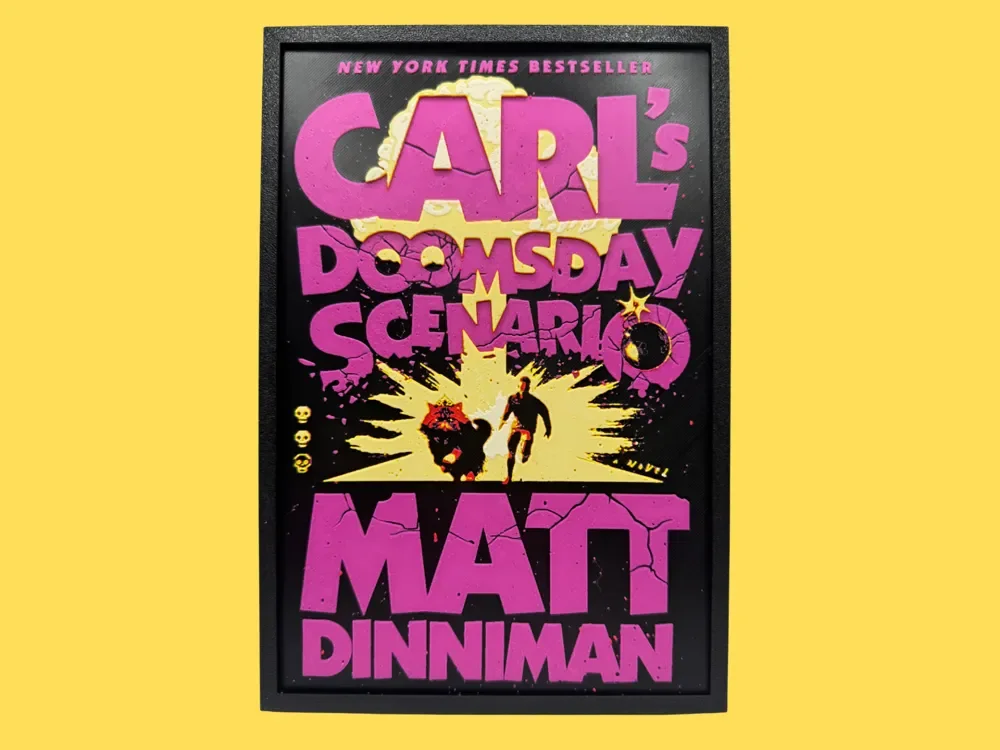
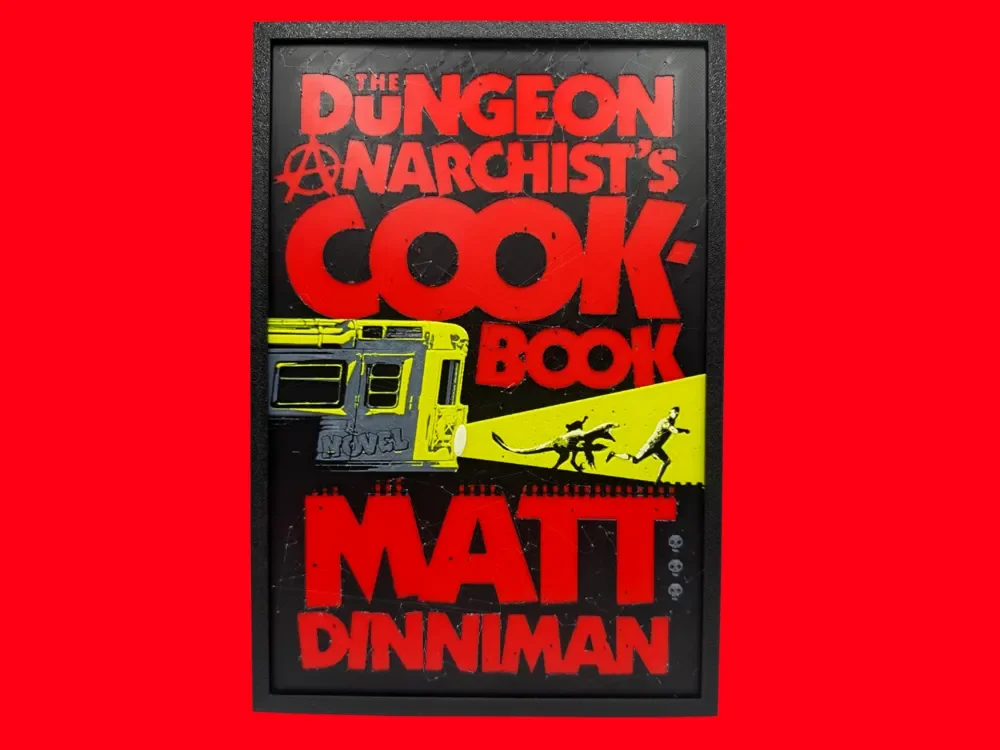
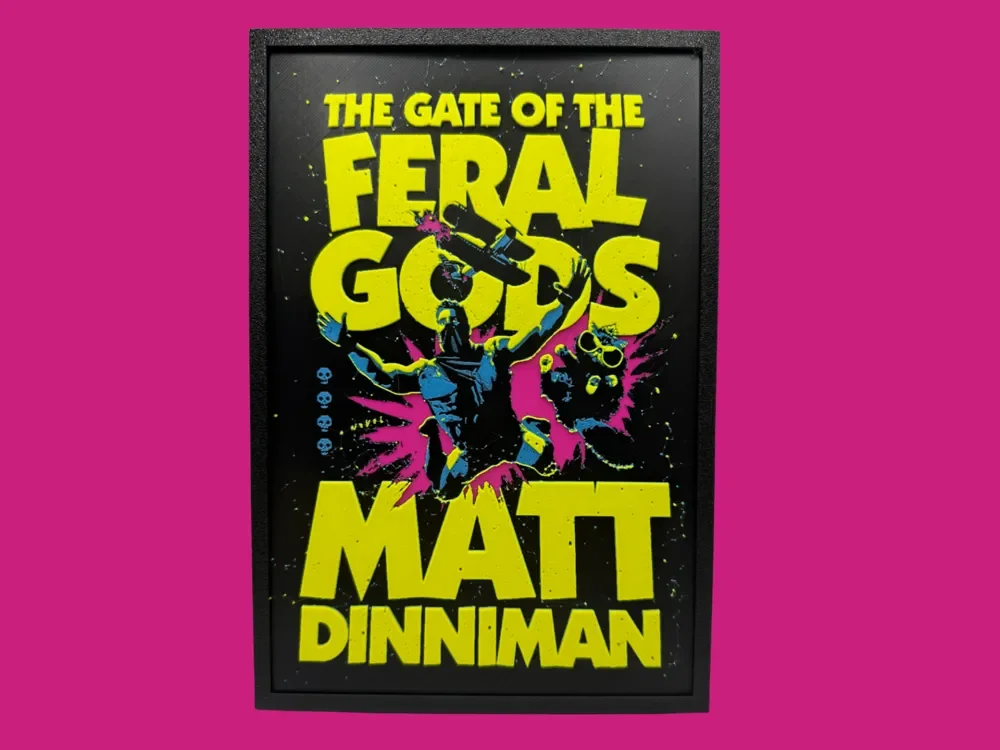
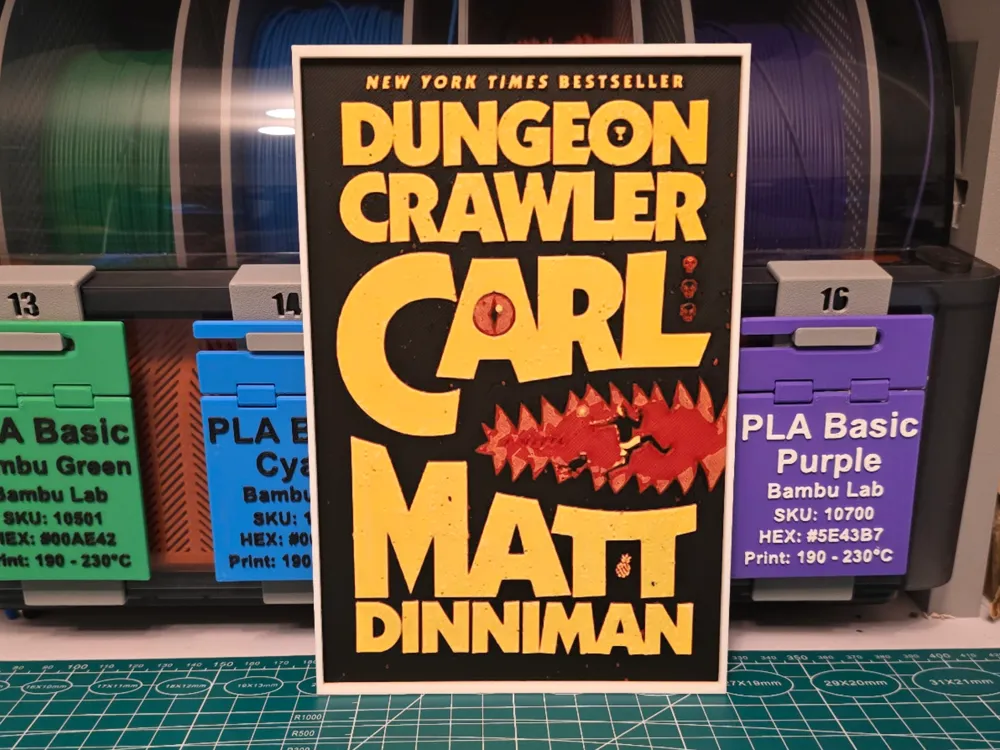
Browse all Dungeon Crawler Carl book covers in the HuePick catalog →
Carl & Donut
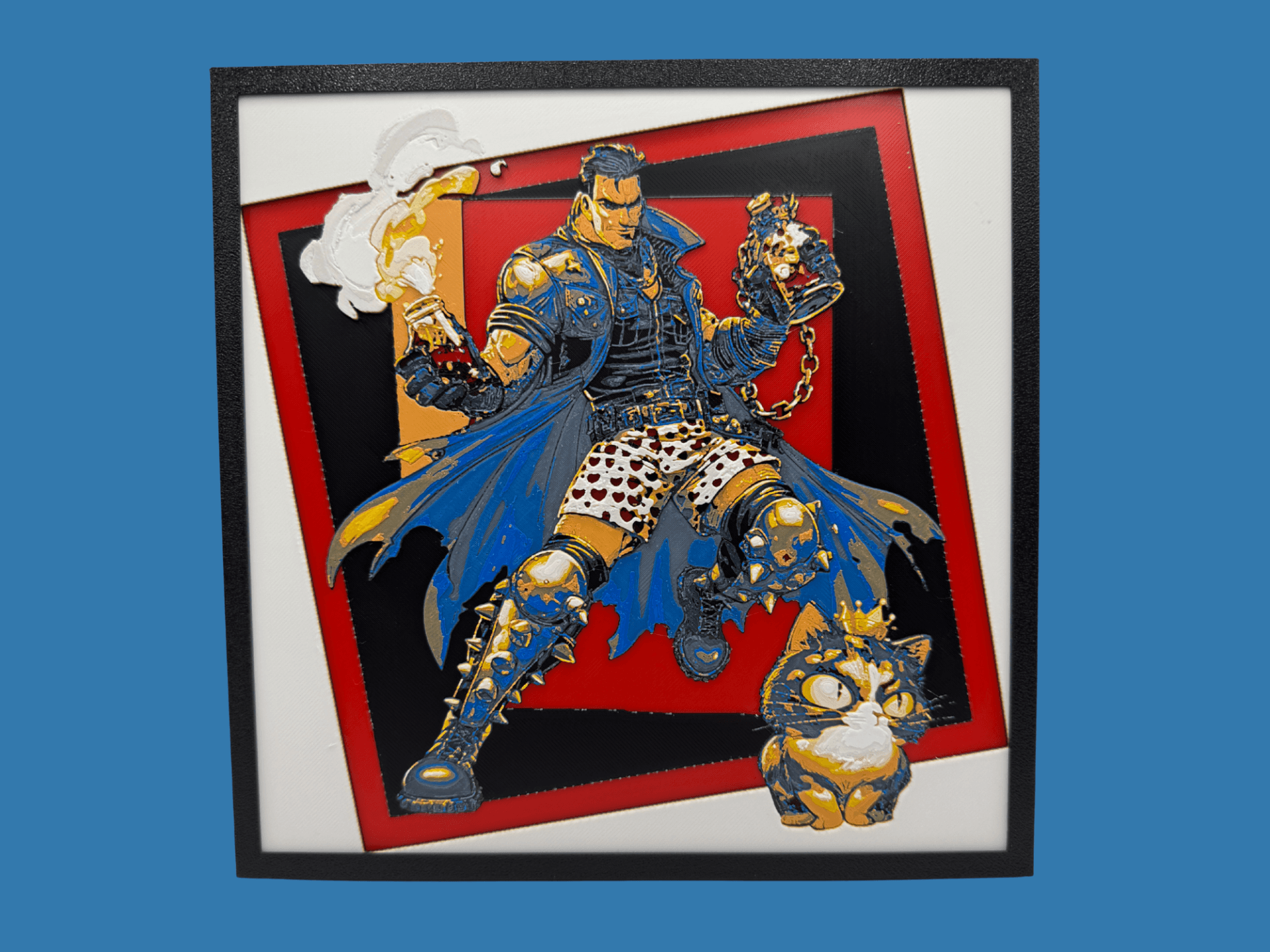
Carl is a Coast Guard veteran turned dungeon crawler — a human figure in tactical gear navigating a death-game dungeon broadcast as alien reality television. Donut is a tortoiseshell Persian cat who became sapient, assumed the title of princess, and immediately became the more strategically dangerous of the two. That dynamic — the combat-capable human and the high-charisma cat who outmaneuvers everyone in the room — is the engine of the whole series, and it's also the reason printing them as a pair is more interesting than either print alone.
The design tension between Carl and Donut as prints is real. Carl is a human portrait subject, which means the same tonal separation rules as any other character portrait apply. Her coat is a specifically demanding print: tortoiseshell patterning has complex irregular color distribution, and a Persian's face structure depends heavily on soft value gradations in the fur rather than hard edge definition. She rewards a wider palette than you'd initially expect for a single cat print, and she's the one in the pair most likely to need an extra filament color beyond what you planned for.
Print them both, though. A Carl print without Donut on the same shelf is missing the joke.

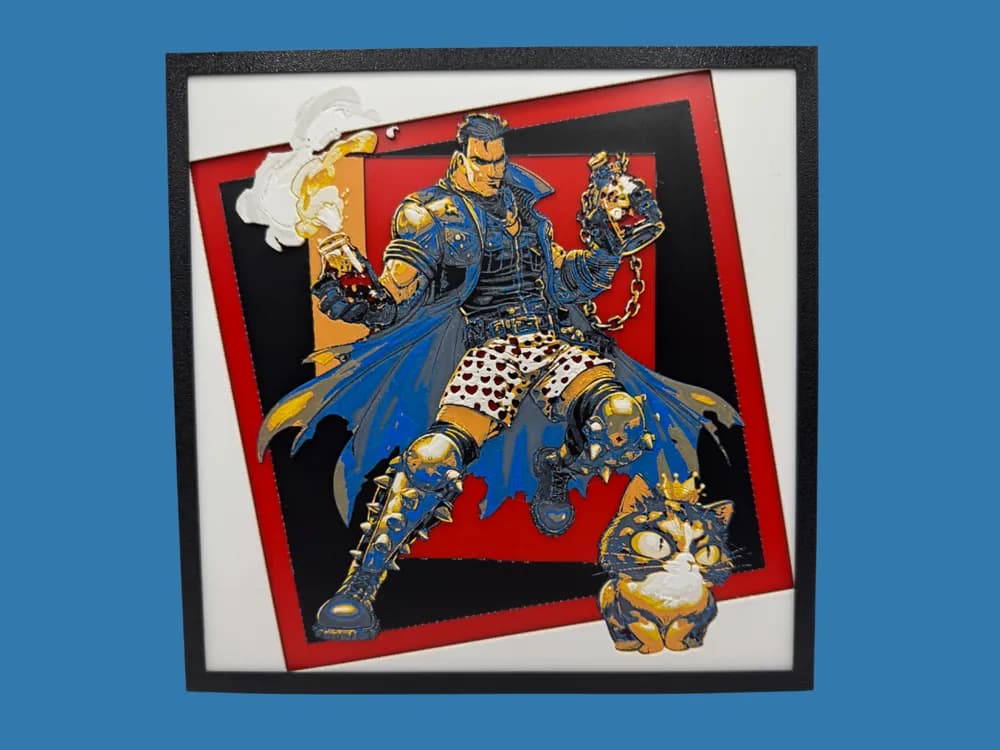
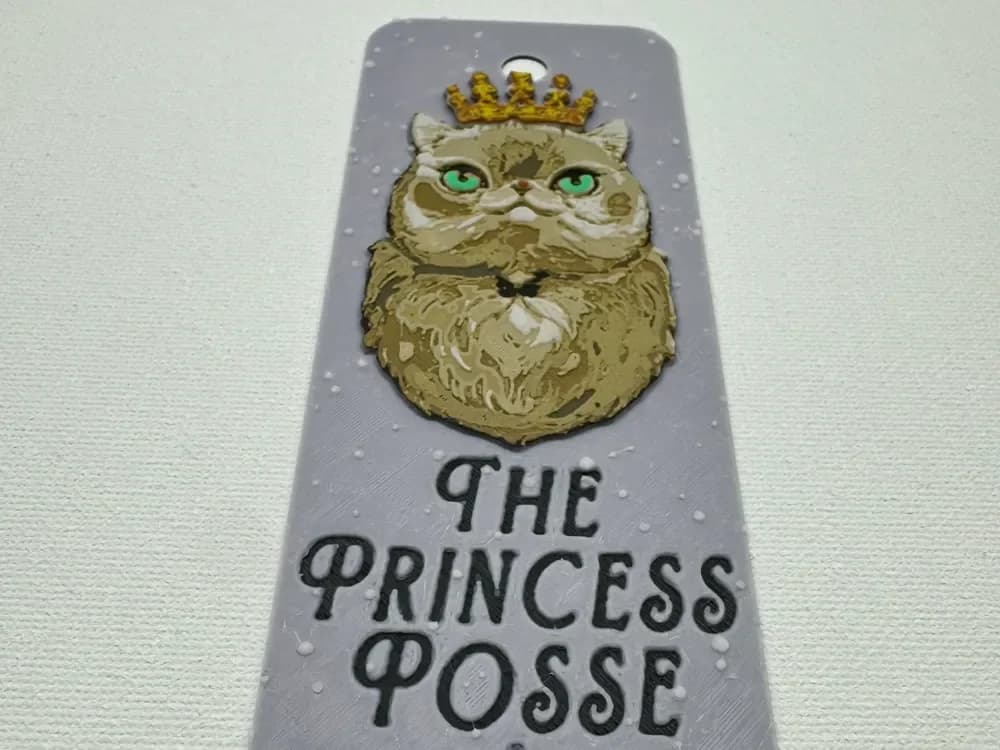
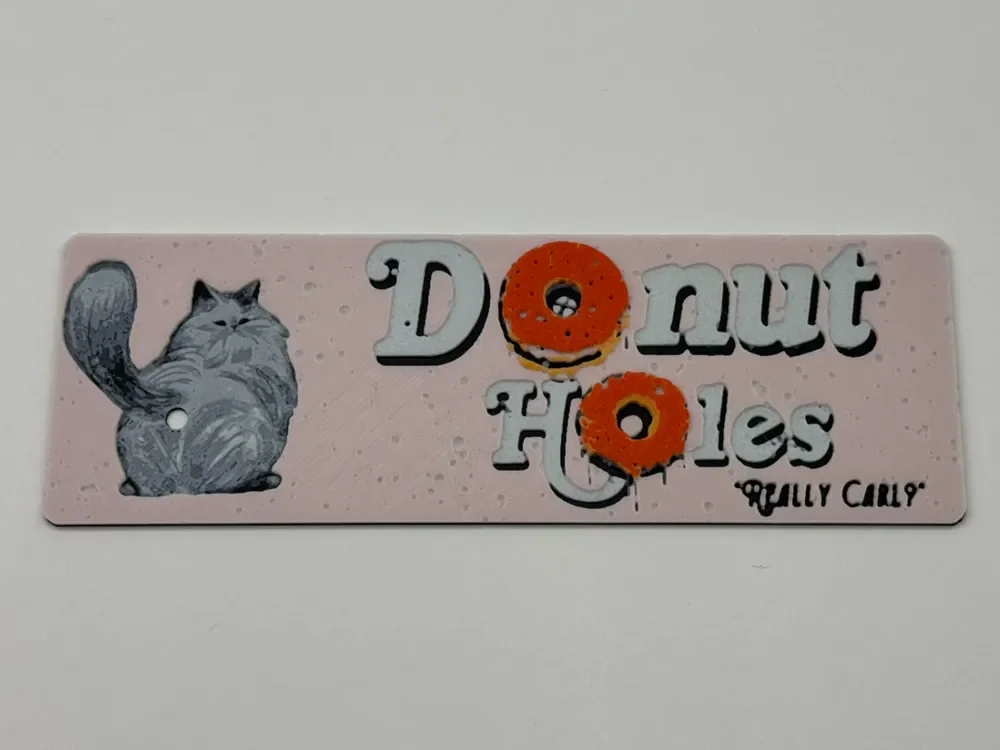

Browse all Carl & Donut models in the HuePick catalog →
The Royal Court
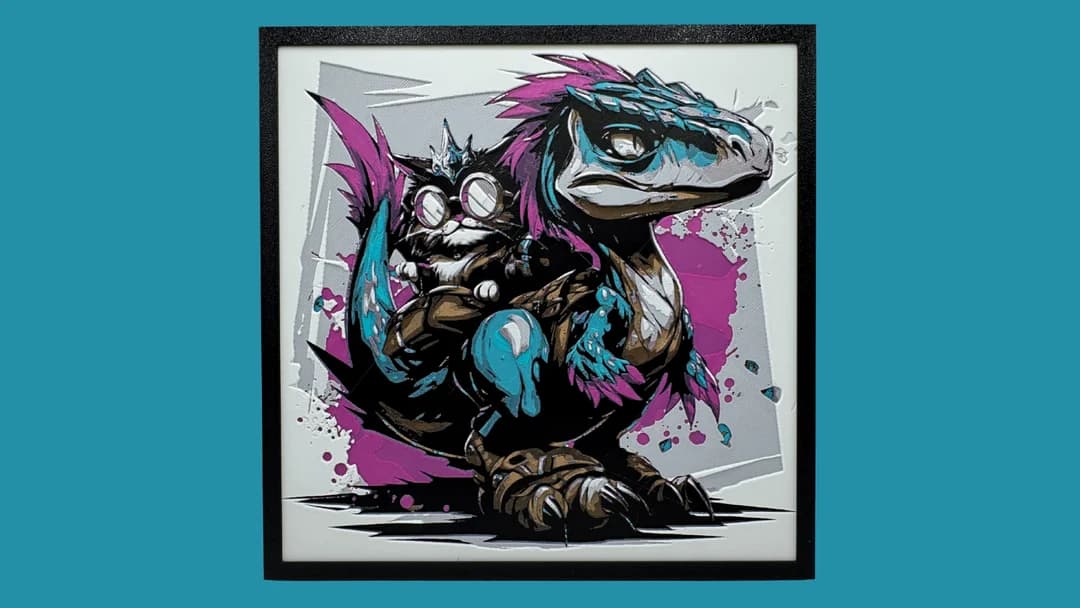
Donut doesn't crawl alone. By the time the series is in full swing, she's assembled a party — a humanoid goat, a velociraptor, a rotating cast of allies — and collectively they're designated as the Royal Court of Princess Donut. The HuePick catalog captures three of them with individual prints: Prepotente, the sapient humanoid goat who deduced the nature of an entire dungeon floor from sponsor items and earlier clues; Mongo, the velociraptor Donut acquired in the first floors; and a set of Princess Posse group prints that present the assembled court as a composition.
Prepotente and Mongo are the strongest individual character prints here from a HueForge standpoint, and for the same reason: both are non-human silhouettes with strong shape definition. A humanoid goat has a distinctive outline that reads from across a room. A velociraptor is a recognizable dinosaur silhouette that most makers have probably printed before in a fantasy context and know how to approach. The challenge with Mongo specifically is the same as any predator dinosaur print — the teeth, claws, and eye need to hold as distinct tonal layers, and that requires real separation between the highlight and shadow values in your palette.
The Princess Posse group prints are the compositional bet in this section — multi-character prints where the inter-character tonal separation matters as much as any individual figure's rendering. They're the most ambitious prints in the Royal Court category, and also the ones where the assembled-party context pays off most clearly on the wall.


Browse all Royal Court models in the HuePick catalog →
The Desperado Club
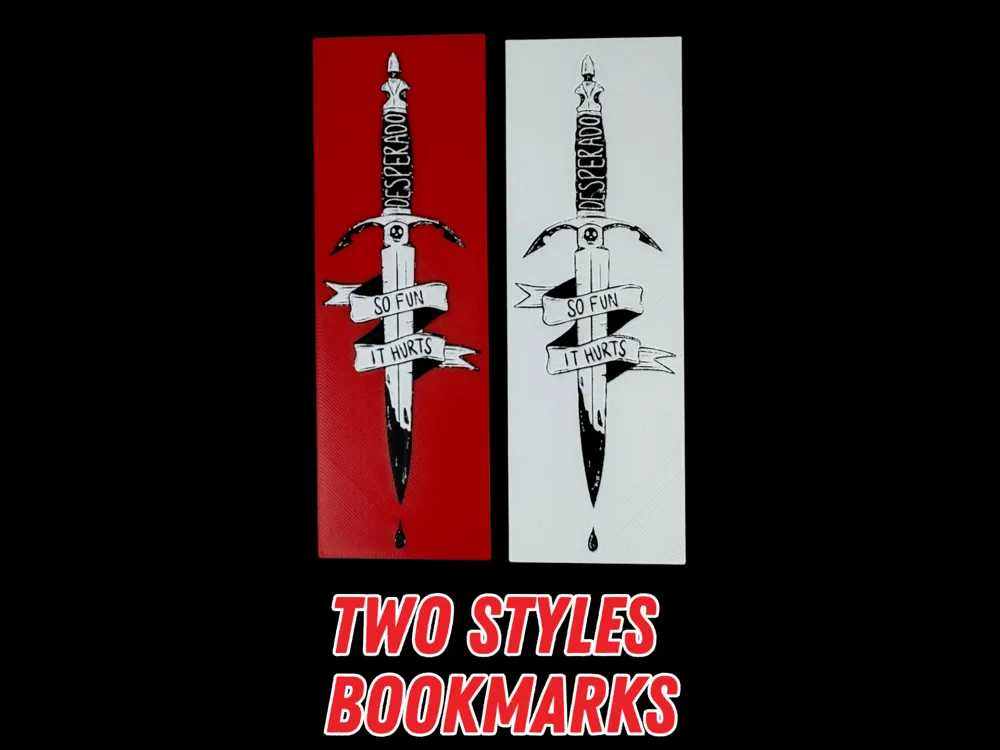
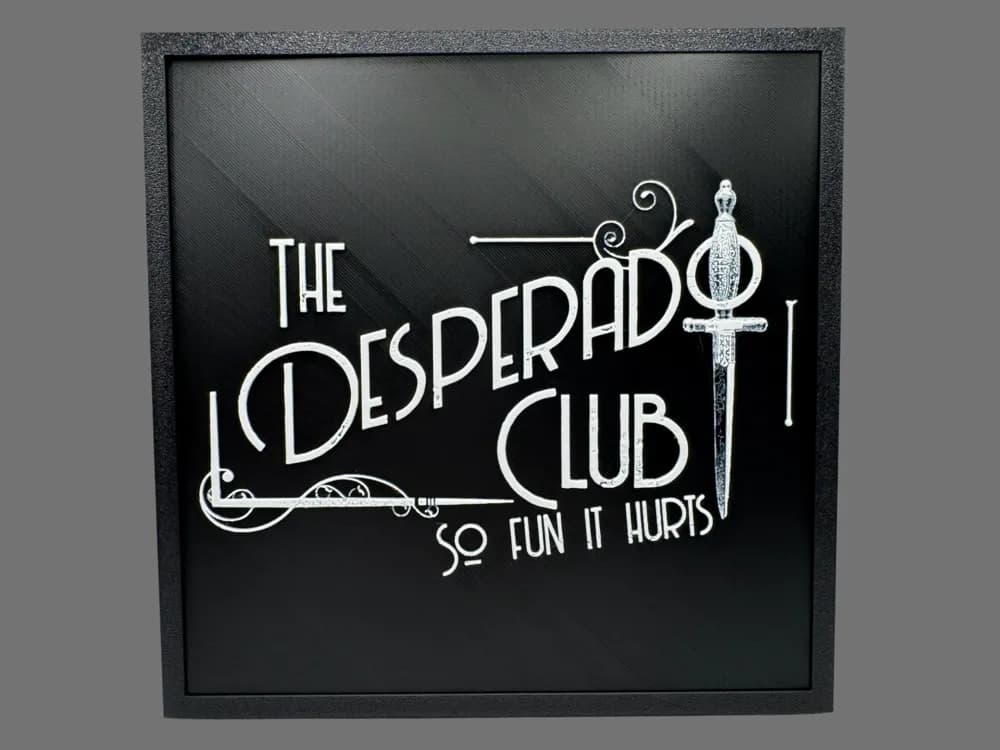
The Desperado Club prints are the faction section of the catalog — a small set of prints for a group that operates on its own terms within the dungeon rather than as part of Carl and Donut's court. The couple of prints here lean into group composition and the character design language that distinguishes them from the Royal Court aesthetically.
What makes this section work as a HueForge subject is contrast — these prints tend to use a different palette register than the Donut-side characters, which means a Desperado Club print doesn't compete visually with a Carl or Donut portrait on the same wall. They complement. If you're building a DCC shelf that tells the whole story of the dungeon and not just the protagonists' arc, the Desperado Club prints are what prevents it from becoming a one-sided wall.
Browse all Desperado Club models in the HuePick catalog →
After the print
The book covers are the natural starting point for most DCC makers, and they set a specific palette expectation. If you move from a cover print to a character print, the filament choices you made for the cover probably won't carry straight over — cover illustrations and character portrait models are different subjects with different tonal priorities. The Choosing Filament Colors for HueForge guide walks through how to build a palette around a specific model's structure rather than carrying a palette from one subject to another.
Display matters differently for the two types of print on this page. The book covers are compositional prints that read well at flat ambient light — they're designed to function as posters, and they hold up that way. The character prints, especially Mongo and Prepotente, get more out of a directional light source that picks out the non-human texture work. The How to Display 3D Printed Art at Home post covers the practical setups for both.
If your taste runs toward other progression-fantasy and franchise IP, two related roundups are worth checking:
- Best K-pop Demon Hunters STL Files — the Saja Boys section walks through the same dark palette and non-human silhouette logic that makes Mongo and Prepotente work
- Best Fantasy STL Files — dragons, knights, wizards, castles for taste-adjacent progression-fantasy subjects outside the DCC franchise
And if you want to skip the curation and browse the full franchise section of the catalog, the Dungeon Crawler Carl tag surfaces every model in the bucket — the four sections above plus anything added since this article was written.
Print a cover first. Build a palette around the specific floor's color logic, calibrate your TD values against the original illustration, and hang it somewhere it gets seen. Then come back for Donut.