How to Start a 3D Printing Business (From a Printer You Already Own)
A realistic guide to starting a 3D printing business as a HueForge maker — whether it's profitable, what it costs, the best business models, how to price, and the legal basics.
Quick Answer
Starting a 3D printing business is less about the printer — you probably already own the expensive part — and more about picking a product people actually pay for, pricing it so the work is worth your time, and staying on the right side of copyright. For a HueForge maker, the realistic path is a small, art-led shop built on original work, not a passive printer farm.
You already own the machine. You've printed enough to know your way around a filament swap and a failed first layer. So the thought creeps in: could this pay for itself — or more?
It can. But most "start a 3D printing business" advice is written to sell you a course, and it skips the parts that actually decide whether you make money. The printer is the cheap part — you've already bought it. What separates a business from an expensive hobby is choosing a product people pay real money for, pricing it so your time isn't free, and not building a shop on prints you can't legally sell.
This is the honest version, written for a maker whose edge is HueForge filament painting rather than mass-producing commodity plastic. It covers whether it's actually profitable, what it costs to start, which business models fit, how to price, the legal basics, and a simple plan for your first 90 days.
Is a 3D Printing Business Actually Profitable?
Yes, but rarely as a passive printer farm and rarely fast. The profitable version for most solo makers is a small, art-led business with high margin per piece and low volume — where the product is different enough to escape price competition. A HueForge filament painting fits that far better than a commodity fidget does.
Start with the margin. The material cost of a HueForge print is low — usually a few dollars of filament for a wall-sized piece — so the economics aren't really about material. They're about your time and how you price it. That's good news for an art-led shop and bad news for anyone hoping to compete on cranking out cheap plastic.
This is exactly where most "3D printing business" plans fall apart. Commodity products race to the bottom: a $3 print competing against a thousand identical $3 prints isn't a business, it's a hobby that loses money slower. The way out isn't printing faster or cheaper — it's printing something people can't get anywhere else. A filament painting is closer to a piece of art than a manufactured part, and art doesn't have a commodity price.
The honest catch: high margin per piece is great, but low volume means your income is capped by how many pieces you can sell, not how many you can print. Profitability in this business is a demand problem, not a production problem. Plan around finding buyers, not around buying a second printer.
How Much Does It Cost to Start?
If you already own a working printer, you can start for well under $200 — filament, a few finishing supplies, packaging, and either a booth fee or a marketplace listing budget. The real "cost" is the unpaid time you invest before your first sale, not the equipment.
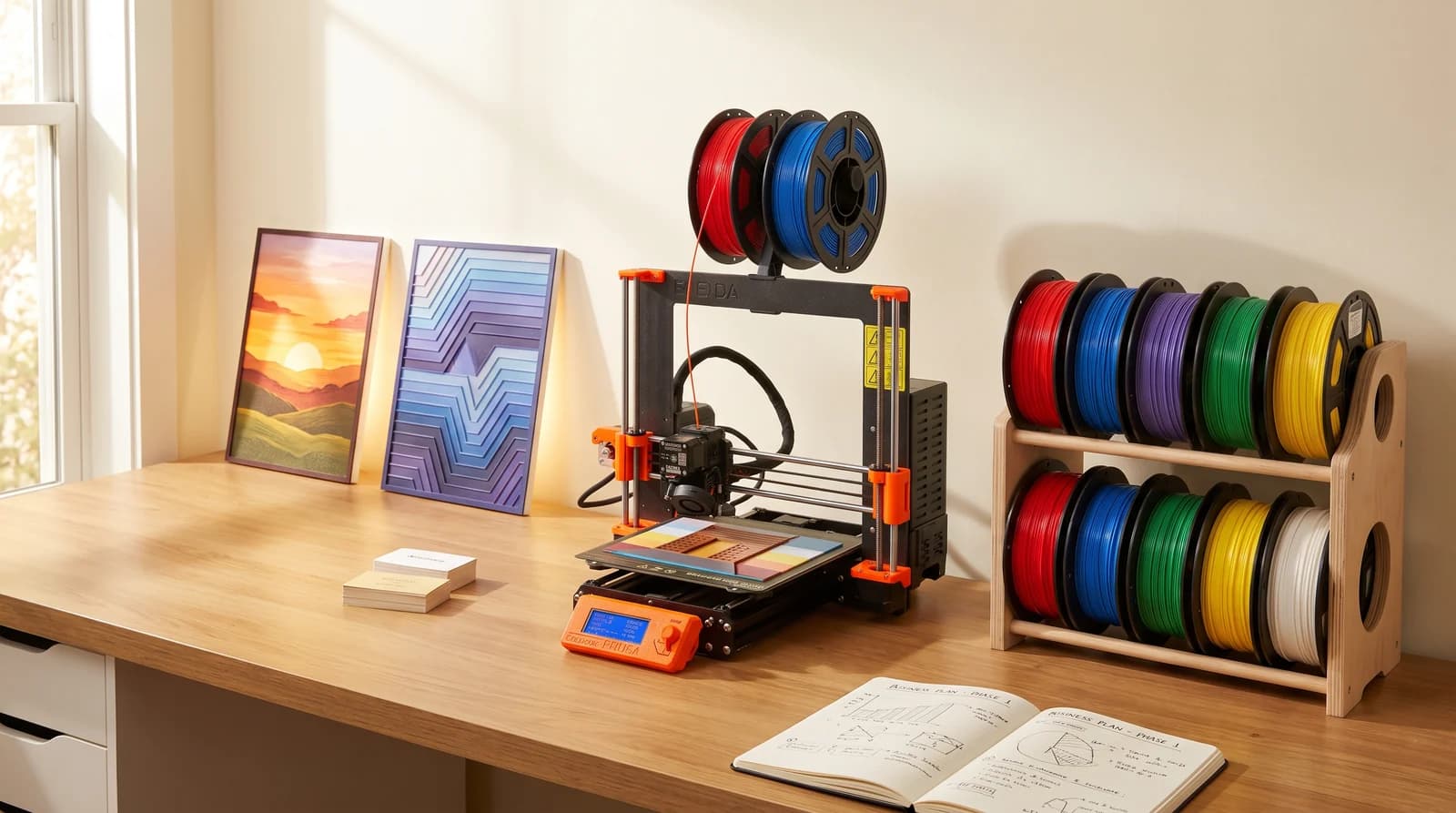
Here's the actual startup list. A versatile filament palette of six to ten colors. LED panels or simple frames to display the work (covered in How to Display 3D Printed Art at Home). Packaging that protects a print in a tote bag. Business cards or a small sign. And one channel to sell through — a craft-fair table fee or the small per-listing cost of an online shop. None of it is expensive.
What is expensive is the time nobody puts on the list: the hours spent dialing in prints, photographing them well, and building enough inventory to fill a table before you've earned a cent. Treat those hours as a real investment. If you pretend they were free, you'll price your work as if it were free too — and it wasn't.
Tip
A second printer is a growth decision, not a startup cost. Don't buy the farm before you have the demand to justify it — scale after the sales show up, not before.
What Are the Best 3D Printing Business Ideas for a HueForge Maker?
The strongest models are custom and commission work, a curated line of original wall art, small-format impulse products as a funnel, and — for the technically inclined — selling your own designs as digital files. Which one fits depends on whether your advantage is your printing or your design ability.
Custom and personalized work — a buyer's own pet, a family photo — is the highest-margin, lowest-competition option, and the hardest to scale because each piece is one of a kind. It's the premium tier, and a great place to start taking orders.
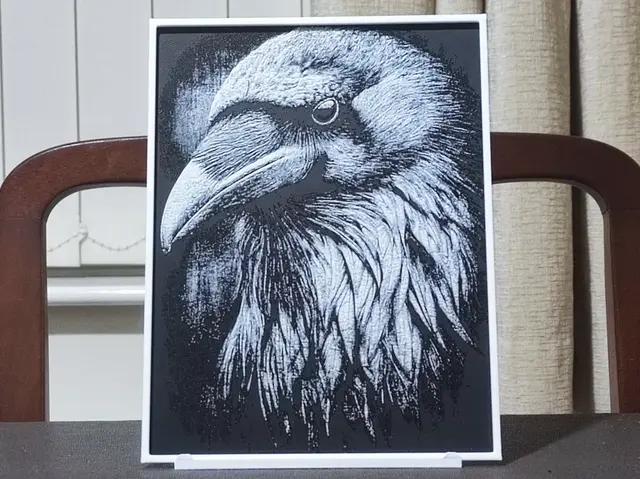
An original wall-art line means selling your own art as physical prints. It builds a recognizable brand and sidesteps the copyright problems that sink character-based shops. Slower to build, but it's yours.
A small-format impulse line — bookmarks, magnets, coasters — is the volume-and-foot-traffic play. It rarely makes the bulk of your money, but it funnels browsers toward the higher-margin work. Best 3D Prints to Sell goes deeper on which subjects actually move.
Selling digital designs is the outlier. If you can design in HueForge, selling your .3mf or .hfp files on MakerWorld, Patreon, or Etsy has almost no marginal cost per sale — but it's a different job. You're now competing on design quality and marketing, not printing.
The best model depends on your real advantage. If it's your printing, sell physical pieces. If it's your design skill, sell files. Most makers should start physical and local, because the feedback is faster and the barrier is lower — you learn what sells in an afternoon at a fair, not a quarter of watching listing analytics. (Worth naming your shop something you won't outgrow, too, but that's a rabbit hole for another day.)
How Do You Price 3D Printed Art?
Price on value and time, not material. A defensible floor is your material cost, plus a realistic hourly rate for the active labor, plus a share of overhead — then multiply for margin, and sanity-check the result against what comparable pieces actually sell for near you. For HueForge wall art, that lands well above what the filament weight alone would suggest.
Pricing off material cost is the classic trap. It anchors you to a $2 spool number and quietly erases the hours of design, filament swaps, and finishing that made the piece exist. Walk the real components instead: material (see The Hidden Cost of Filament for what a print truly costs once you count waste and failures), active labor, overhead like printer wear and failed prints and booth fees, and then margin on top.
A formula gives you a floor, not a price. The market sets the ceiling. If your local fair won't pay above $40 for a wall piece, that's information about your subjects and your audience — not a reason to drop your rate to zero. The deeper mechanics of pricing per channel live in How & Where to Sell 3D Prints.
This is general guidance, not financial advice. Tax obligations and business-registration rules depend on where you live and how much you sell — check your local requirements.
What Do You Need to Do This Legally?
Two separate issues. There are the business basics — registering as a seller, collecting and remitting sales tax, and any local permit for a craft-fair table — and there's intellectual property, which is where more maker shops get into trouble. Of the two, IP is the one that sinks people.
On the business side, keep it simple and local. Most places expect you to register as a seller and handle sales tax once you cross some threshold, and craft fairs often require a temporary vendor permit. The specifics vary too much by location for anyone to give you a single answer, so point yourself at your own state, province, or municipal rules.
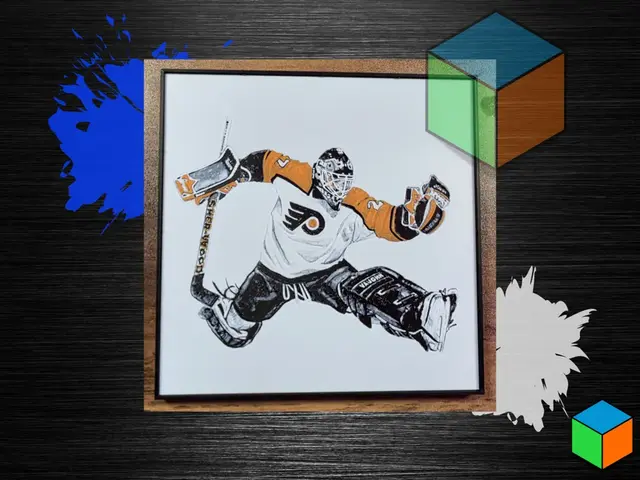
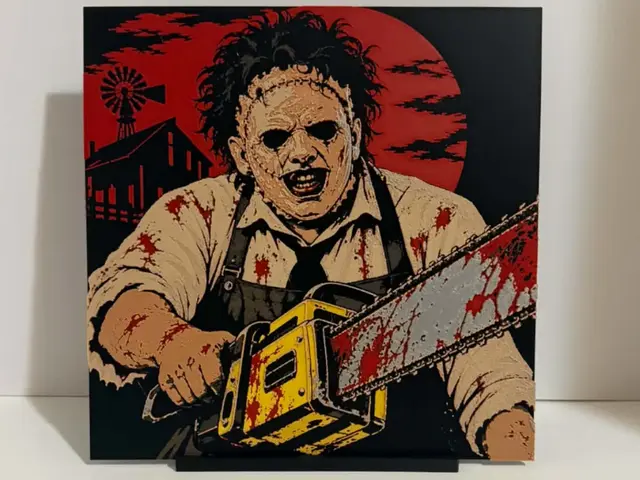
The IP side is the important one, and it's the same principle that runs through everything HuePick publishes about selling: a downloaded file — free or paid — does not grant you commercial rights to the underlying character. Selling prints of Pokémon, Marvel, Disney, or a team logo is infringement, and the risk grows exactly as your shop gets successful enough to be noticed.
Build on subjects you actually own
The safe ground is original art, public-domain and nature subjects, properly licensed source material, and customer-supplied images (commissions). We list plenty of licensed-character models in the catalog for printing, gifting, and display — but that's a different legal question from resale. If the goal is a business, don't build it on characters someone else owns. Best 3D Prints to Sell covers the safe-versus-risky subject line in detail.
None of this is legal advice — intellectual-property and business law vary by country and situation. Before you build a shop around anything you didn't create, get a real lawyer's read.
What Does a Realistic First 90 Days Look Like?
Weeks 1–4: pick three to five original or clearly-safe subjects and dial in the prints. Weeks 5–8: build a small inventory across price tiers — impulse items plus wall art — photograph it well, and set your pricing. Weeks 9–12: sell through one channel, gather feedback, and double down on what actually moves.
The plan is deliberately narrow — one product focus, one channel — because that's what keeps you from drowning. The first 90 days isn't about maximizing revenue; it's about learning what your buyers want with as little wasted filament as possible. A tight loop of print, sell, listen, adjust will teach you more than any amount of planning.
It will feel slow, and that's the point. Makers who launch on five platforms with forty different products burn out before they ever learn what sells. Narrow first, then scale the winners. When you're ready to choose that first channel — a local fair, an online shop, or consignment — How & Where to Sell 3D Prints walks through the trade-offs.
Where to Go From Here
The plan only works if you're printing the right things, so start with Best 3D Prints to Sell — which subjects convert, and which ones you can't legally sell. Once you know what to make, How & Where to Sell 3D Prints covers the Etsy-versus-fair-versus-local decision and the pricing depth.
Two supporting guides round it out: The Hidden Cost of Filament gives you the real per-print number your pricing depends on, and Displaying & Photographing HueForge Prints covers the booth lighting, framing, and listing photos that make a piece sell on the table. When you want subjects to print, browse the catalog — remembering that printable and sellable aren't always the same list.
You already own the hard part. The rest is choosing well and pricing like your time counts.