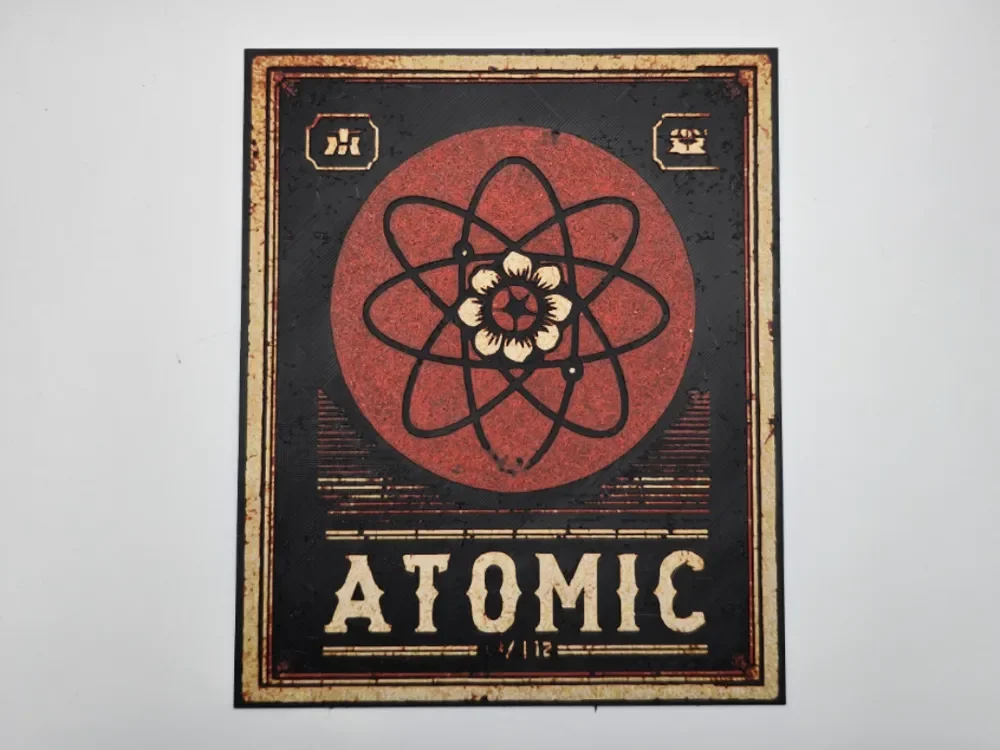
Atomic retro
by Kactus Fpv
Nostalgic atomic imagery radiates from this striking mid-century inspired design, where orbiting electrons dance around a stylized nucleus in perfect symmetry. Bold red and cream tones pop against the deep black background, while weathered textures and vintage typography evoke the optimistic atomic age of the 1950s. The geometric precision and retro aesthetic capture an era when science symbolized infinite possibility.
View on MakerWorldRequired Filaments5
Bambu Lab Basic Black
Bambu Lab Basic Jade White
Bambu Lab Basic Red
Bambu Lab Basic Yellow
Generic Black
Why filament details may vary
Filament details (brand, color, and TD value) may not exactly match the designer's original specification. In some cases, the designer didn't specify exact filaments and we've matched the closest options we could find. Always check the original listing for full details.
Some filament links are affiliate links — we may earn a small commission at no extra cost to you. Learn more
Sign up to track your filament inventory and check your matches.
Create accountYou Might Also Like
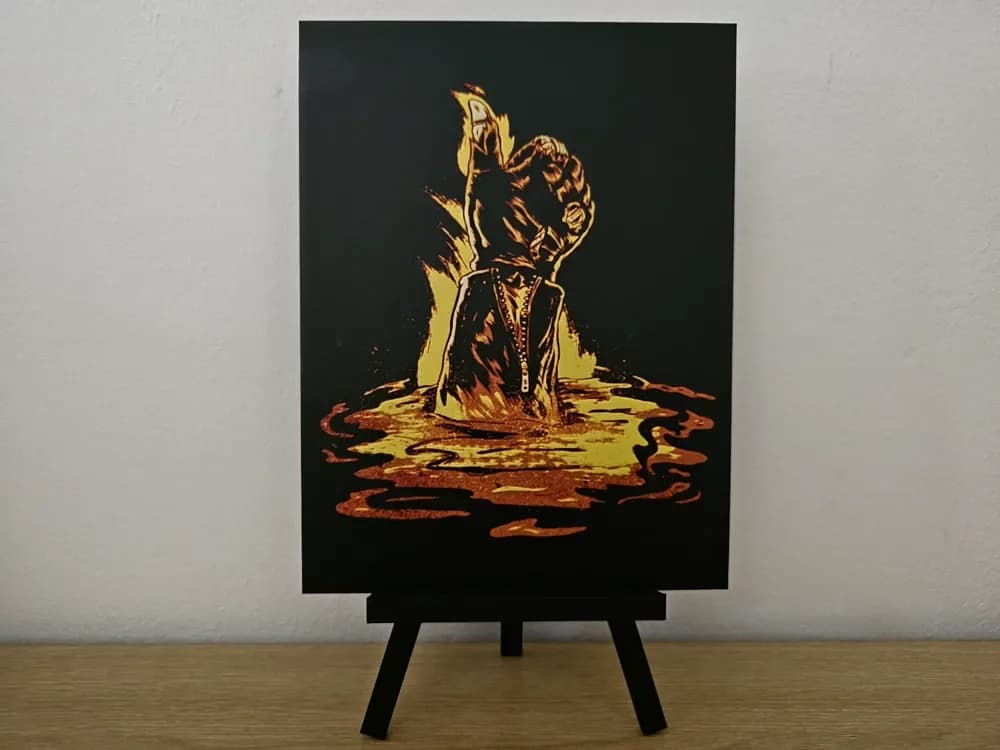
Terminator: The Final Thumbs Up Hueforge
by Opao
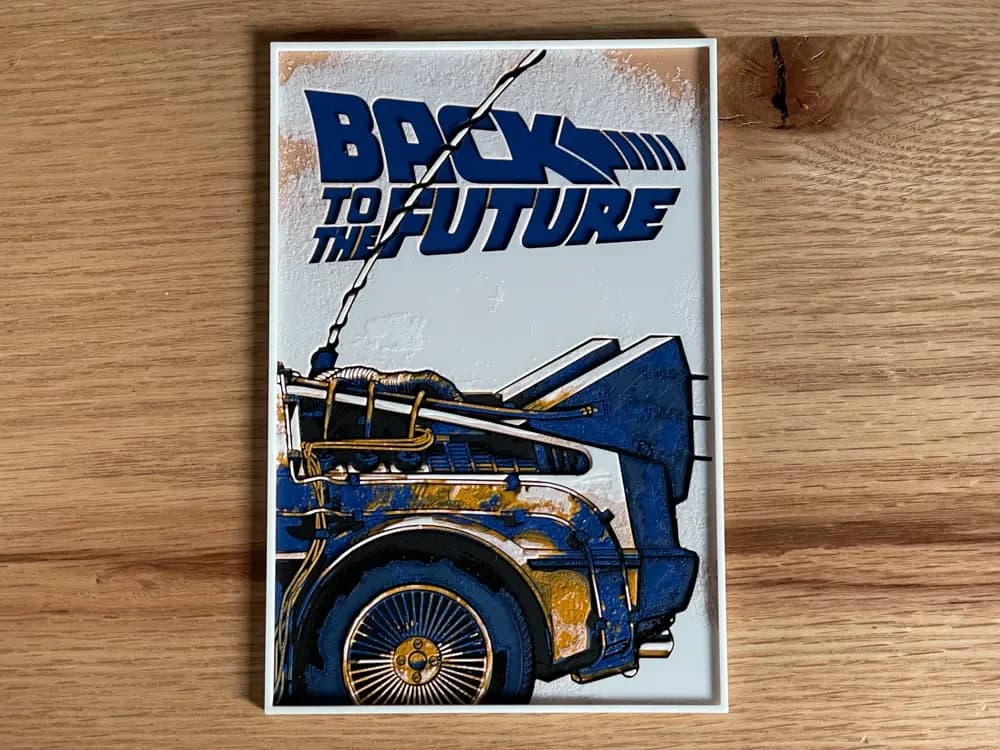
Back To The Future (1985) Hueforge Movie Poster
by NiiON
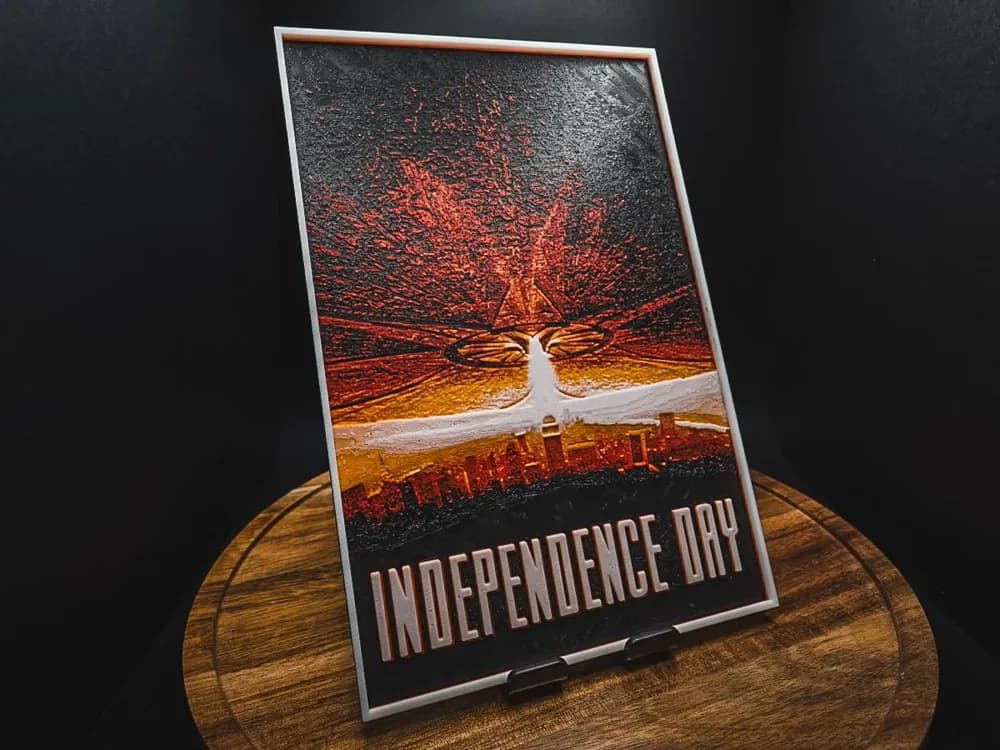
Independence Day (Movie Poster - HueForge)
by HugheCraft
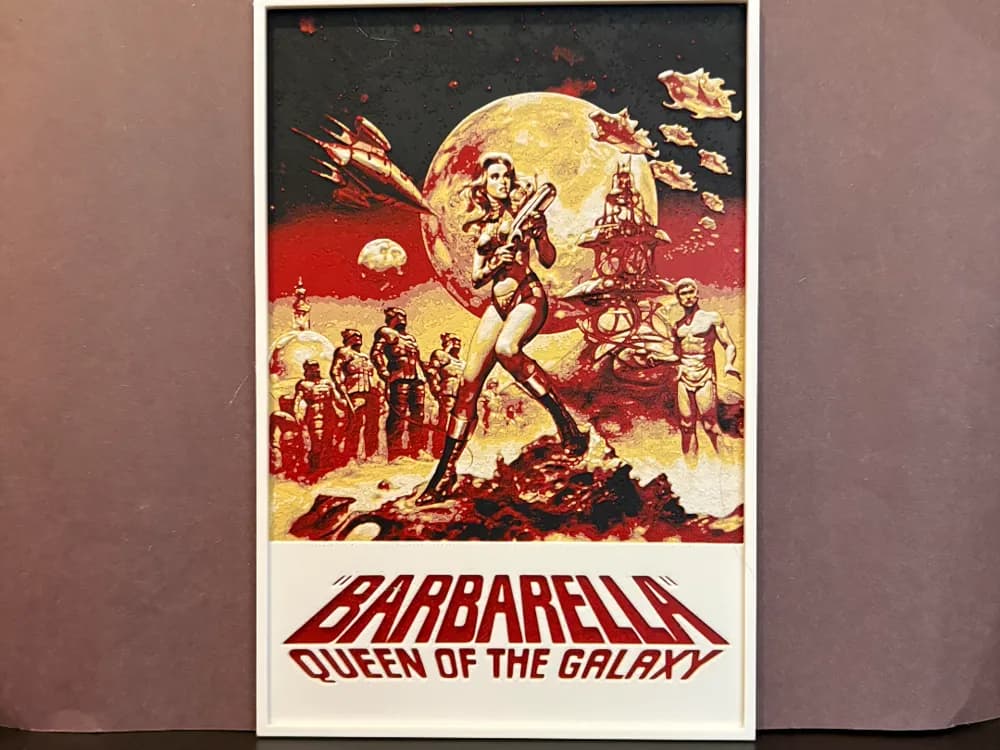
Barbarella Queen of the Galaxy Hueforge
by Estiv
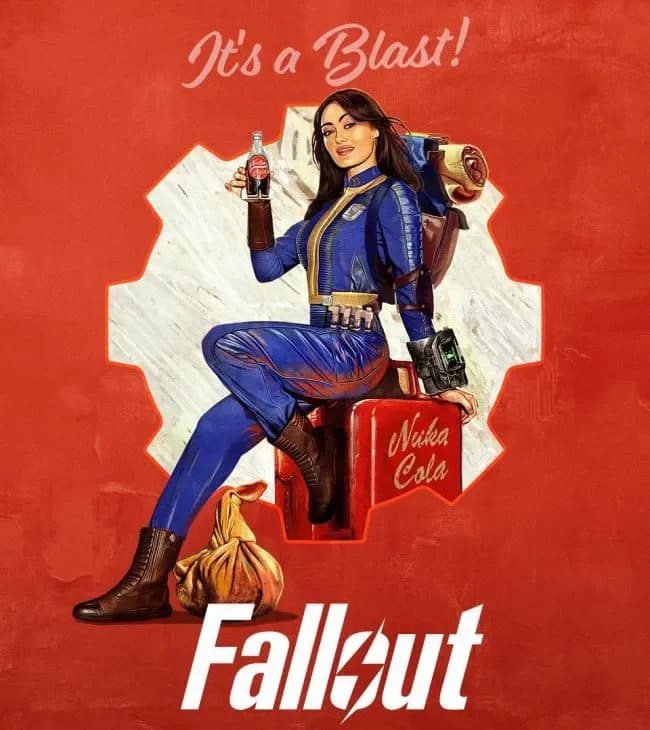
Fallout - Hueforge
by suaimondi
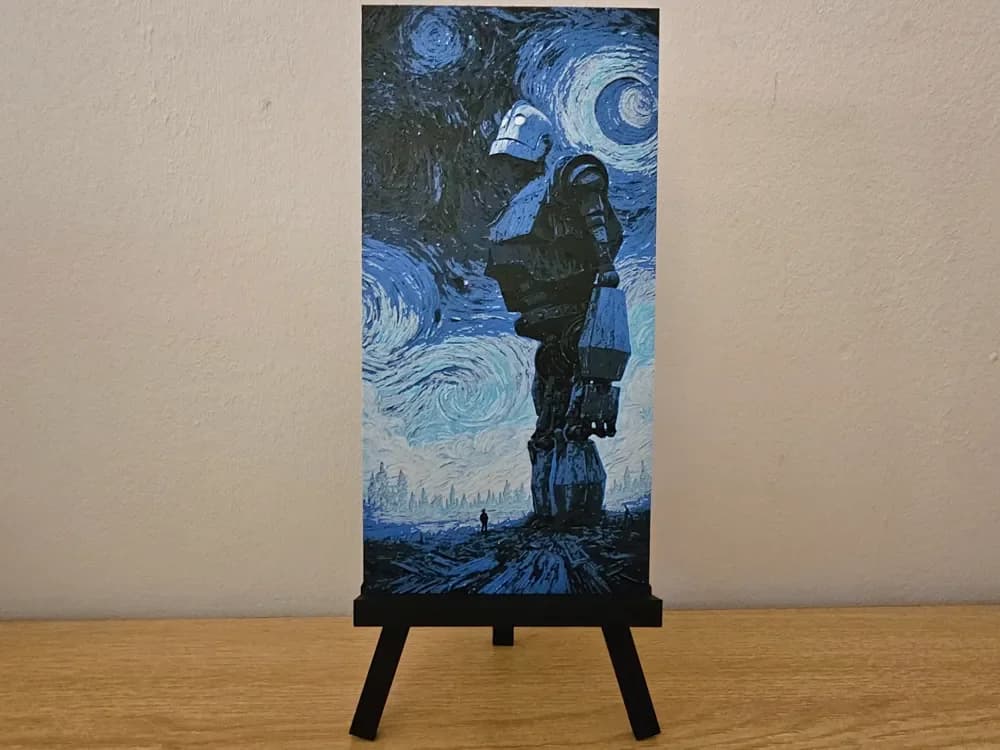
The Iron Giant Hueforge
by Opao
Recent Articles
View all
Best Anime 3D Prints for HueForge: From Shōnen Classics to the Modern Wave
The best anime 3D prints to make as HueForge filament paintings — One Piece, Naruto, Dragon Ball, Demon Slayer, Jujutsu Kaisen, Frieren, Gundam, and anime bookmarks, each linked in the HuePick catalog.
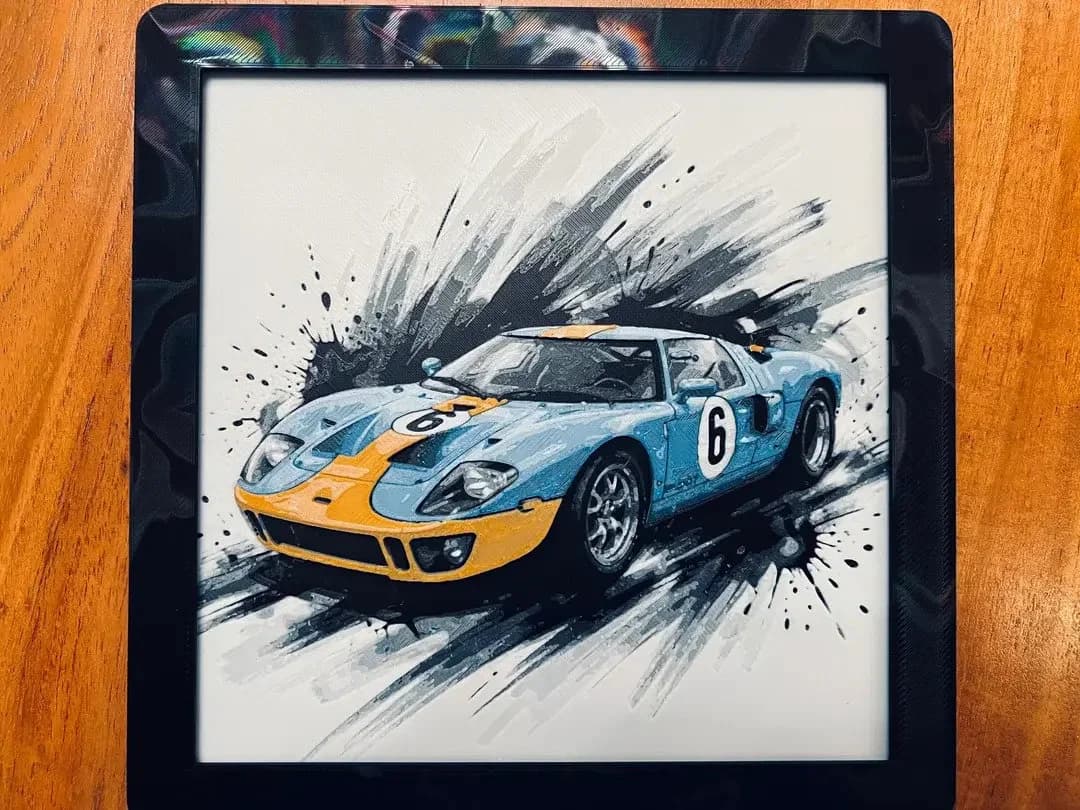
Best Car 3D Prints for HueForge: From Japanese Icons to Movie Cars
The best car 3D prints to make as HueForge filament paintings — JDM legends, supercars, American muscle, F1 and rally posters, and movie icons like the DeLorean, each linked in the HuePick catalog.
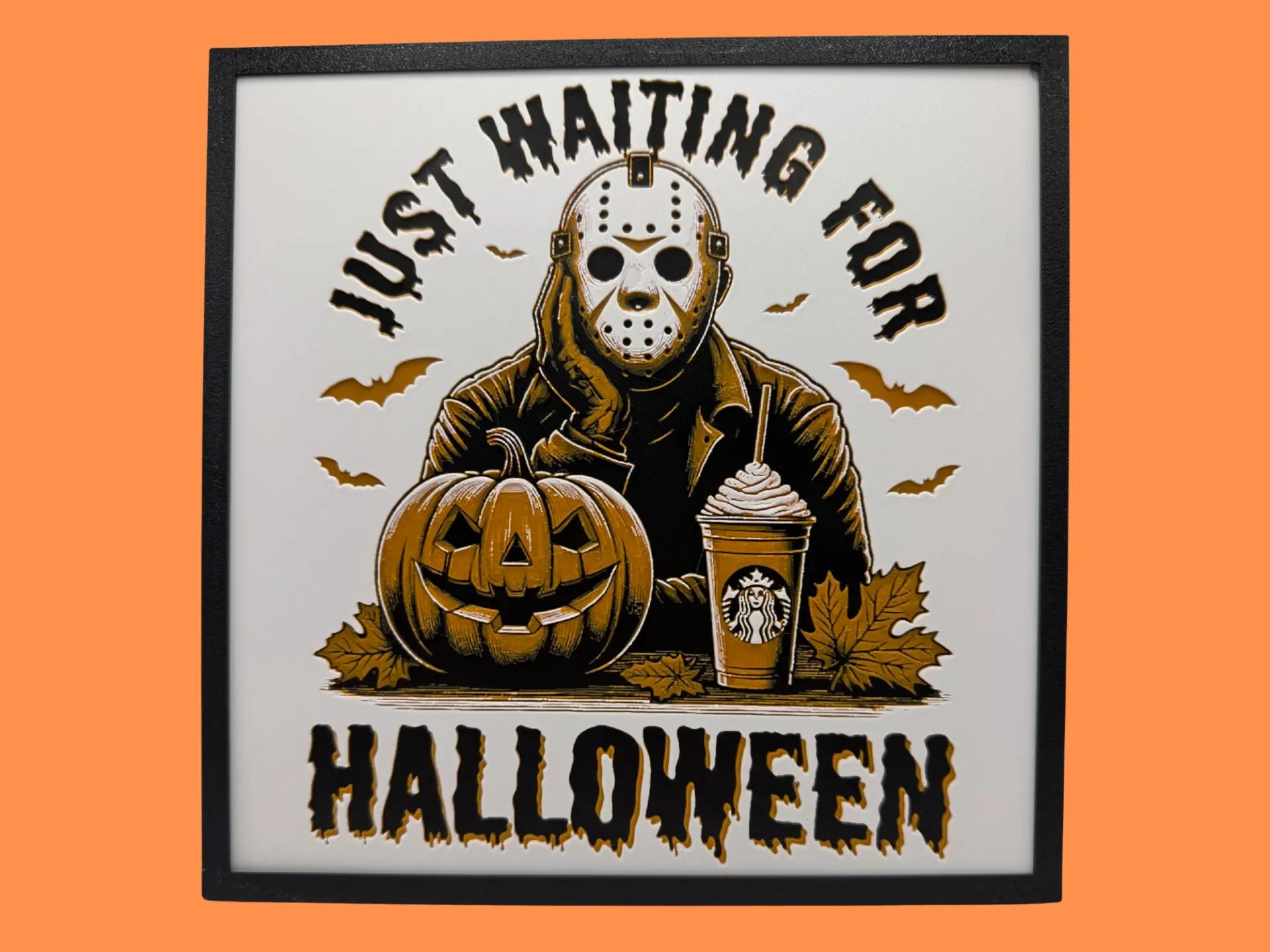
Best Halloween & Horror 3D Prints for HueForge: Slashers, Skulls & Spooky Wall Art
The Halloween 3D prints worth making as HueForge filament paintings — horror movie posters, Ghostface and Pennywise, skulls, pumpkins, spooky Pokemon, and bookmarks, grouped by theme.