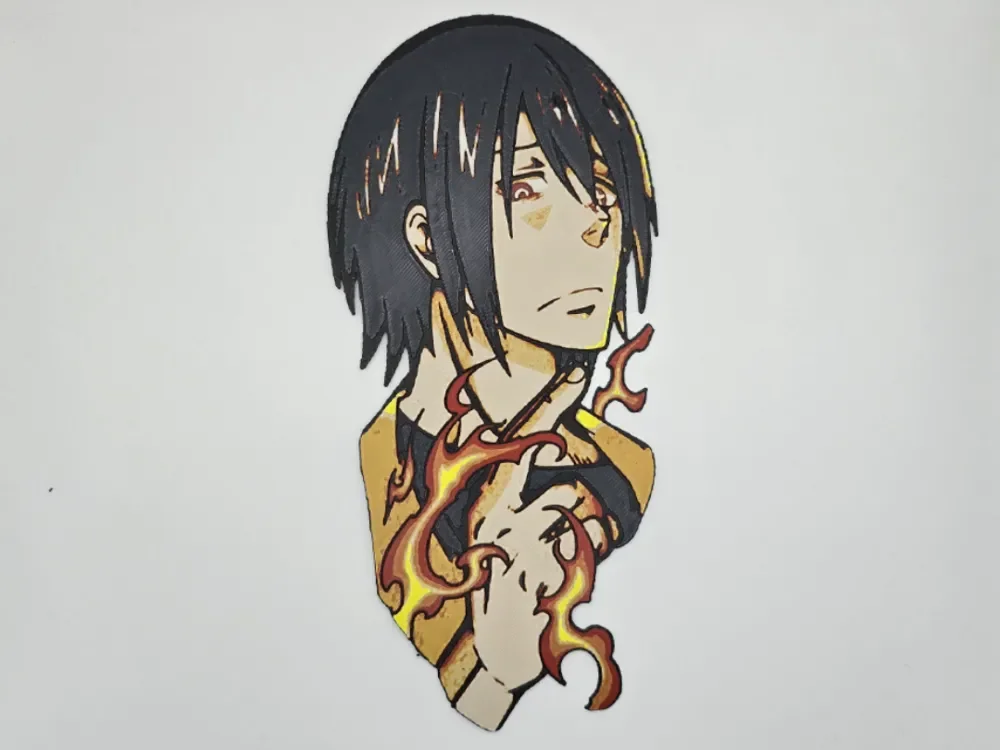
Benimaru Fire Force
by Kactus Fpv
Flames dance around the stoic fire soldier in this striking anime-inspired artwork. Benimaru's characteristic dark hair frames his intense expression, while ribbons of orange and red fire spiral dramatically through the composition. The warm palette of golds, crimsons, and deep shadows creates a sense of controlled power and supernatural heat, perfectly capturing the essence of Fire Force's pyrokinetic commander.
View on MakerWorldRequired Filaments5
Bambu Lab Basic Blue Gray
Bambu Lab Basic Red
Bambu Lab Basic Yellow
Bambu Lab Basic Jade White
Generic Black
Why filament details may vary
Filament details (brand, color, and TD value) may not exactly match the designer's original specification. In some cases, the designer didn't specify exact filaments and we've matched the closest options we could find. Always check the original listing for full details.
Some filament links are affiliate links — we may earn a small commission at no extra cost to you. Learn more
Sign up to track your filament inventory and check your matches.
Create accountYou Might Also Like
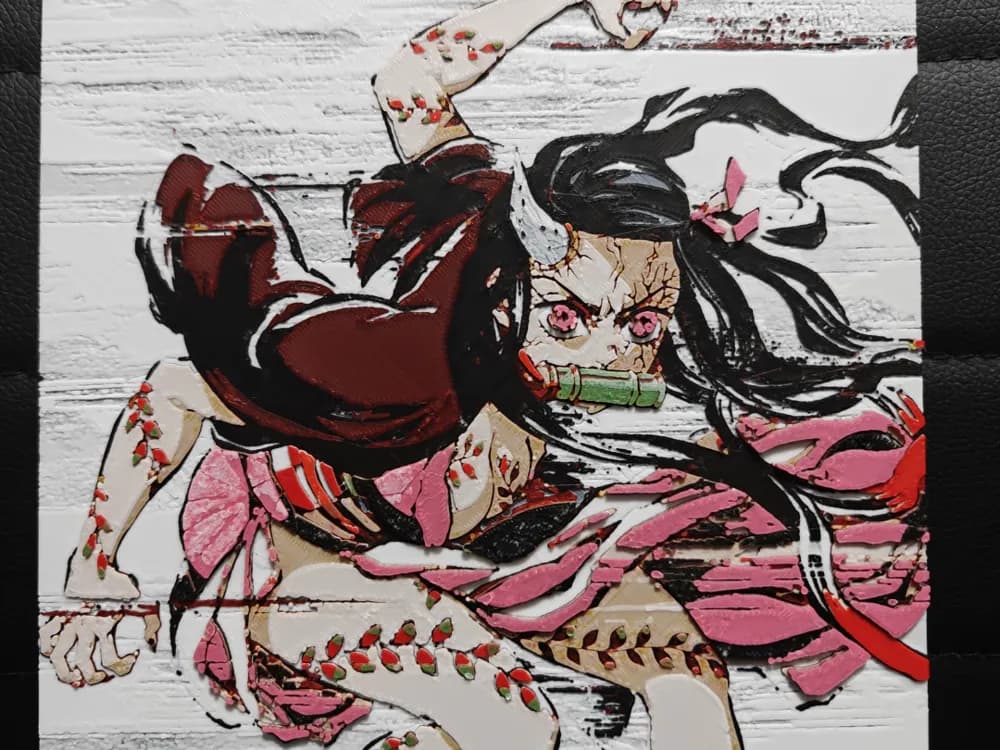
Nezuko Kamado Fighting
by TheHueforgeLady
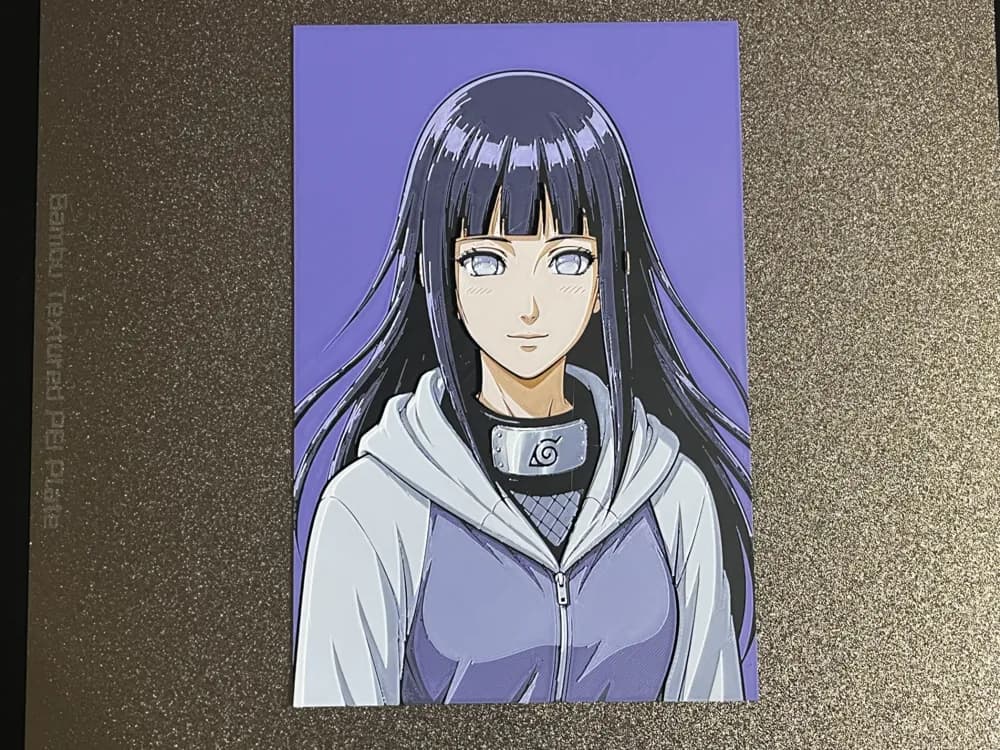
Hinata Hyuga Naruto Hueforge
by FantasyZ
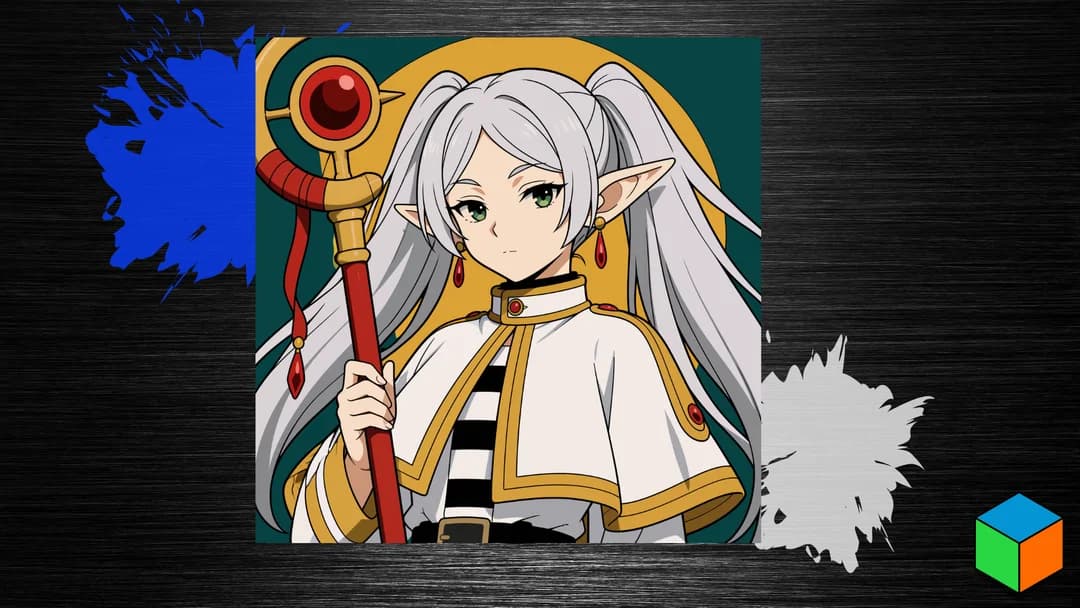
Frieren in 8 Filaments — September’s Second Poster Drop
by 3D Prints By Vic
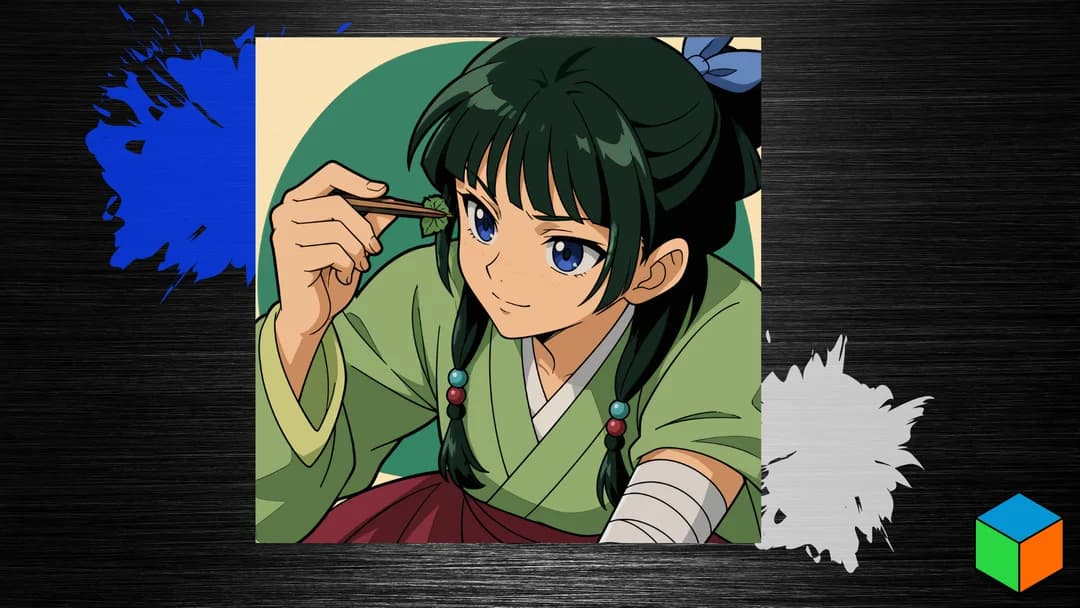
Maomao in 8 Filaments — This Week’s Patreon Poster
by 3D Prints By Vic
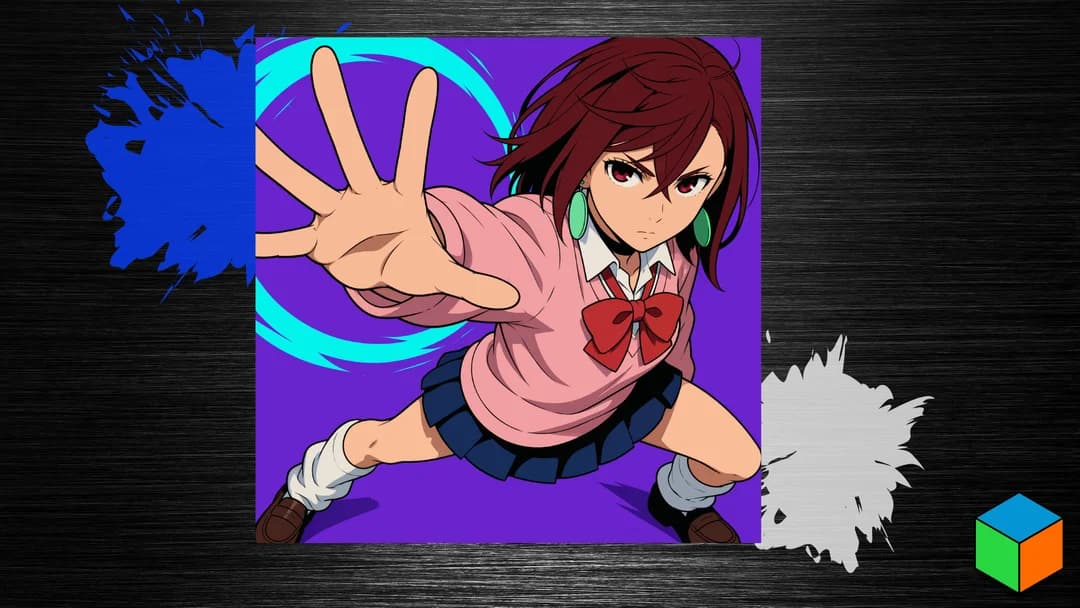
Momo Ayase in 10 Filaments — New Patreon Poster
by 3D Prints By Vic
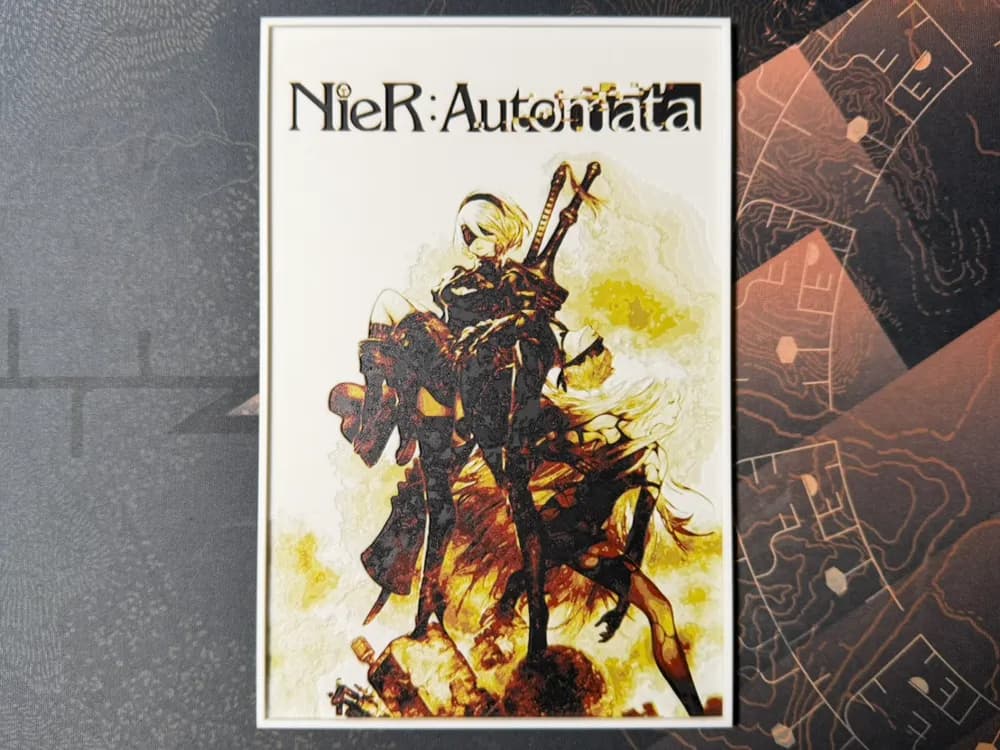
Nier Automata - HueForge
by ZorPrime7
Recent Articles
View all
Best Halloween & Horror 3D Prints for HueForge: Slashers, Skulls & Spooky Wall Art
The Halloween 3D prints worth making as HueForge filament paintings — horror movie posters, Ghostface and Pennywise, skulls, pumpkins, spooky Pokemon, and bookmarks, grouped by theme.
Best Classic Saturday Morning Cartoon STL Files for HueForge
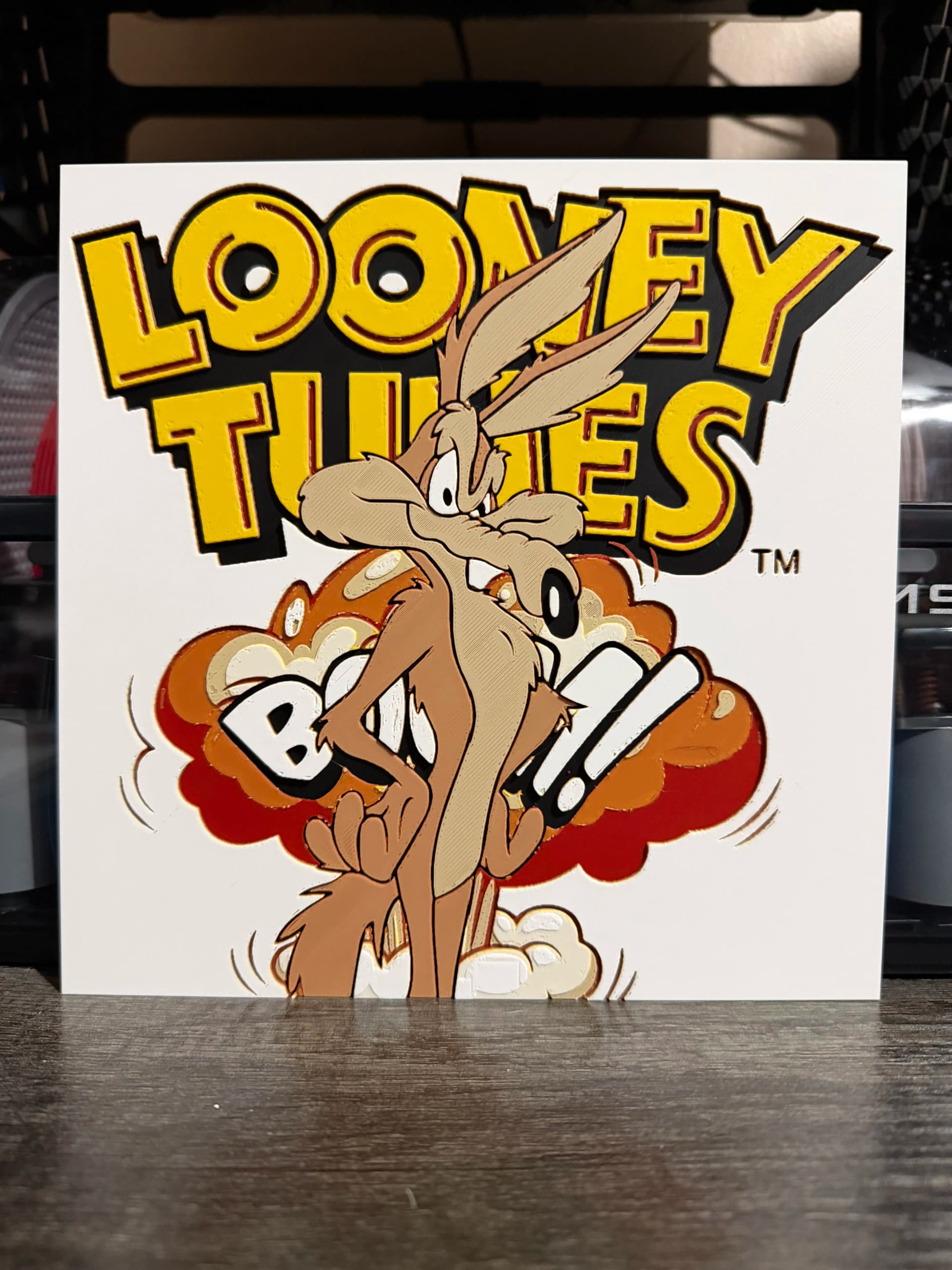
The best classic Saturday morning cartoon STL files for HueForge — Scooby-Doo, Looney Tunes, Transformers, He-Man, TMNT and more, as bold filament wall art.
3D Printing Business Name Ideas (and How to Pick One That Lasts)
3D printing business name ideas grouped by style — descriptive, filament-themed, clever, and premium — plus naming principles and how to check a name is free to use.