
Buffalo Bills 50 x 150mm Bookmark
by MythicHue's
Bold red, white, and blue splashes create an explosive paint-dripped effect around the iconic Buffalo Bills logo in this dynamic bookmark design. The team's charging buffalo emblem takes center stage against dramatic color bursts that seem to leap off the surface. MythicHue's energetic composition captures the raw power and passion of Bills Mafia through its striking paint-splash aesthetic and patriotic color scheme.
View on MakerWorldRequired Filaments3
Bambu Lab Basic Jade White
Bambu Lab Basic Maroon Red
Bambu Lab Basic Cobalt Blue
Why filament details may vary
Filament details (brand, color, and TD value) may not exactly match the designer's original specification. In some cases, the designer didn't specify exact filaments and we've matched the closest options we could find. Always check the original listing for full details.
Some filament links are affiliate links — we may earn a small commission at no extra cost to you. Learn more
Sign up to track your filament inventory and check your matches.
Create accountYou Might Also Like
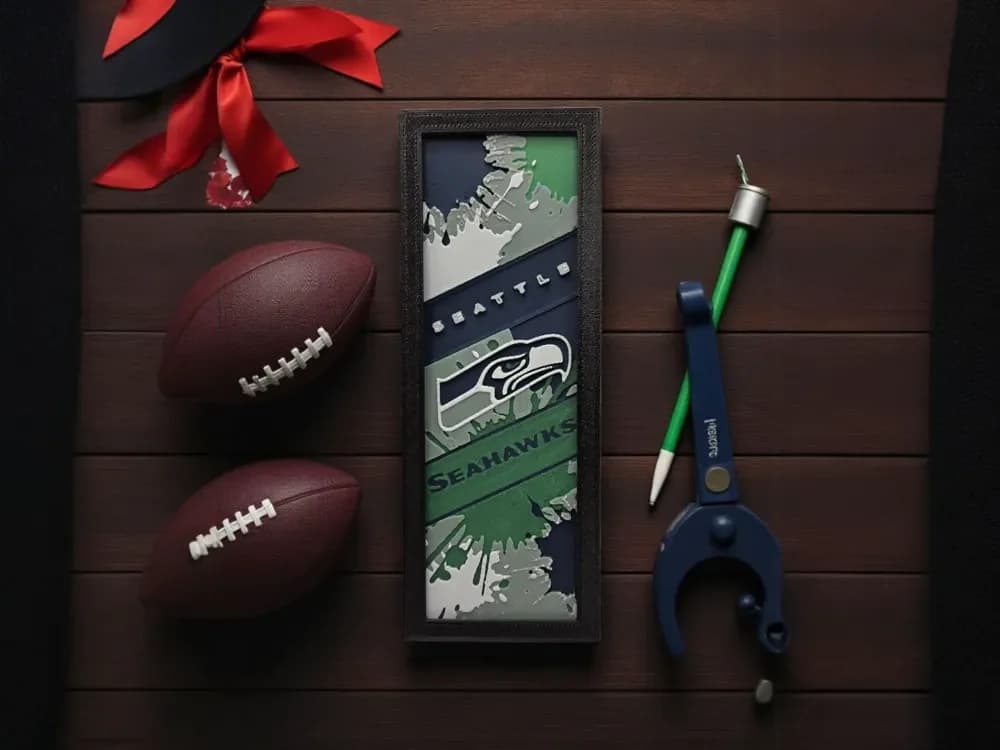
Seahawks 50mm x 150mm Bookmark
by MythicHue's
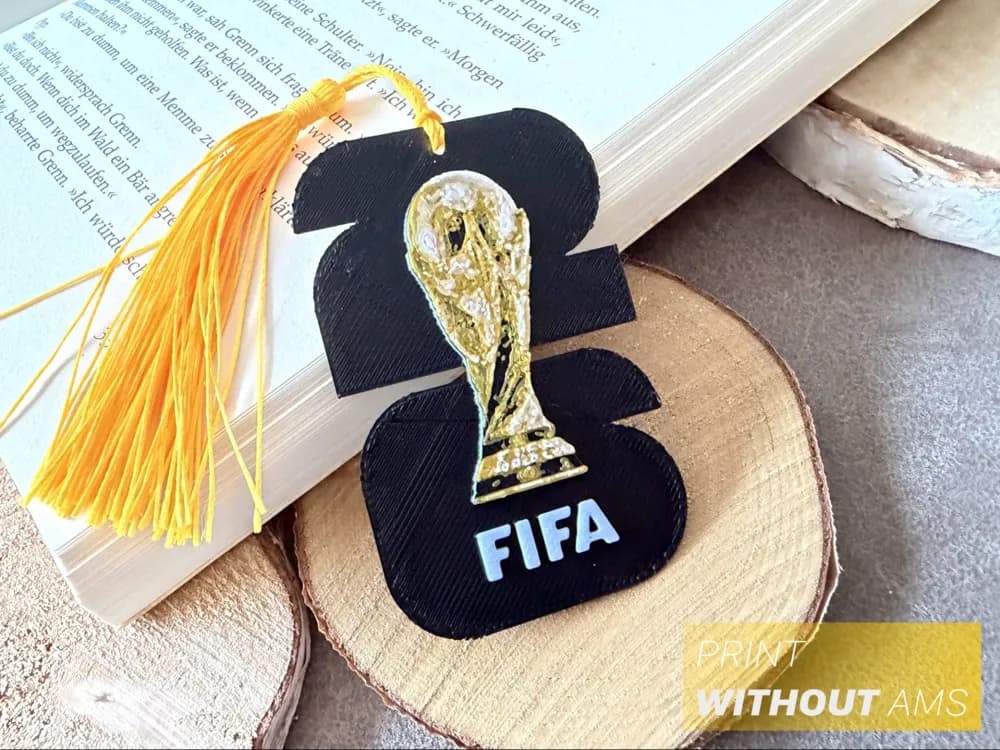
World Cup Mini Bookmark - Keychain
by Loupes

Bookmark, Soccer Coach. Football. Hueforge
by Dame Jo

Bookmark, Baseball Coach, Hueforge.
by Dame Jo
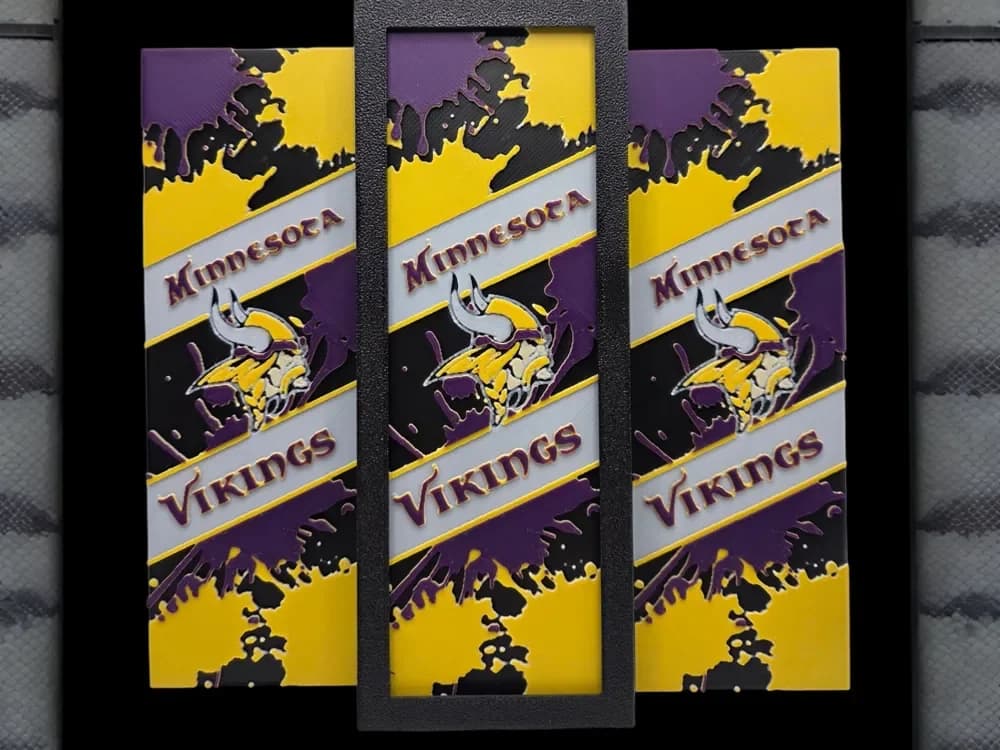
Minnesota Vikings 50x150mm Bookmark
by MythicHue's
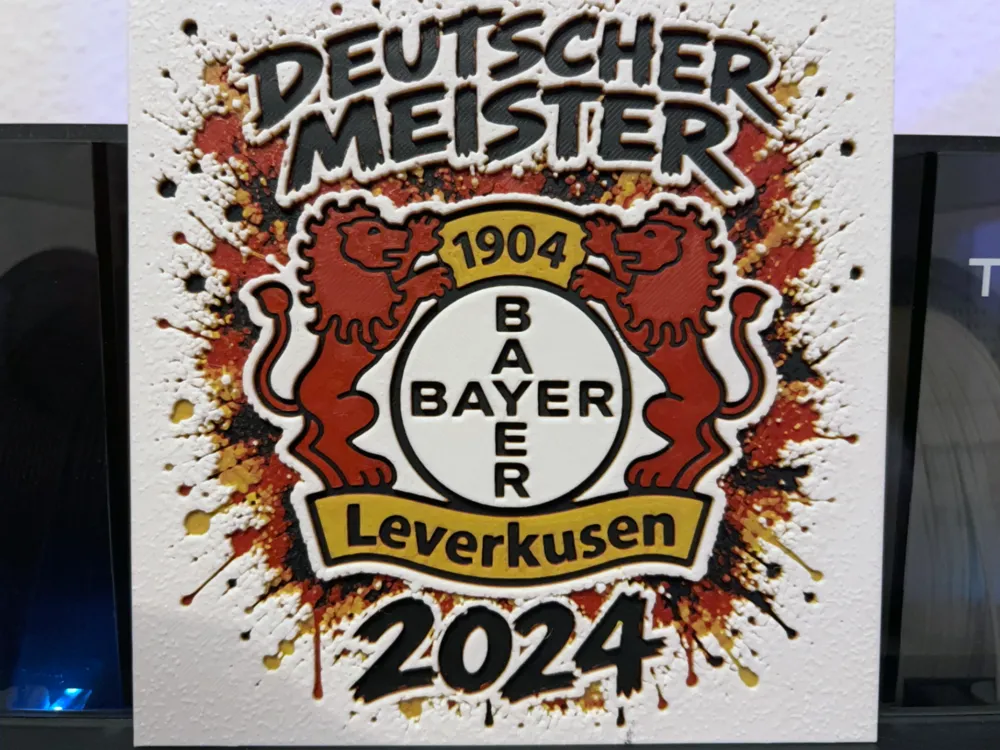
Bayer 04 Leverkusen Champion 2024 Graffiti Hueforge
by Reeftank&more
Recent Articles
View all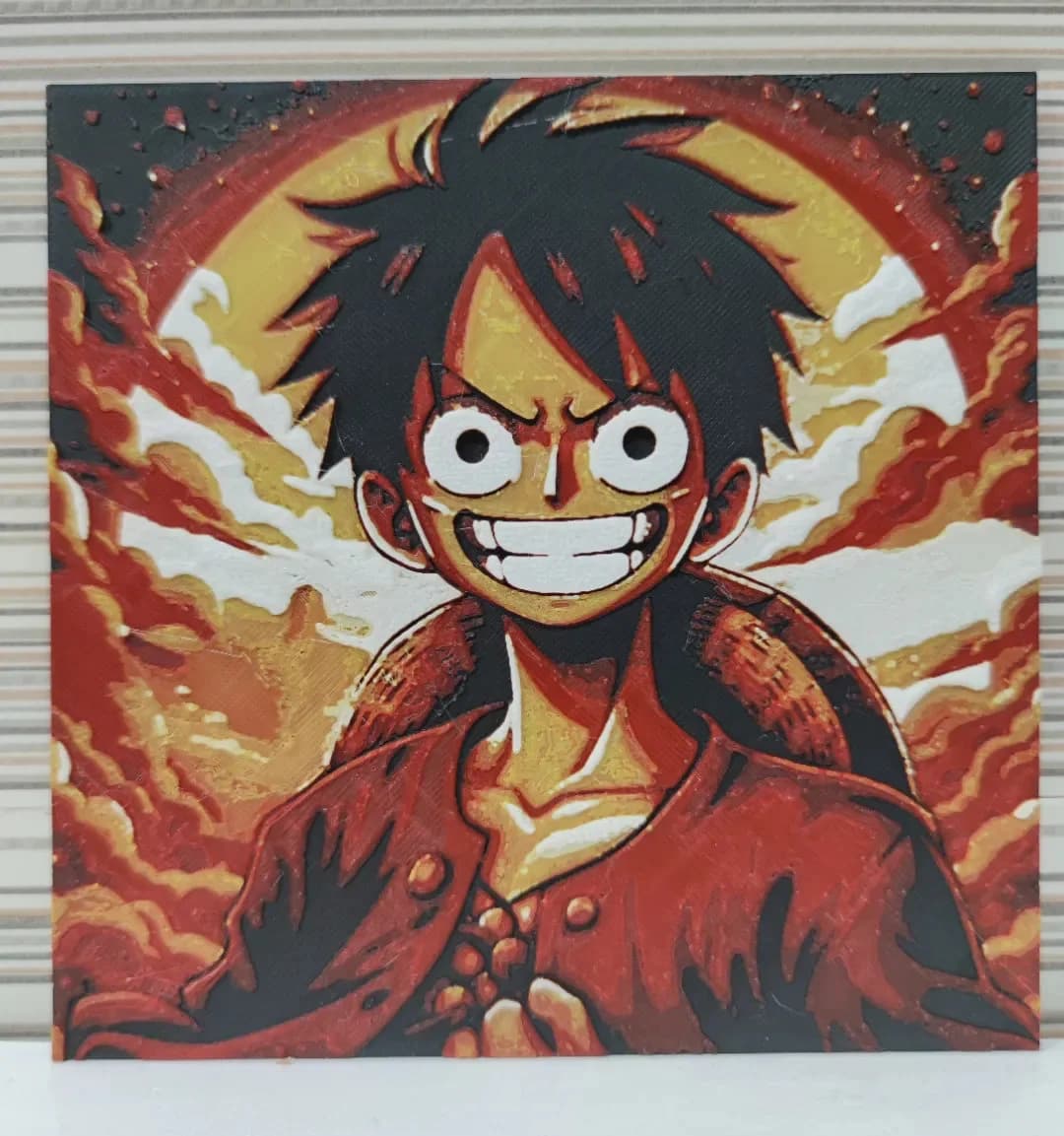
Best Anime 3D Prints for HueForge: From Shōnen Classics to the Modern Wave
The best anime 3D prints to make as HueForge filament paintings — One Piece, Naruto, Dragon Ball, Demon Slayer, Jujutsu Kaisen, Frieren, Gundam, and anime bookmarks, each linked in the HuePick catalog.
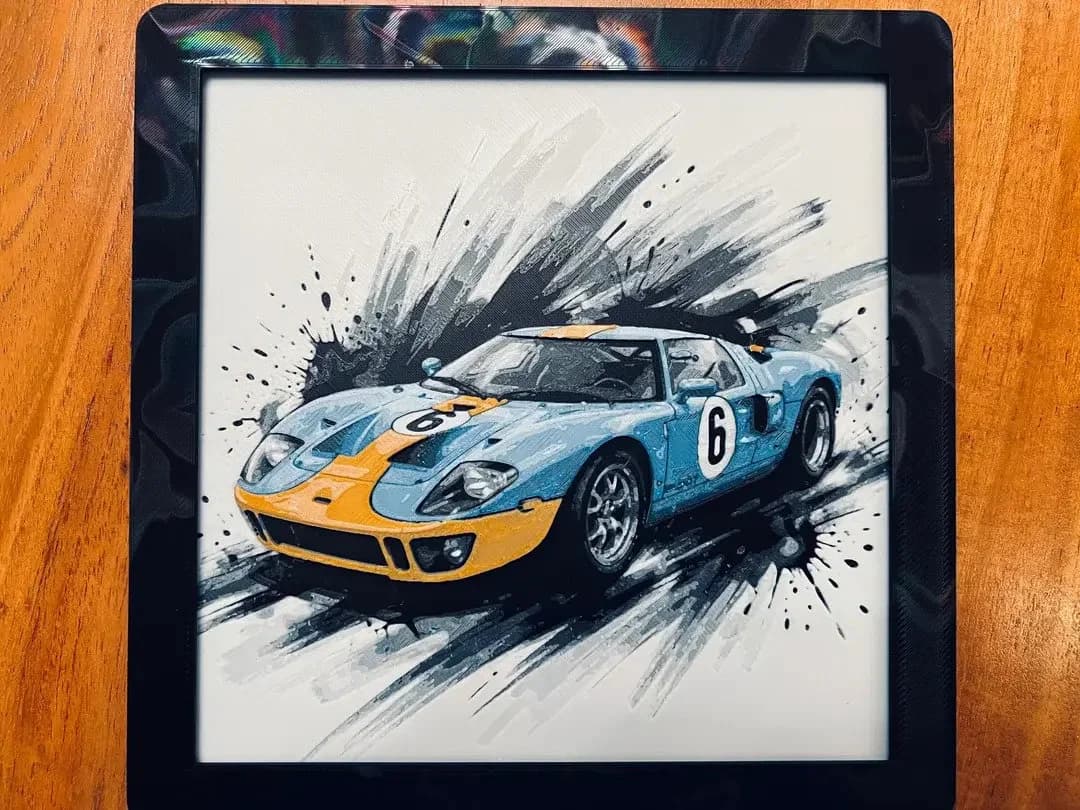
Best Car 3D Prints for HueForge: From Japanese Icons to Movie Cars
The best car 3D prints to make as HueForge filament paintings — JDM legends, supercars, American muscle, F1 and rally posters, and movie icons like the DeLorean, each linked in the HuePick catalog.
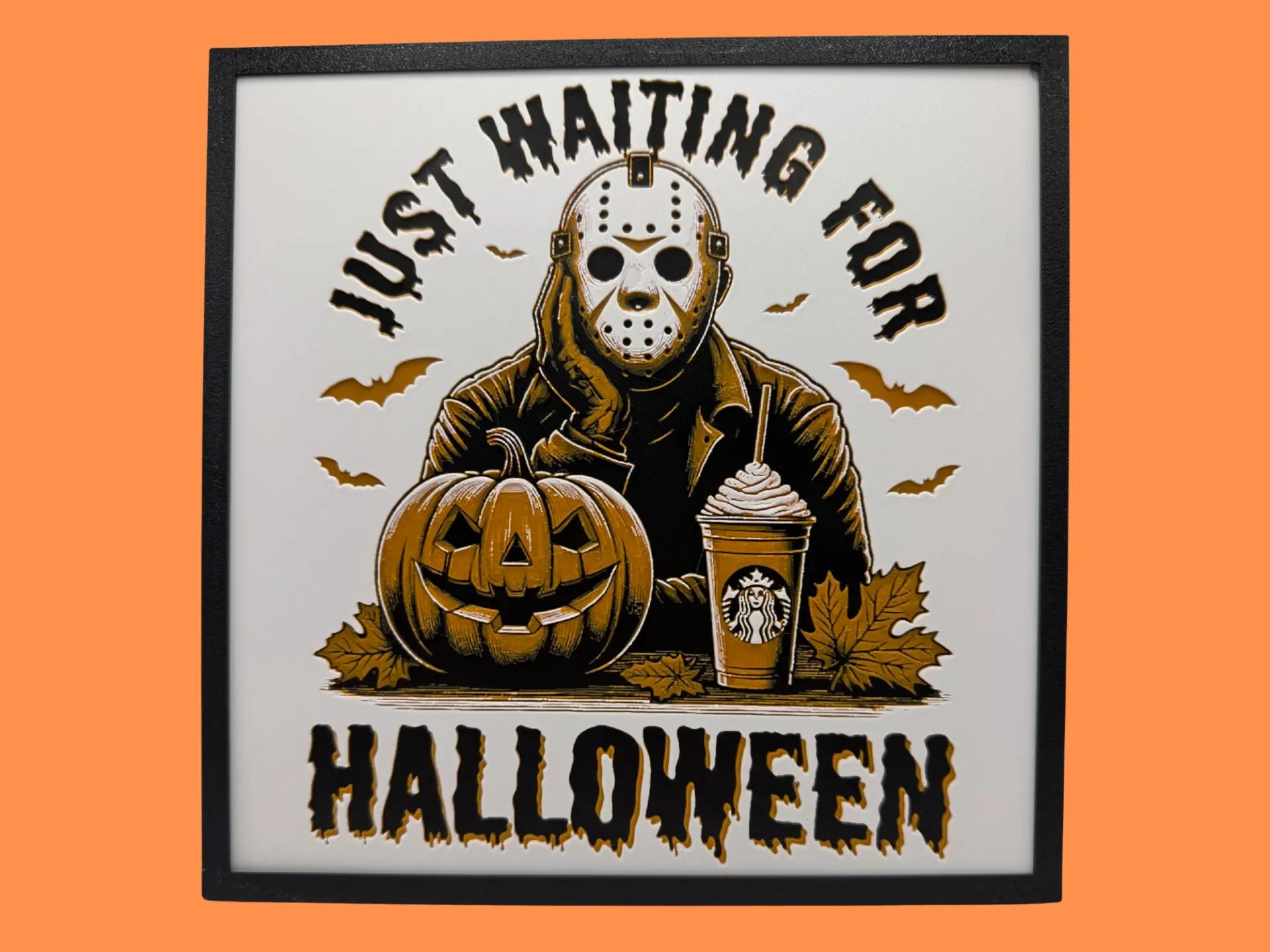
Best Halloween & Horror 3D Prints for HueForge: Slashers, Skulls & Spooky Wall Art
The Halloween 3D prints worth making as HueForge filament paintings — horror movie posters, Ghostface and Pennywise, skulls, pumpkins, spooky Pokemon, and bookmarks, grouped by theme.