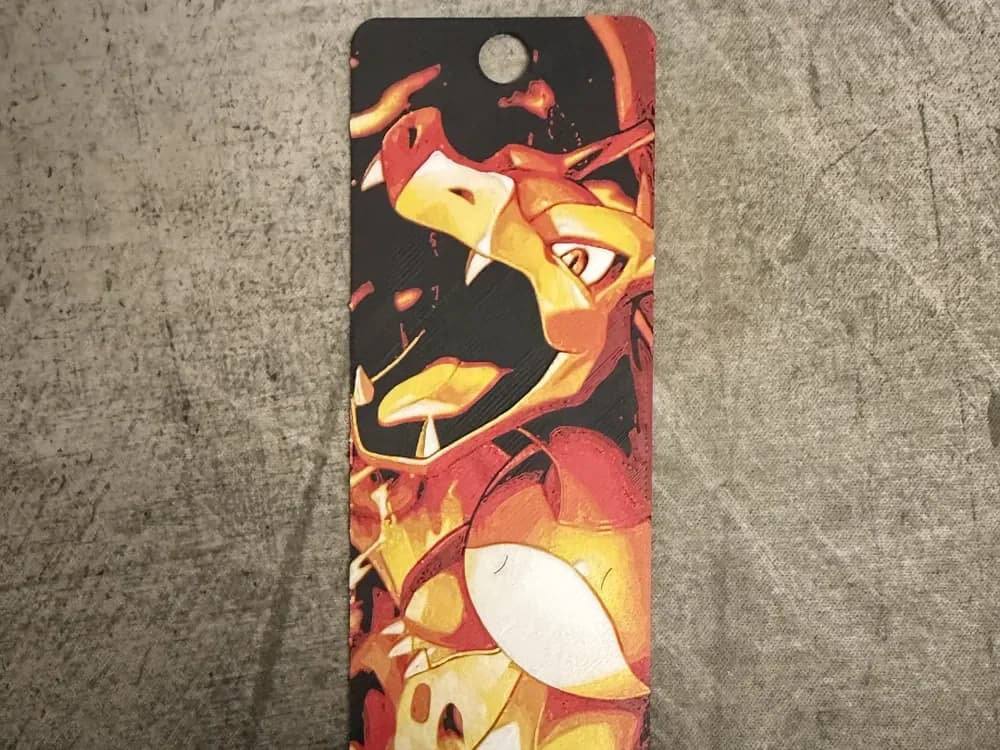
Charizard Bookmark
by Loupes
Fiery orange and crimson flames dance across this striking tribute to the beloved fire-type Pokémon. Charizard's fierce expression emerges through dramatic shadows and highlights, with his iconic cream-colored belly contrasting beautifully against the intense warm palette. The composition captures the dragon's powerful presence through bold geometric forms and flowing flame effects that seem to leap from the surface, creating a perfect collectible for any Pokémon enthusiast.
View on MakerWorldRequired Filaments4
Bambu Lab Basic Black
Bambu Lab Basic Jade White
Bambu Lab Basic Sunflower Yellow
Bambu Lab Basic Red
Why filament details may vary
Filament details (brand, color, and TD value) may not exactly match the designer's original specification. In some cases, the designer didn't specify exact filaments and we've matched the closest options we could find. Always check the original listing for full details.
Some filament links are affiliate links — we may earn a small commission at no extra cost to you. Learn more
Sign up to track your filament inventory and check your matches.
Create accountYou Might Also Like
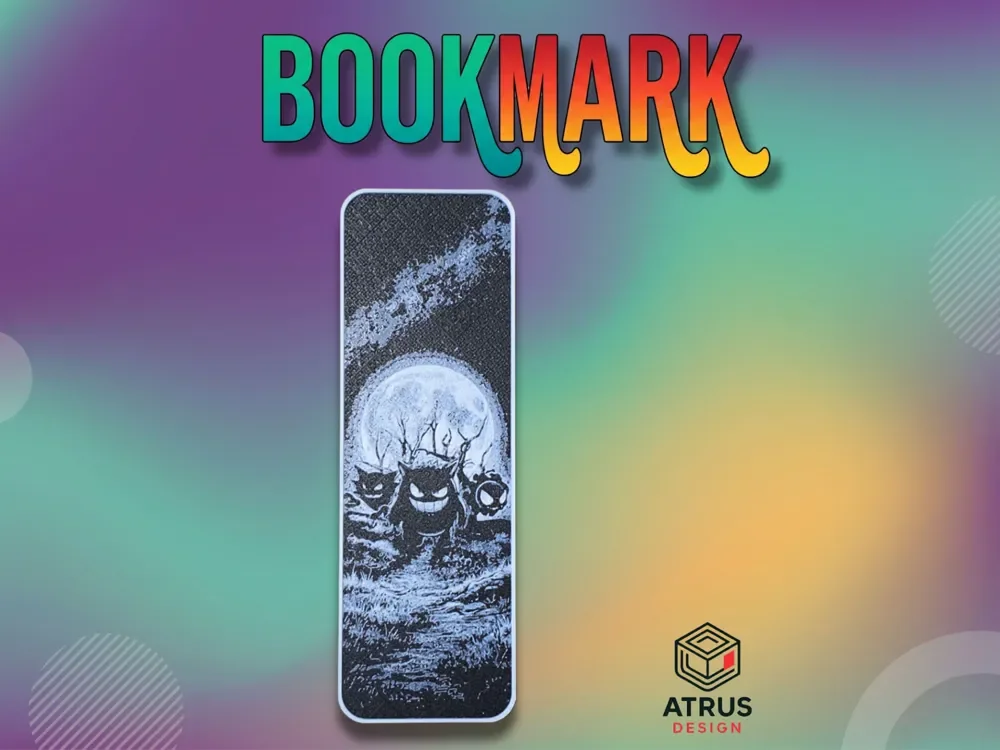
Gengar Bookmark
by Atrus Design
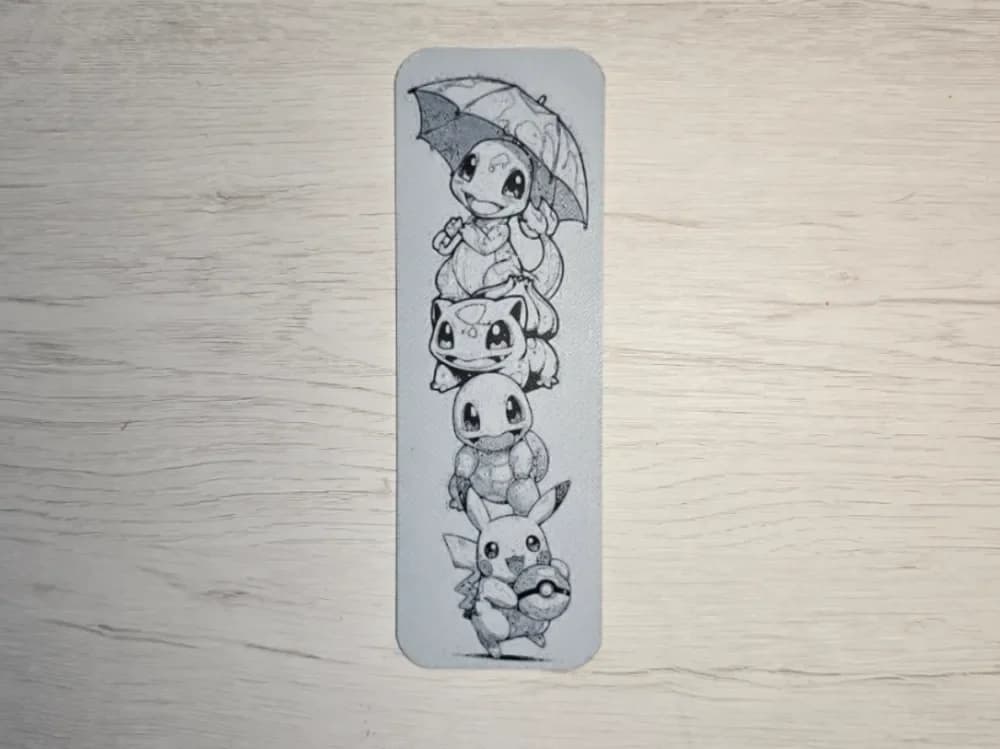
Pokemon Bookmark
by Atrus Design
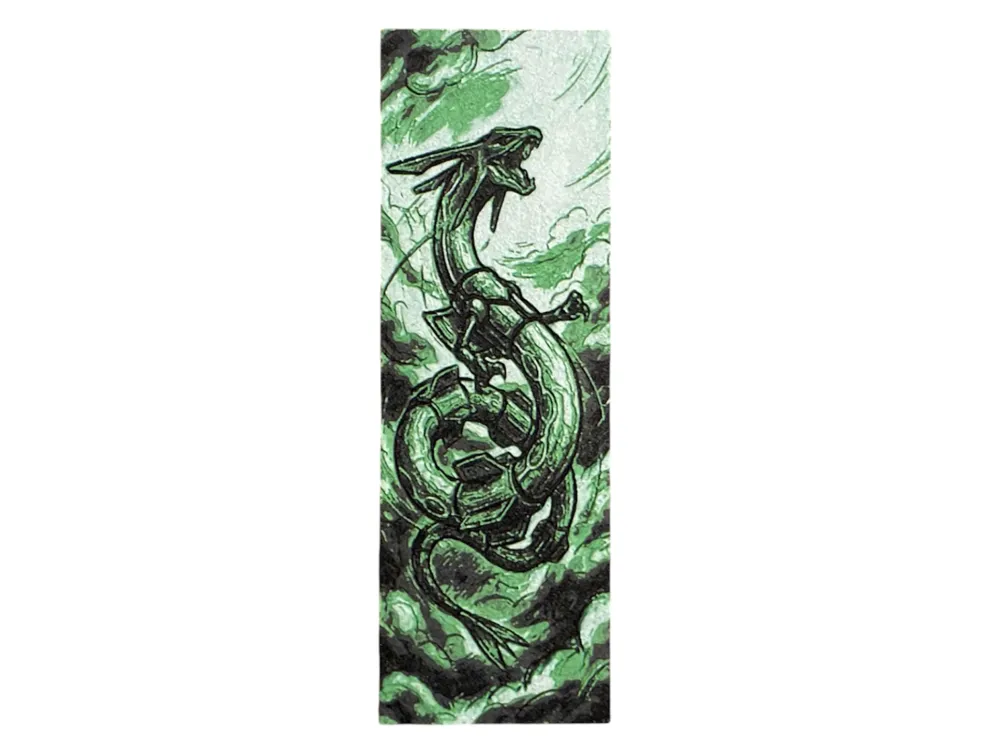
Rayquaza Pokemon Bookmark
by The SkyLab 3D
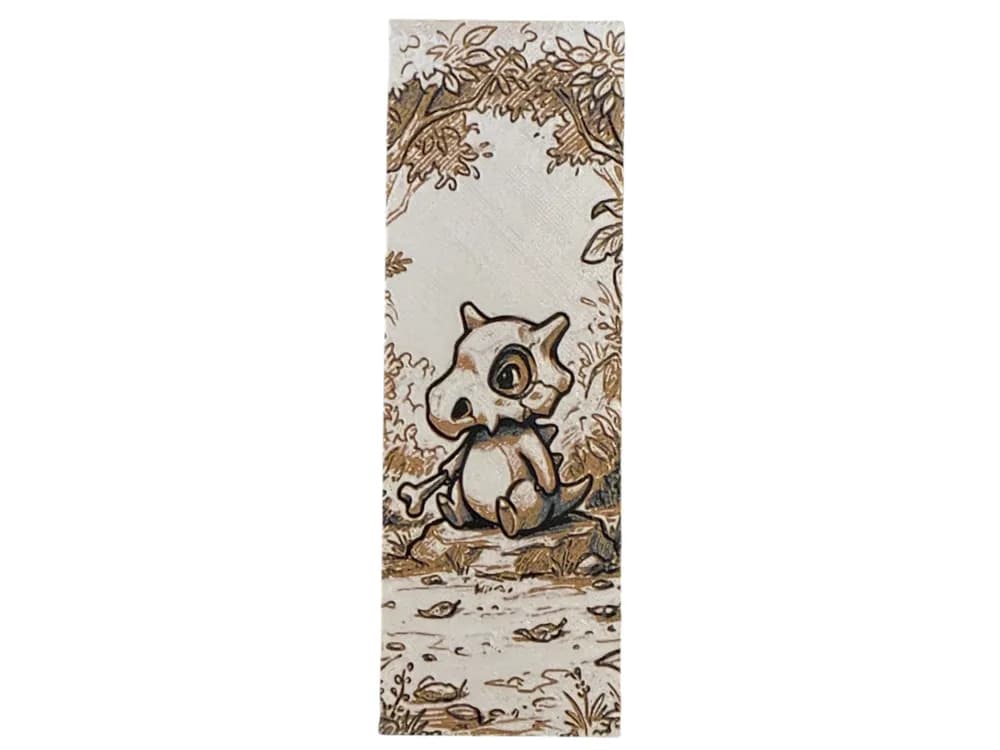
Cubone Pokemon Bookmark
by The SkyLab 3D
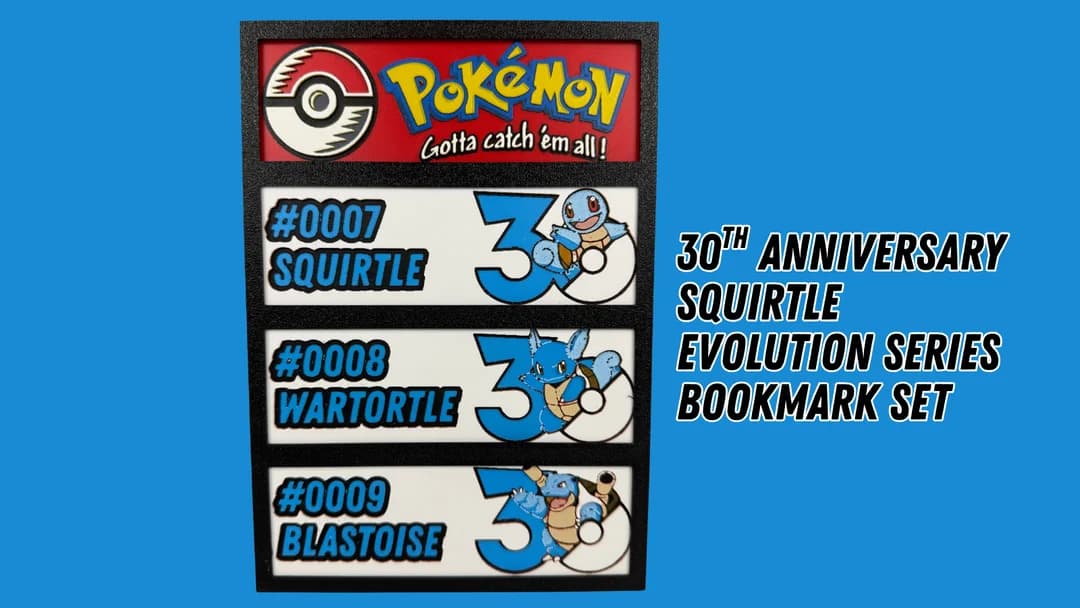
Squirtle Evolution Series - Pokemon 30th Anniversary - Bookmark Set
by Canadian Gamer
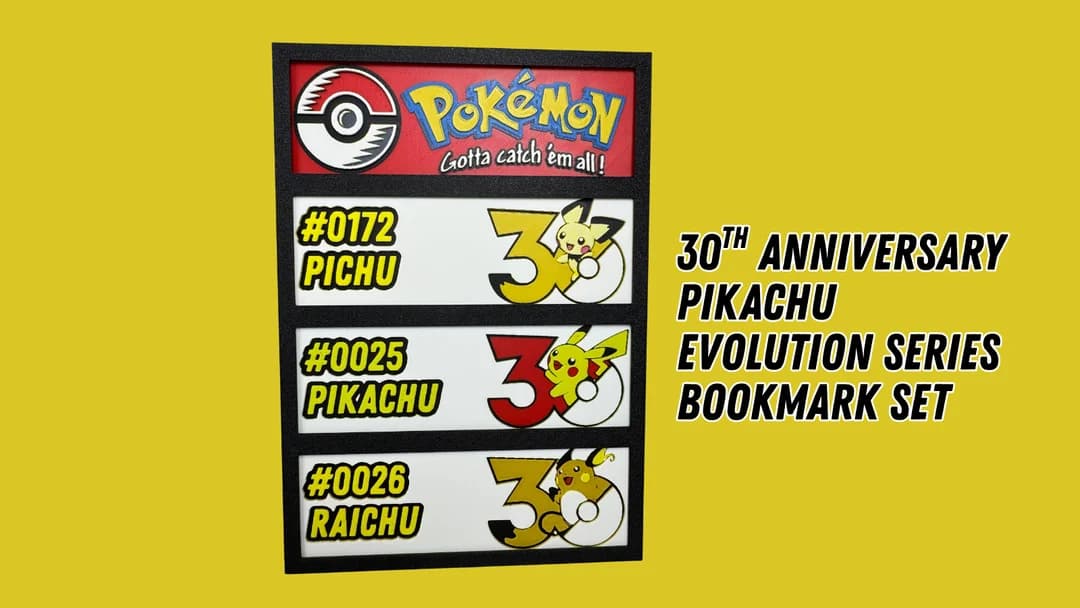
Pikachu Evolution Series - Pokemon 30th Anniversary - Bookmark Set
by Canadian Gamer
Recent Articles
View all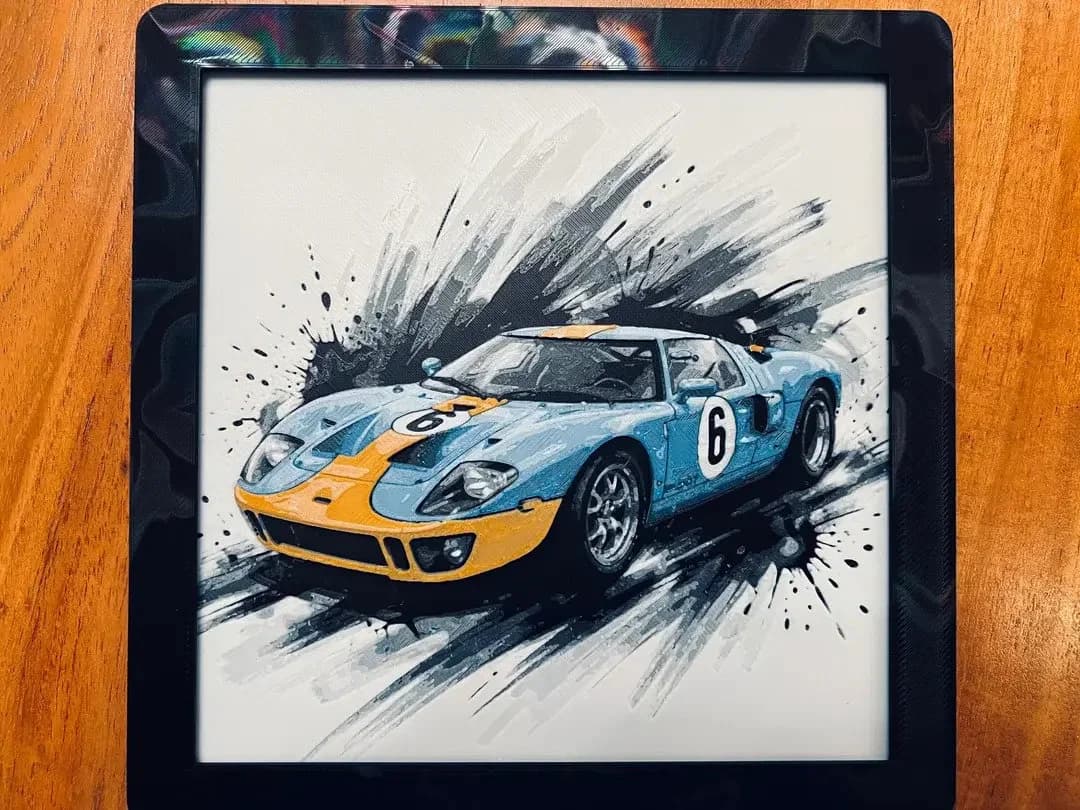
Best Car 3D Prints for HueForge: From Japanese Icons to Movie Cars
The best car 3D prints to make as HueForge filament paintings — JDM legends, supercars, American muscle, F1 and rally posters, and movie icons like the DeLorean, each linked in the HuePick catalog.
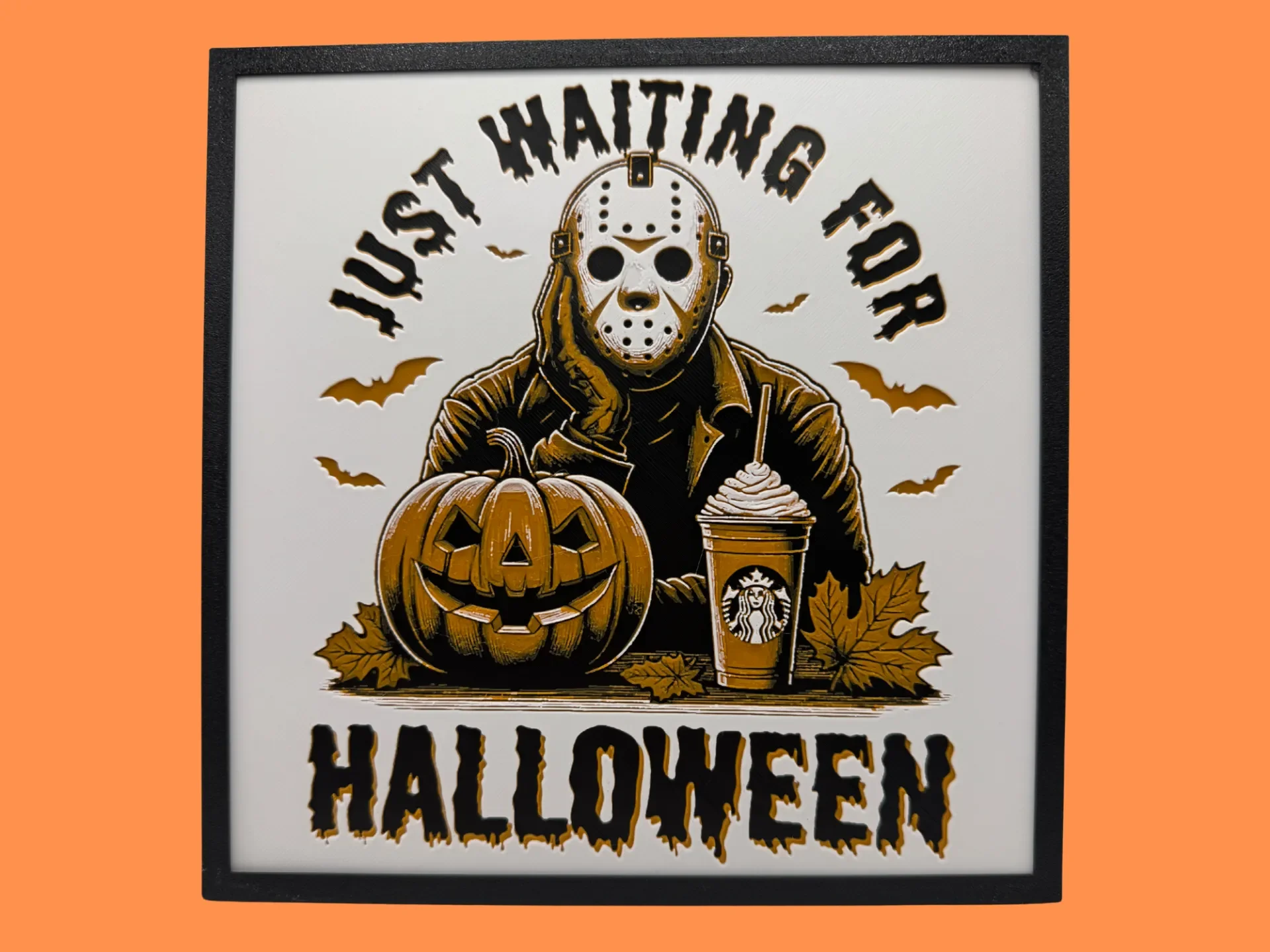
Best Halloween & Horror 3D Prints for HueForge: Slashers, Skulls & Spooky Wall Art
The Halloween 3D prints worth making as HueForge filament paintings — horror movie posters, Ghostface and Pennywise, skulls, pumpkins, spooky Pokemon, and bookmarks, grouped by theme.
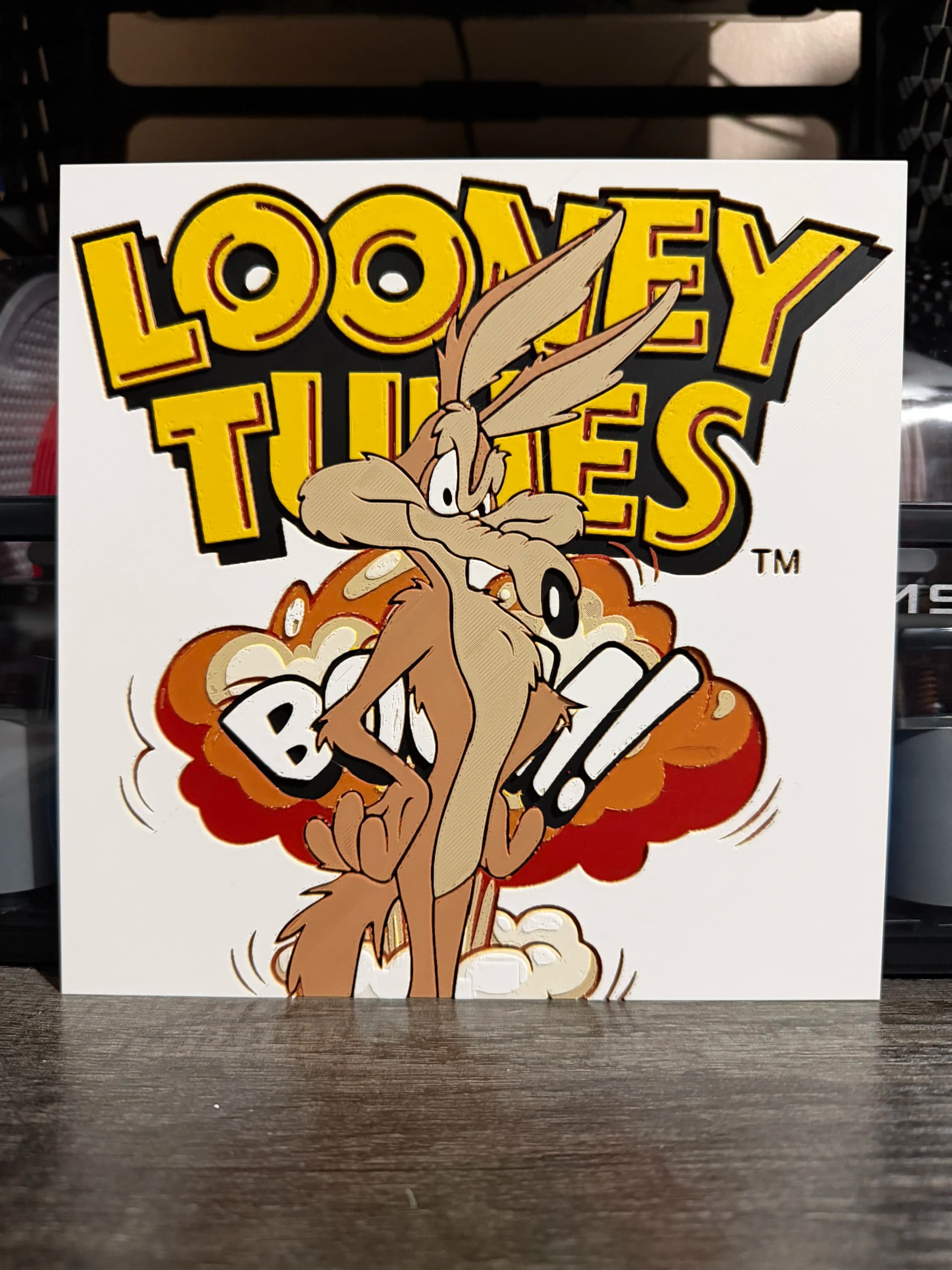
Best Classic Saturday Morning Cartoon STL Files for HueForge
The best classic Saturday morning cartoon STL files for HueForge — Scooby-Doo, Looney Tunes, Transformers, He-Man, TMNT and more, as bold filament wall art.