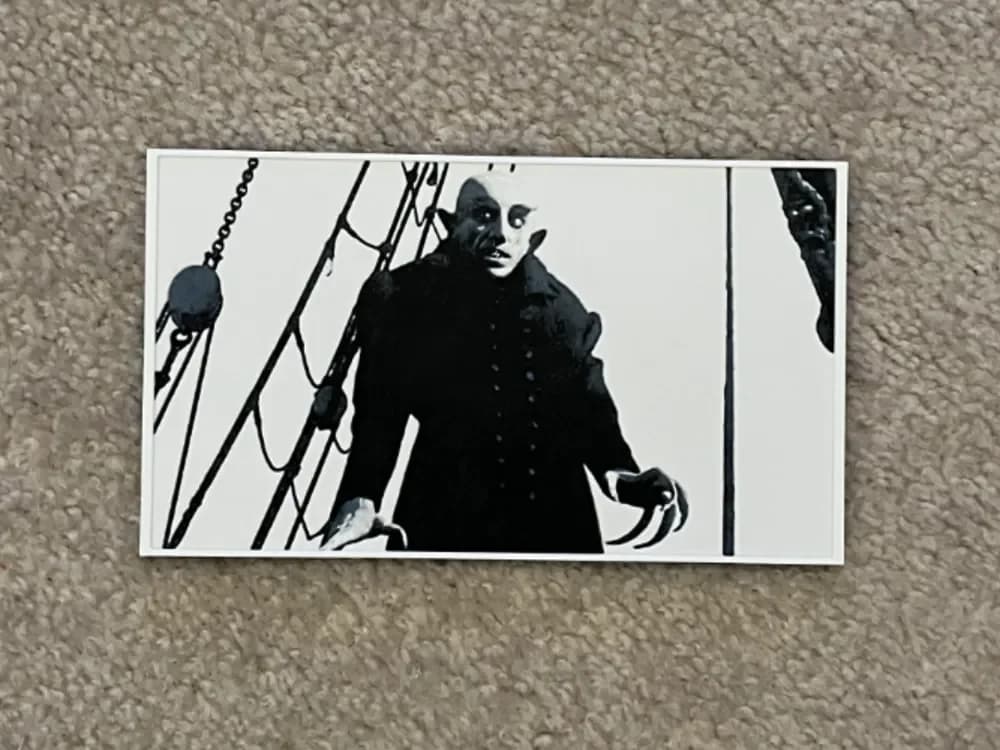
Count Orlok
by Estiv
Shadows and stark contrasts bring F.W. Murnau's iconic vampire to chilling life in this haunting tribute. Count Orlok emerges from the darkness of his ship, his gaunt silhouette and elongated fingers creating an atmosphere of dread that defined silent horror cinema. The monochromatic palette emphasizes the creature's otherworldly presence, with deep blacks framing his pale, rat-like features against nautical rigging that speaks to his cursed voyage.
View on MakerWorldRequired Filaments4
Bambu Lab Basic Black
Bambu Lab Basic Blue Gray
Bambu Lab Basic Beige
Bambu Lab Matte Ivory White
Why filament details may vary
Filament details (brand, color, and TD value) may not exactly match the designer's original specification. In some cases, the designer didn't specify exact filaments and we've matched the closest options we could find. Always check the original listing for full details.
Some filament links are affiliate links — we may earn a small commission at no extra cost to you. Learn more
Sign up to track your filament inventory and check your matches.
Create accountYou Might Also Like
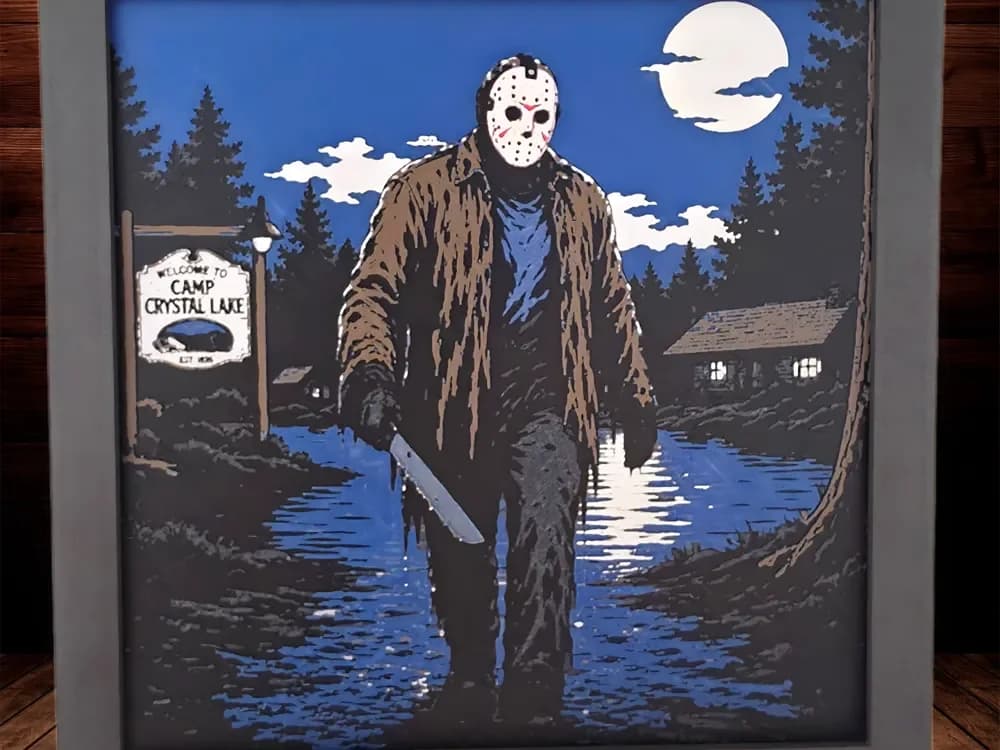
Jason Voorhees - Friday the 13th
by Side Quest Hues
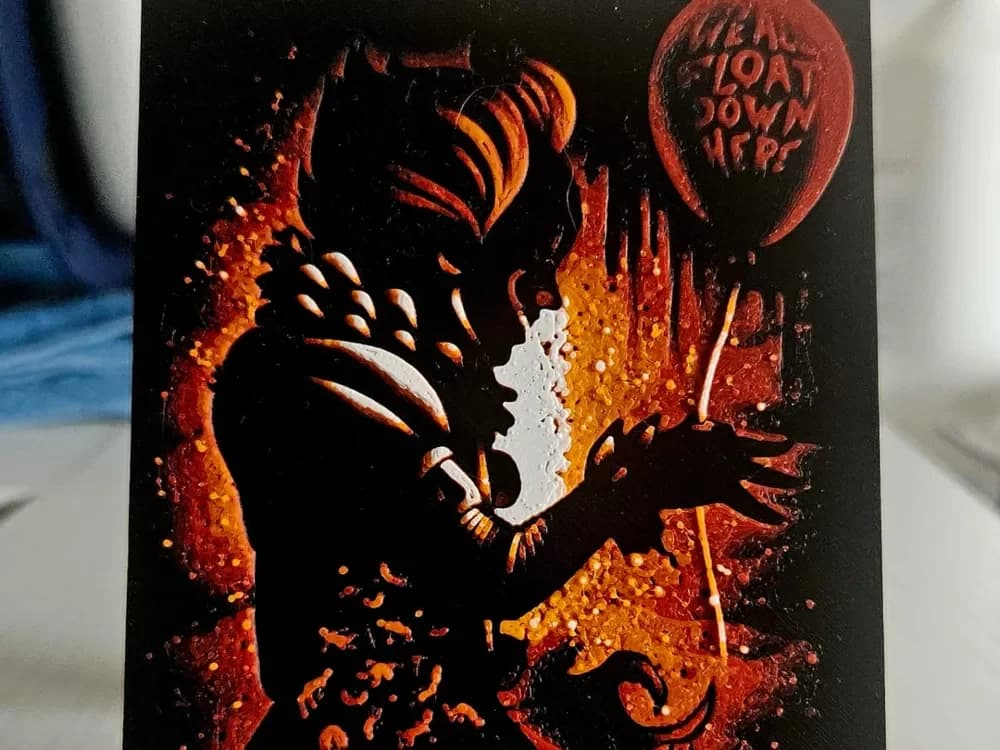
Halloween Pennywise Silhoutte
by Mano's 3d_Art
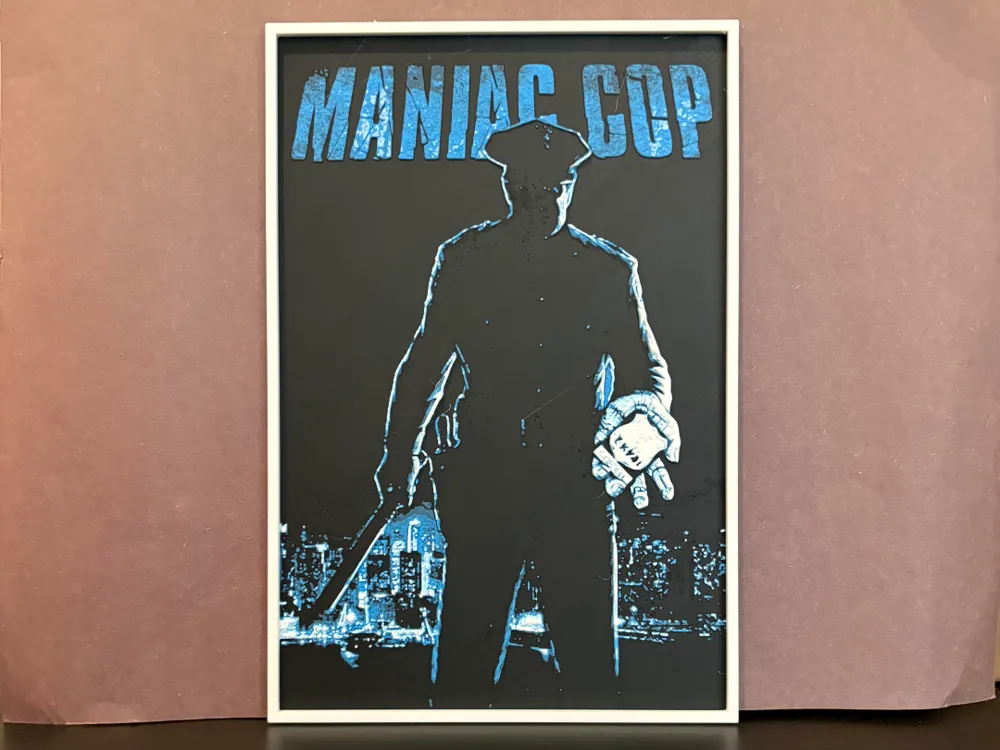
Maniac Cop Hueforge
by Estiv
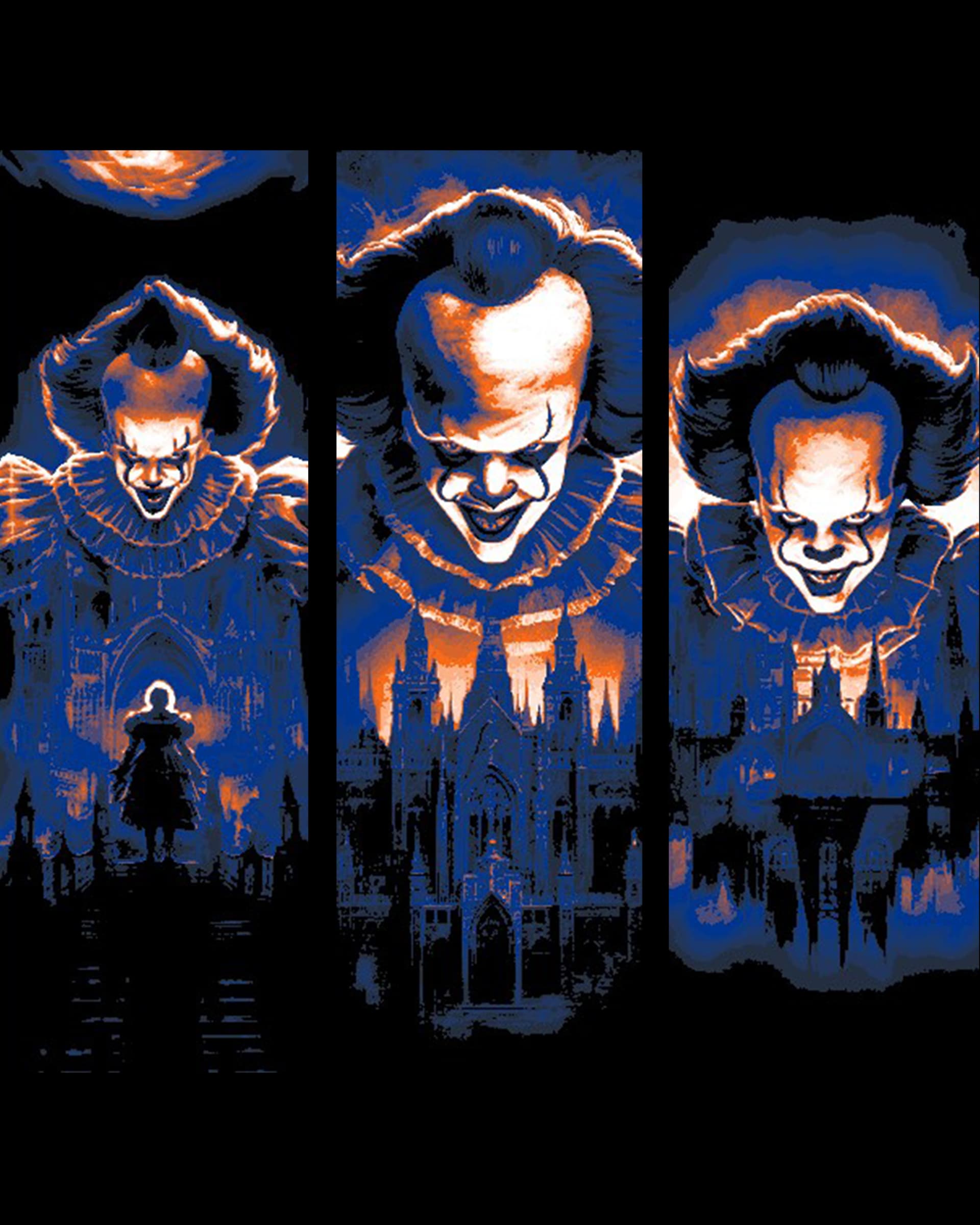
Horror Classic Scary Clown watching over his Victims - Set of Bookmarks
by BooneCo3d
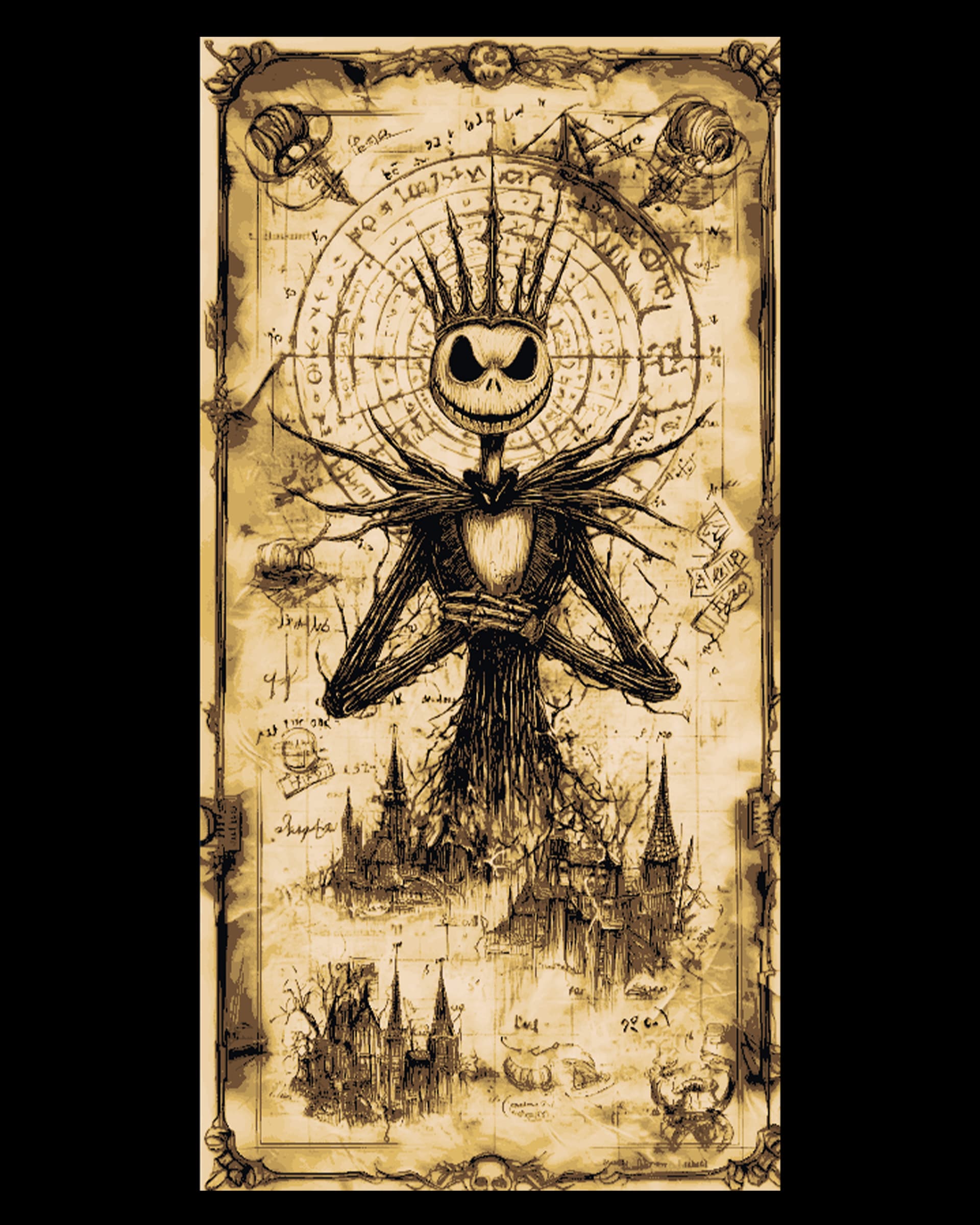
The King of Halloween - Jack drawing and art - Fanart hueforge
by BooneCo3d

Classic Monsters - the villains in black and white cinema - Set of Bookmarks
by BooneCo3d
Recent Articles
View all
Best Halloween & Horror 3D Prints for HueForge: Slashers, Skulls & Spooky Wall Art
The Halloween 3D prints worth making as HueForge filament paintings — horror movie posters, Ghostface and Pennywise, skulls, pumpkins, spooky Pokemon, and bookmarks, grouped by theme.

Best Classic Saturday Morning Cartoon STL Files for HueForge
The best classic Saturday morning cartoon STL files for HueForge — Scooby-Doo, Looney Tunes, Transformers, He-Man, TMNT and more, as bold filament wall art.

3D Printing Business Name Ideas (and How to Pick One That Lasts)
3D printing business name ideas grouped by style — descriptive, filament-themed, clever, and premium — plus naming principles and how to check a name is free to use.