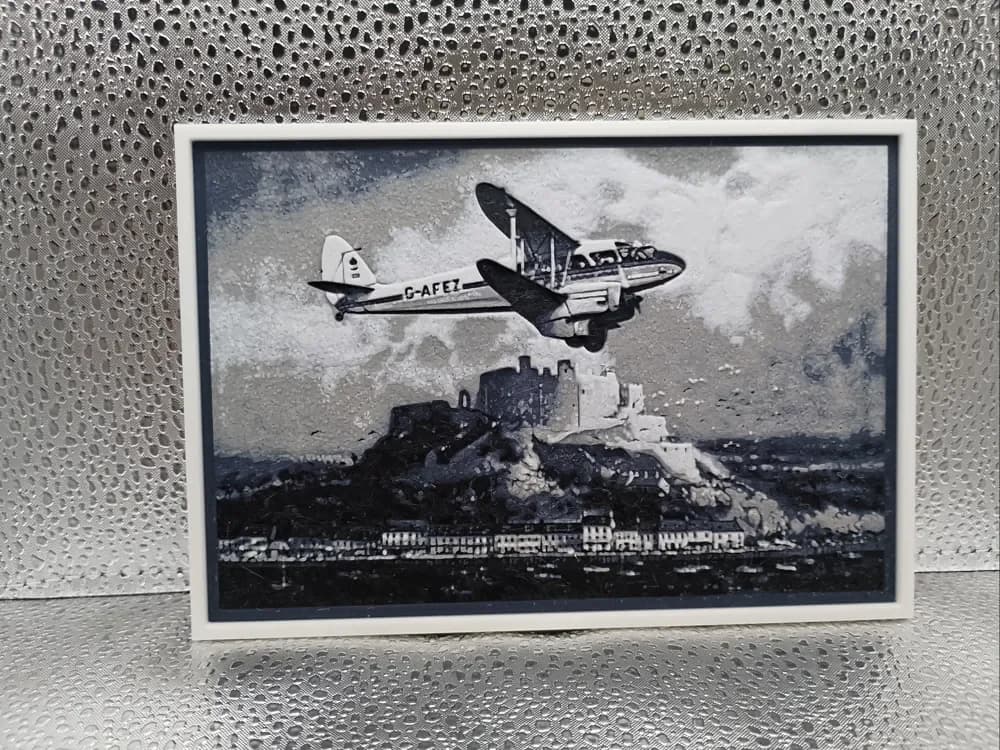
De Havilland DH.89 Dragon Rapide - Hueforge
A vintage De Havilland DH.89 Dragon Rapide soars majestically above a dramatic coastal fortress in this evocative aviation tribute. The twin-engine biplane, marked with registration G-AFEZ, cuts through moody skies rendered in subtle gradients of steel gray and white. Below, the ancient castle perches on rocky cliffs overlooking a harbor town, creating striking depth through layered monochromatic tones that capture both the romance of early aviation and timeless architectural grandeur.
View on MakerWorldRequired Filaments4
Why filament details may vary
Filament details (brand, color, and TD value) may not exactly match the designer's original specification. In some cases, the designer didn't specify exact filaments and we've matched the closest options we could find. Always check the original listing for full details.
Some filament links are affiliate links — we may earn a small commission at no extra cost to you. Learn more
Sign up to track your filament inventory and check your matches.
Create accountYou Might Also Like
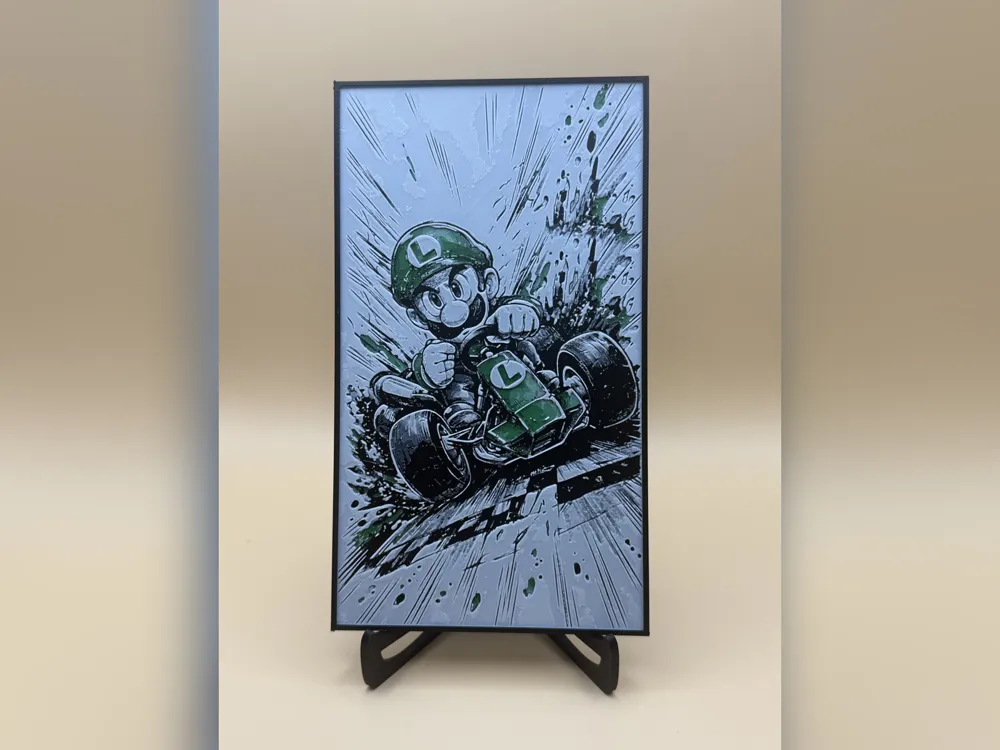
Luigi Kart HueForge Print
by iPrintStuffau
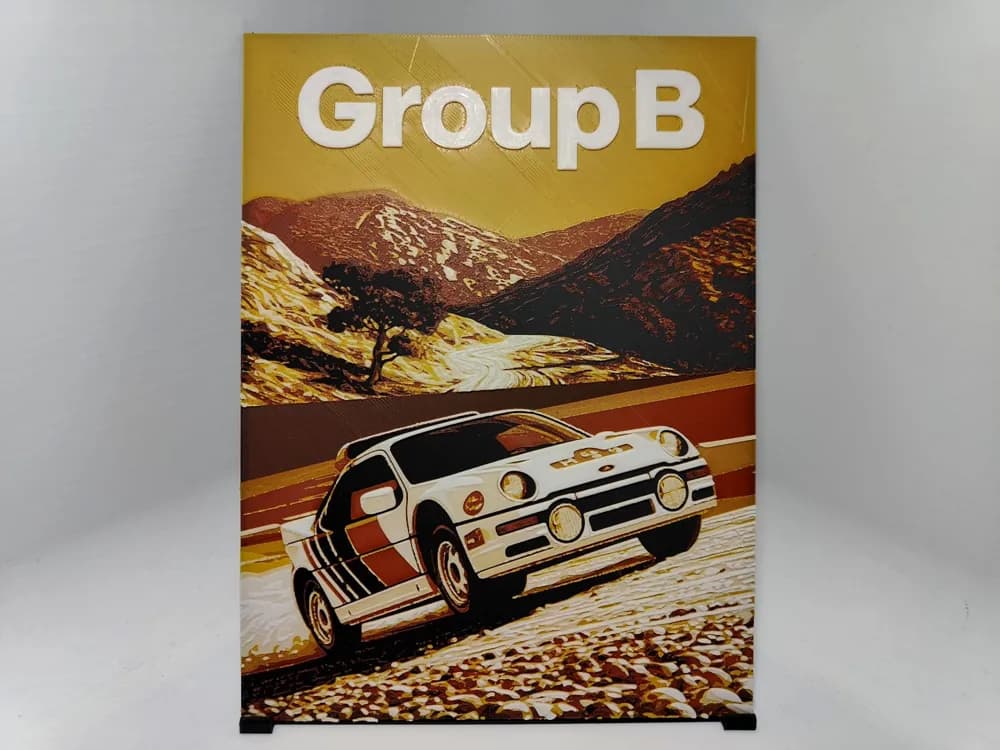
Group B Poster #5 - Hueforge
by BeaN
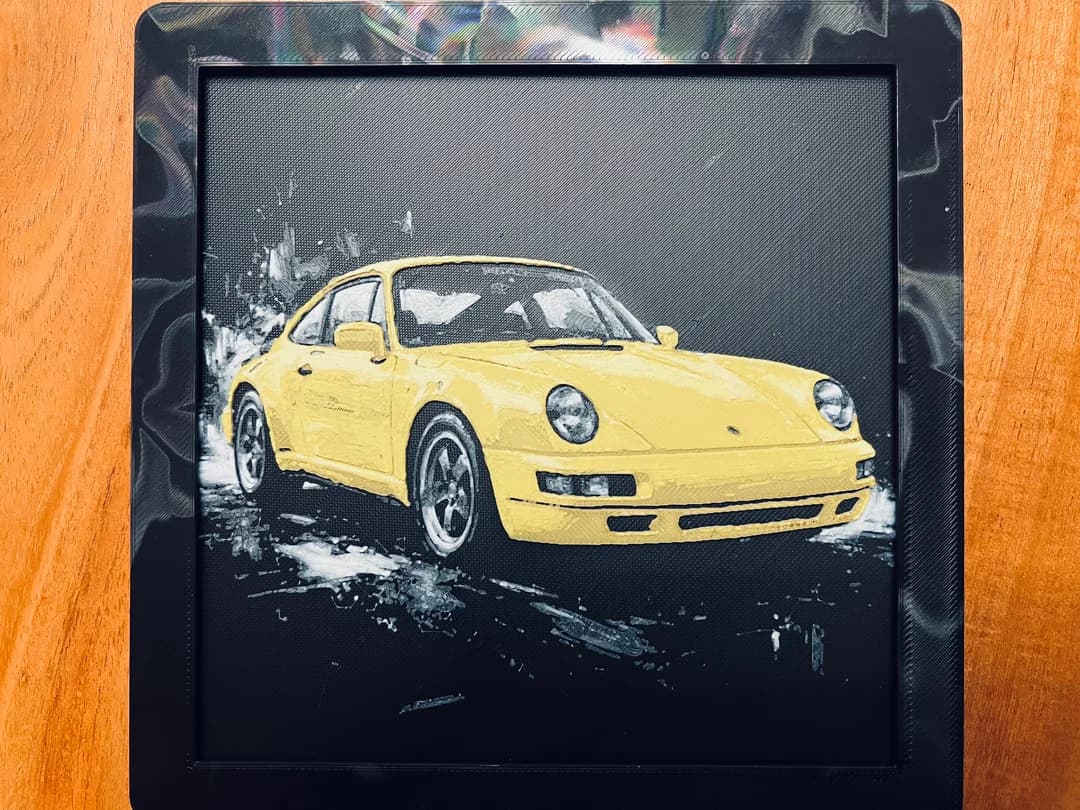
Porche 911
by JustBe 3D Printing
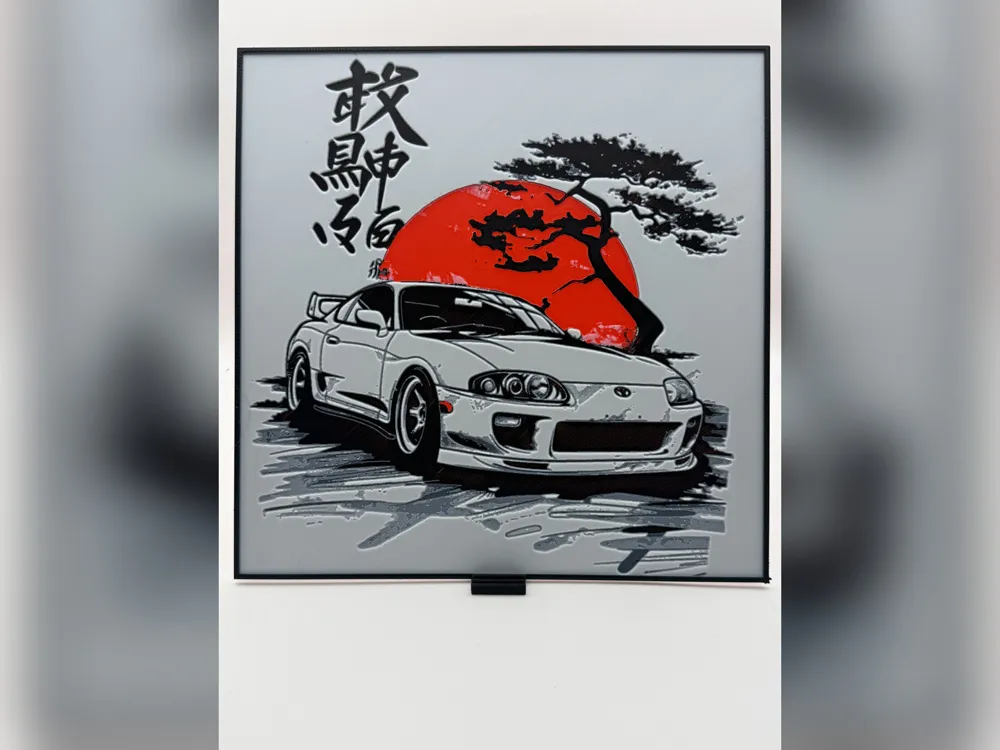
Toyota MKIV Supra HueForge Print
by iPrintStuffau

Porsche 911 (992) GT3 RS - Hueforge
by BeaN
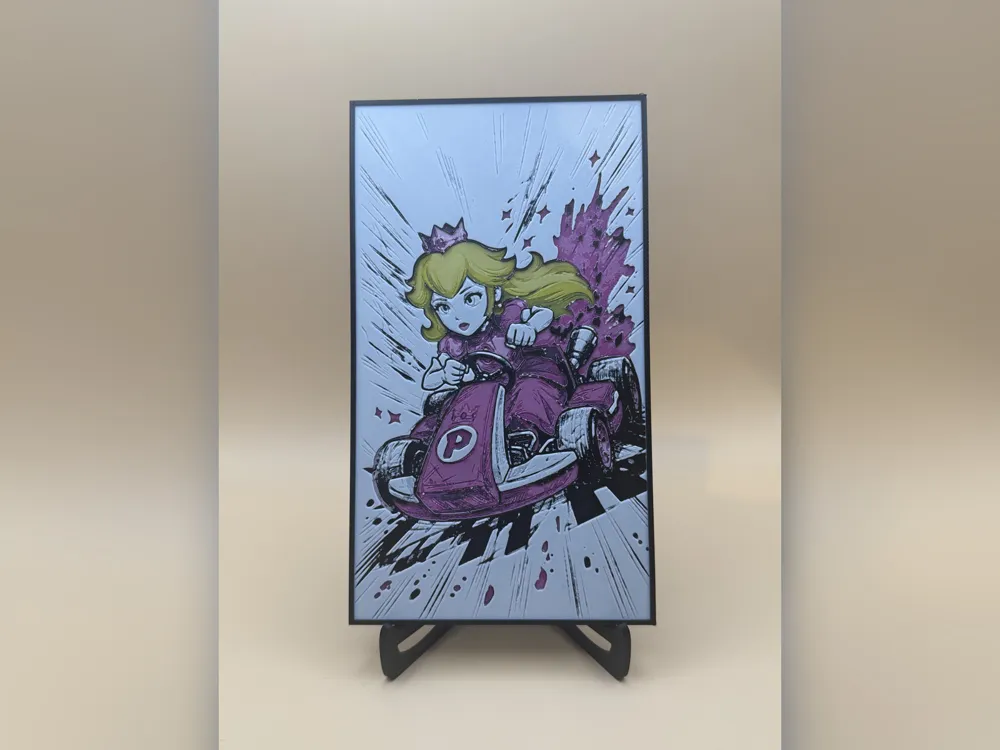
Princess Peach Mario Kart HueForge Print
by iPrintStuffau
Recent Articles
View all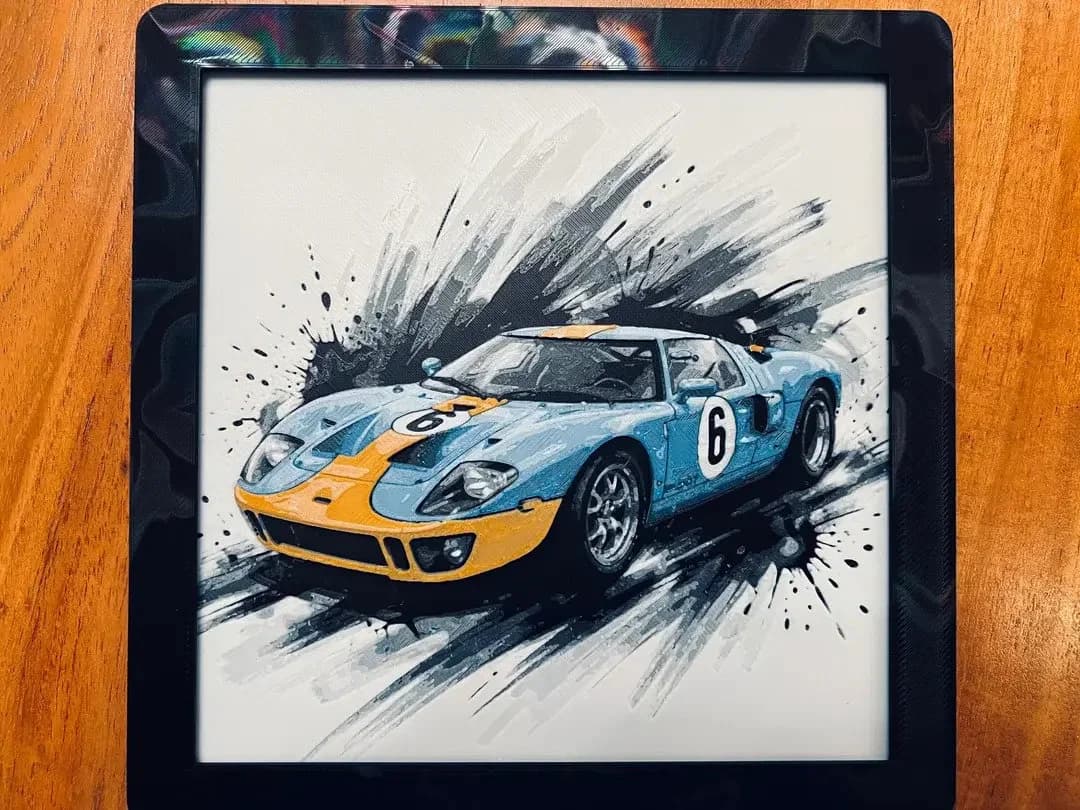
Best Car 3D Prints for HueForge: From Japanese Icons to Movie Cars
The best car 3D prints to make as HueForge filament paintings — JDM legends, supercars, American muscle, F1 and rally posters, and movie icons like the DeLorean, each linked in the HuePick catalog.
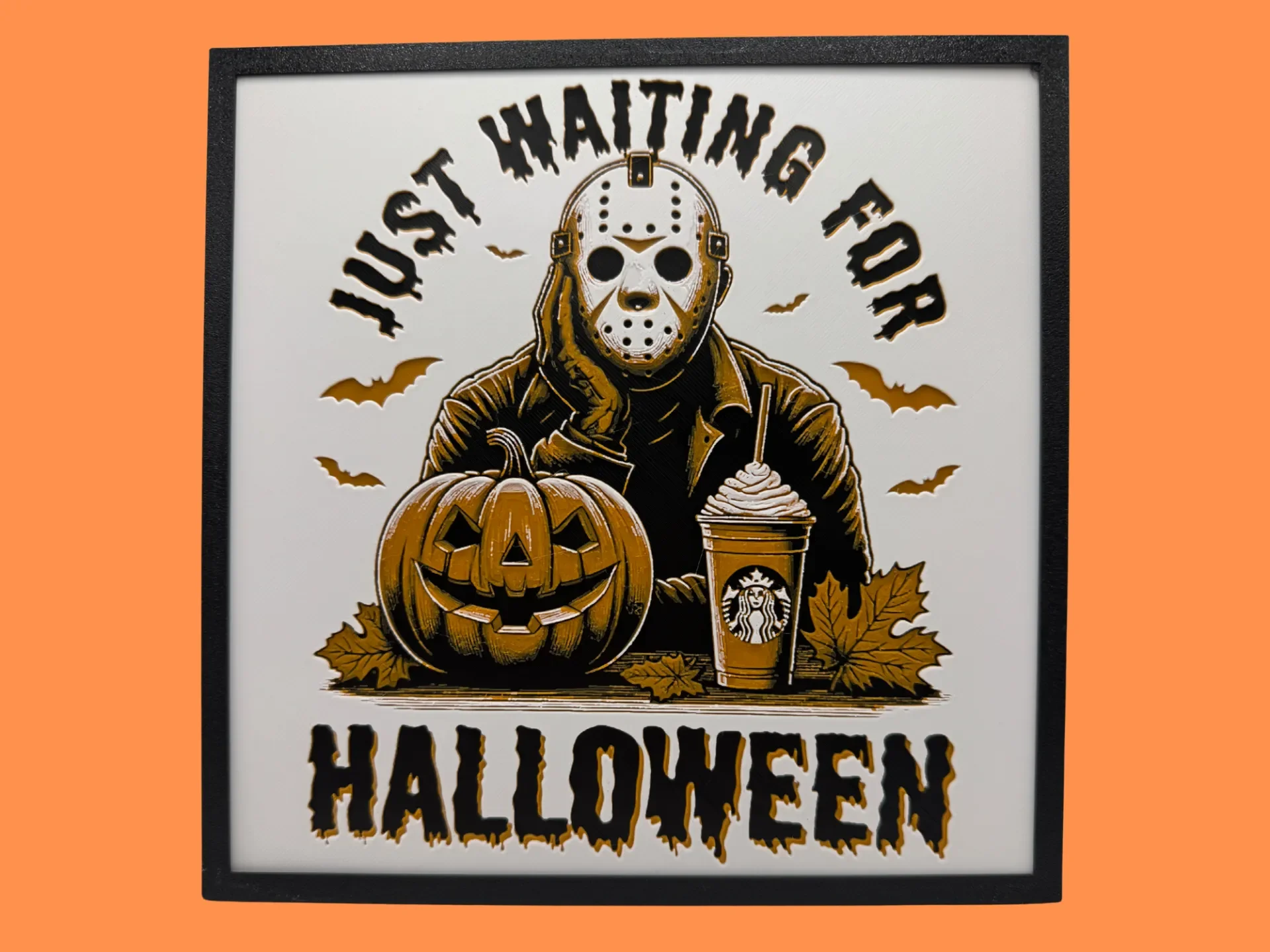
Best Halloween & Horror 3D Prints for HueForge: Slashers, Skulls & Spooky Wall Art
The Halloween 3D prints worth making as HueForge filament paintings — horror movie posters, Ghostface and Pennywise, skulls, pumpkins, spooky Pokemon, and bookmarks, grouped by theme.
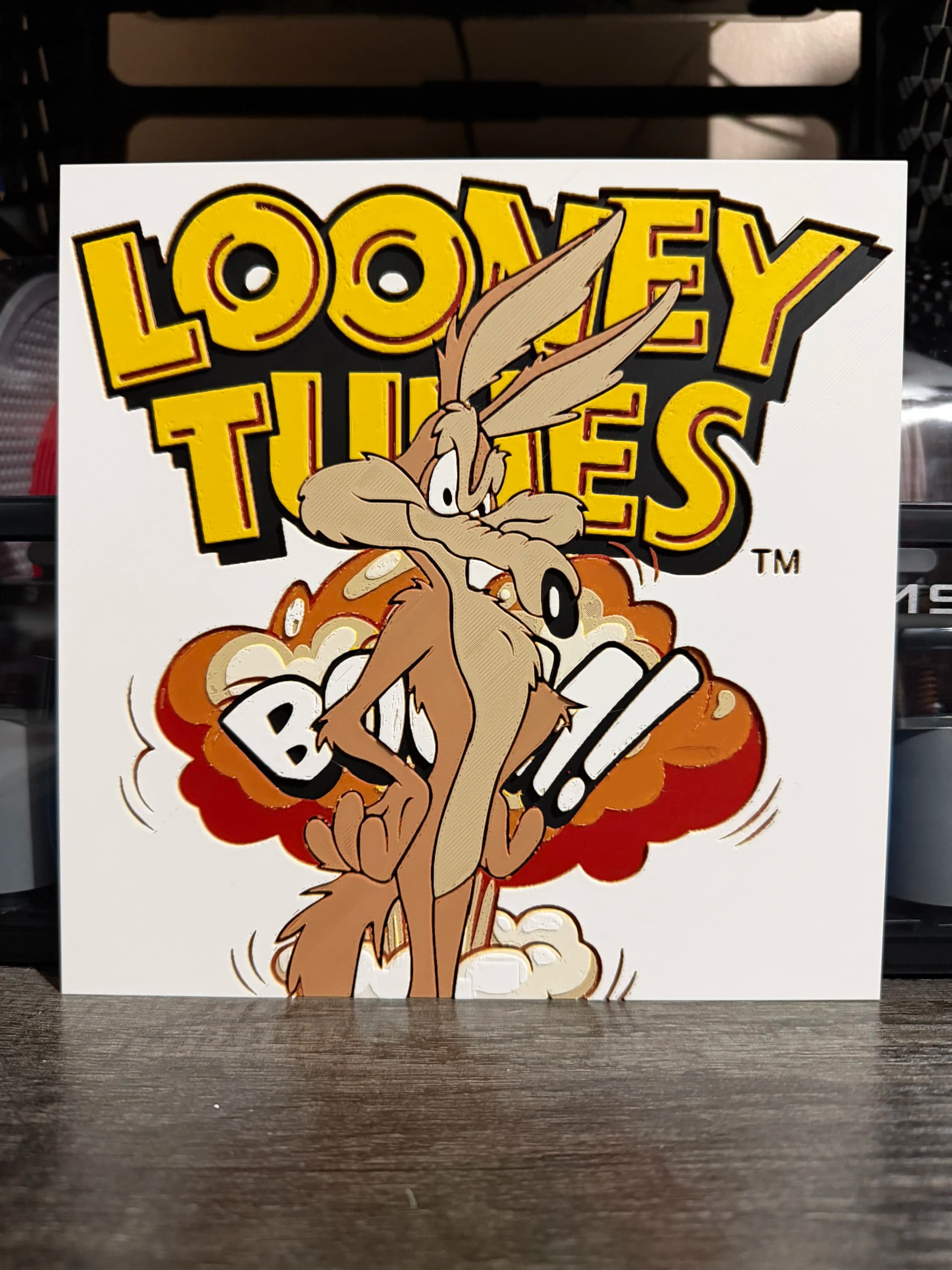
Best Classic Saturday Morning Cartoon STL Files for HueForge
The best classic Saturday morning cartoon STL files for HueForge — Scooby-Doo, Looney Tunes, Transformers, He-Man, TMNT and more, as bold filament wall art.