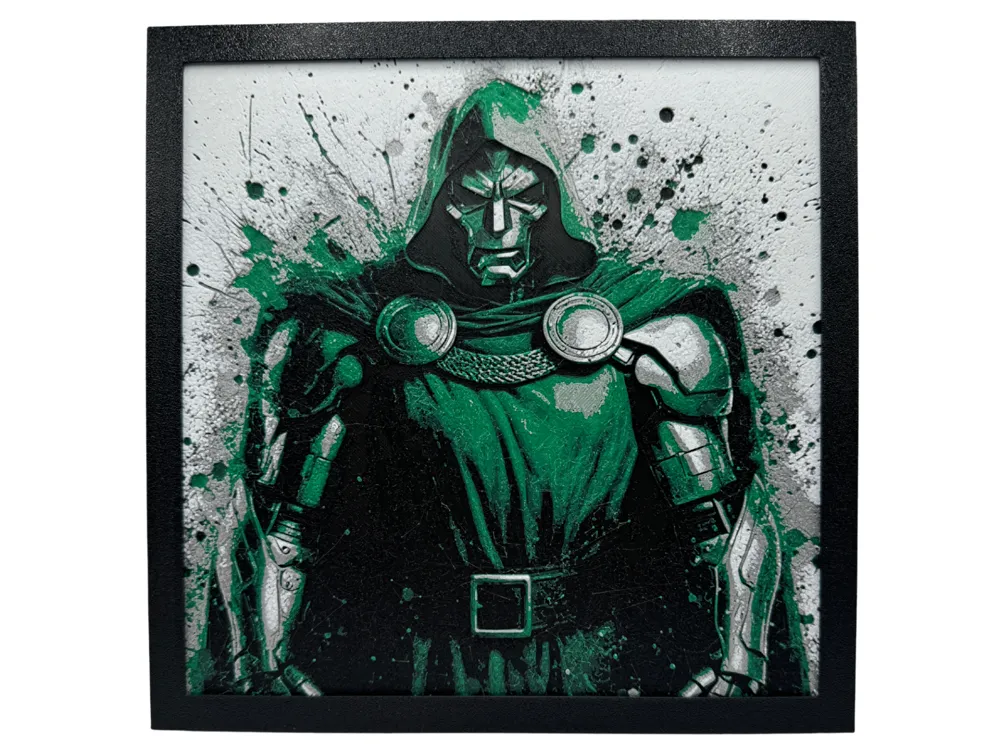
Dr Doom - Marvel Hueforge
Latveria's iron-fisted ruler emerges from explosive shadows in this dramatic portrait, his iconic metal mask gleaming beneath a weathered hood. Vibrant emerald greens dominate the composition, from his flowing cape to the mystical energy crackling around his armored form. Bold paint splatters frame Dr. Doom's imposing silhouette, while silver accents highlight his distinctive chest medallions and gauntlets, creating a striking piece that captures the villain's commanding presence.
View on MakerWorldRequired Filaments4
Bambu Lab Basic Black
Bambu Lab Basic Mistletoe Green
Bambu Lab Basic Silver
Bambu Lab Matte Ivory White
Why filament details may vary
Filament details (brand, color, and TD value) may not exactly match the designer's original specification. In some cases, the designer didn't specify exact filaments and we've matched the closest options we could find. Always check the original listing for full details.
Some filament links are affiliate links — we may earn a small commission at no extra cost to you. Learn more
Sign up to track your filament inventory and check your matches.
Create accountYou Might Also Like
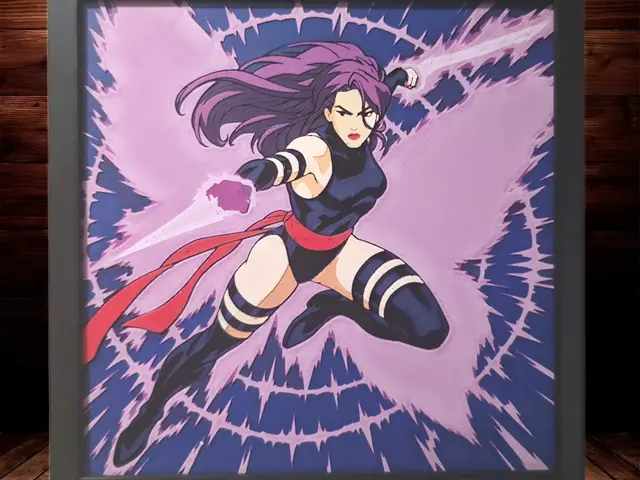
Psyclocke - X-Men - 92 and '97 inspired
by Side Quest Hues
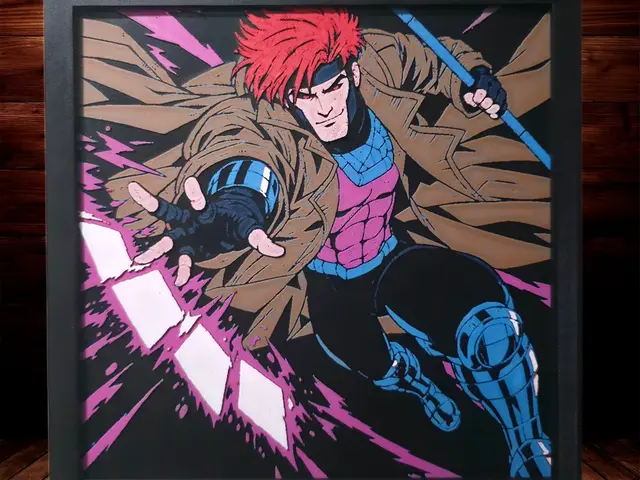
Gambit - X-Men - 92 and '97 inspired
by Side Quest Hues
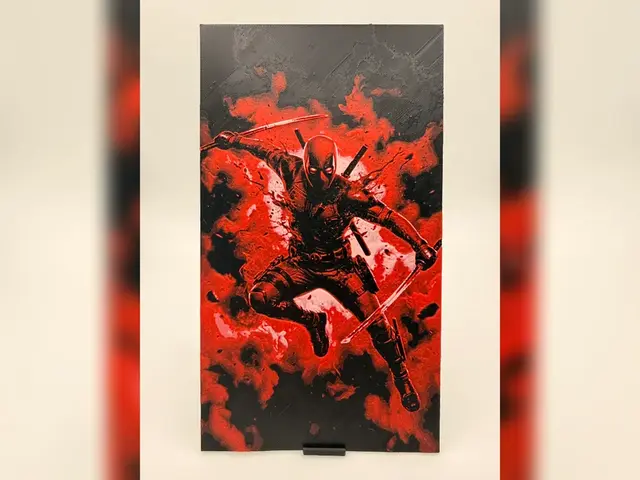
Deadpool Katanas HueForge Print
by Thadius
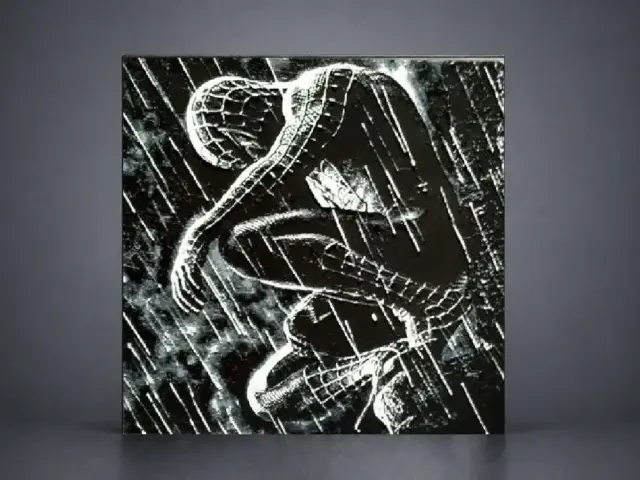
Spider-Man in the Rain — Dark Reflection
by Aleksandr
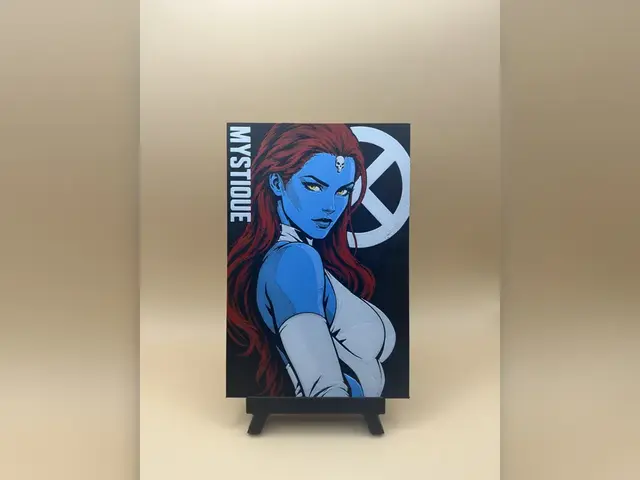
Mystique X-Men HueForge Print
by Thadius
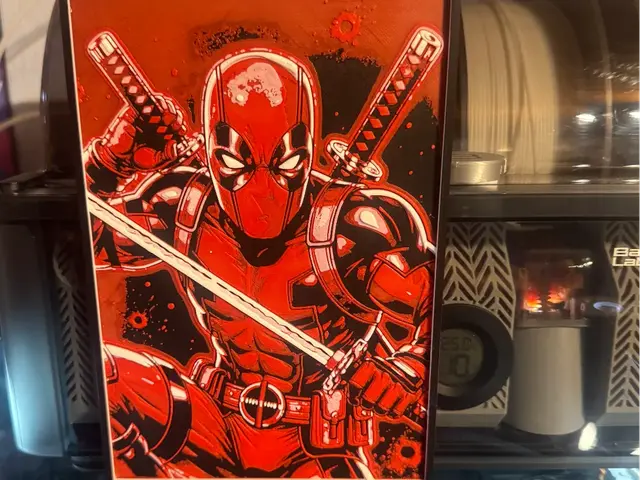
Hueforge Deadpool
by World of Glt 3d
Recent Articles
View all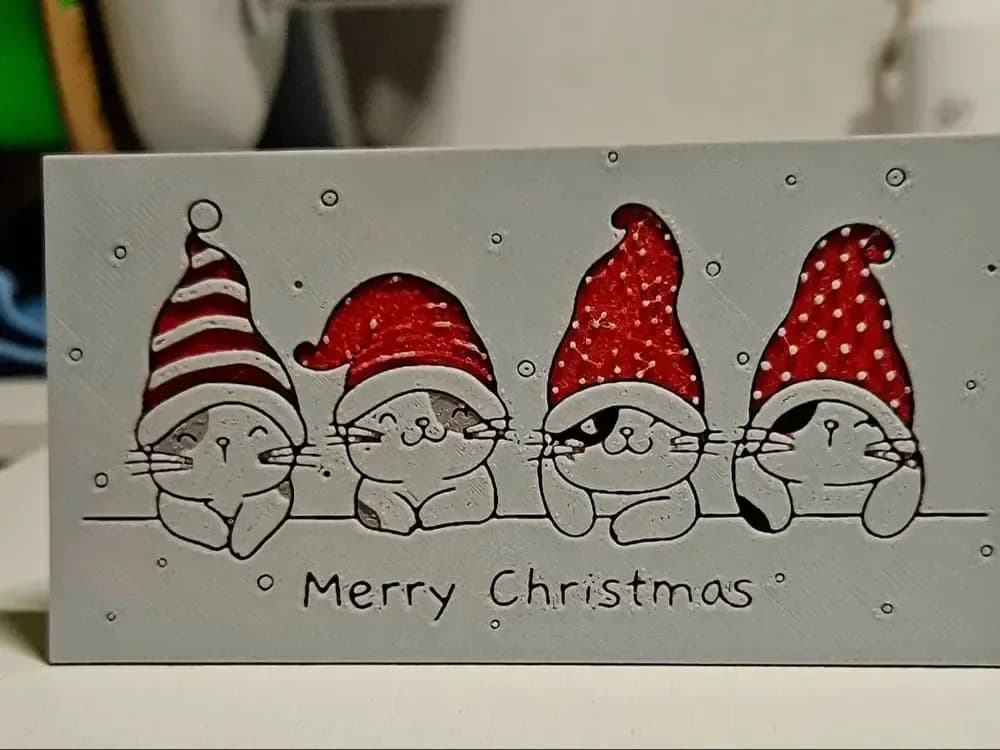
Best Christmas 3D Prints for HueForge: Ornaments, Santa & Holiday Movie Posters
The Christmas 3D prints worth making as HueForge filament paintings — tree ornaments, Santa and snowmen, holiday movie posters, festive fandom crossovers, and gift tags, grouped by theme.
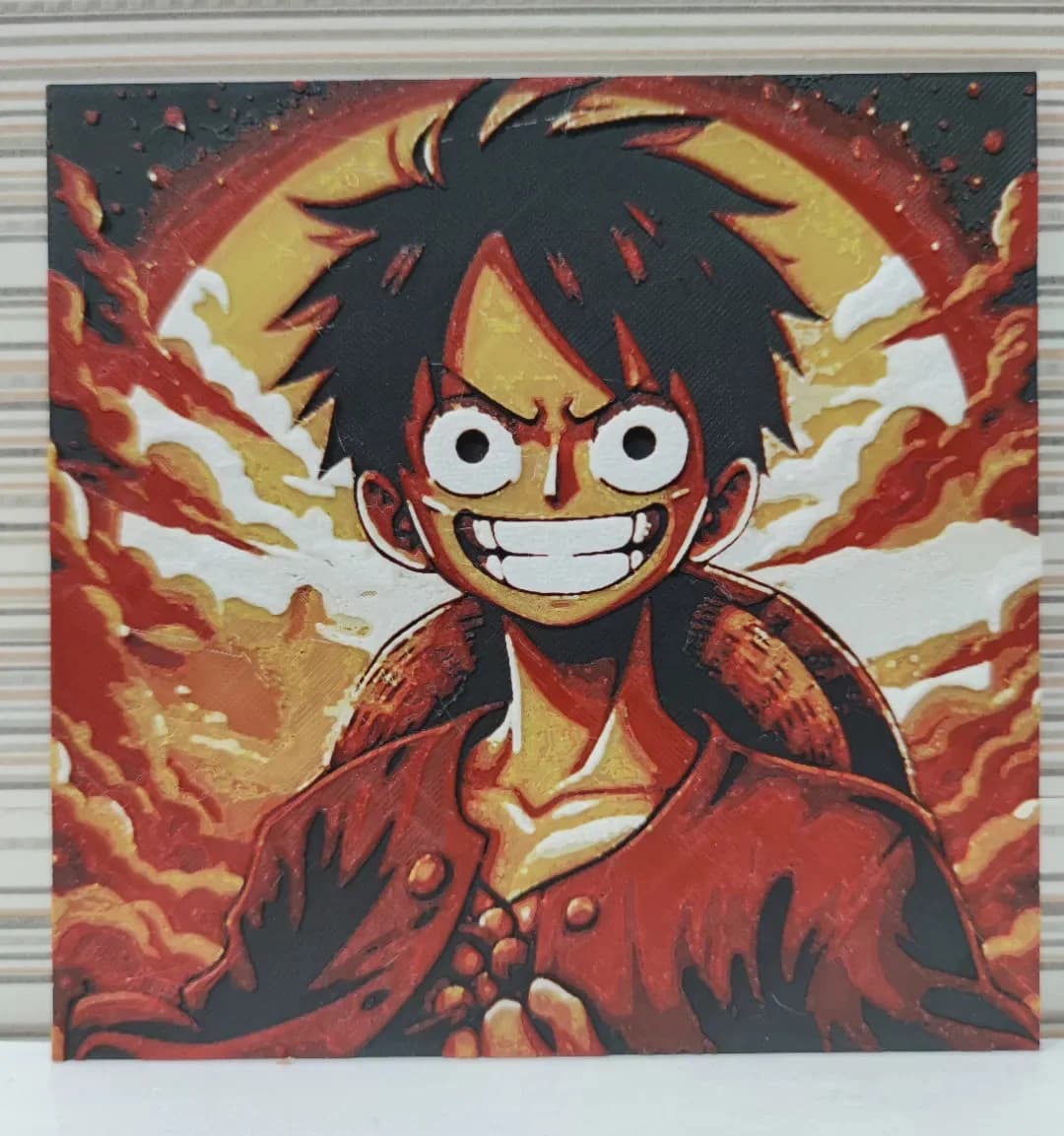
Best Anime 3D Prints for HueForge: From Shōnen Classics to the Modern Wave
The best anime 3D prints to make as HueForge filament paintings — One Piece, Naruto, Dragon Ball, Demon Slayer, Jujutsu Kaisen, Frieren, Gundam, and anime bookmarks, each linked in the HuePick catalog.
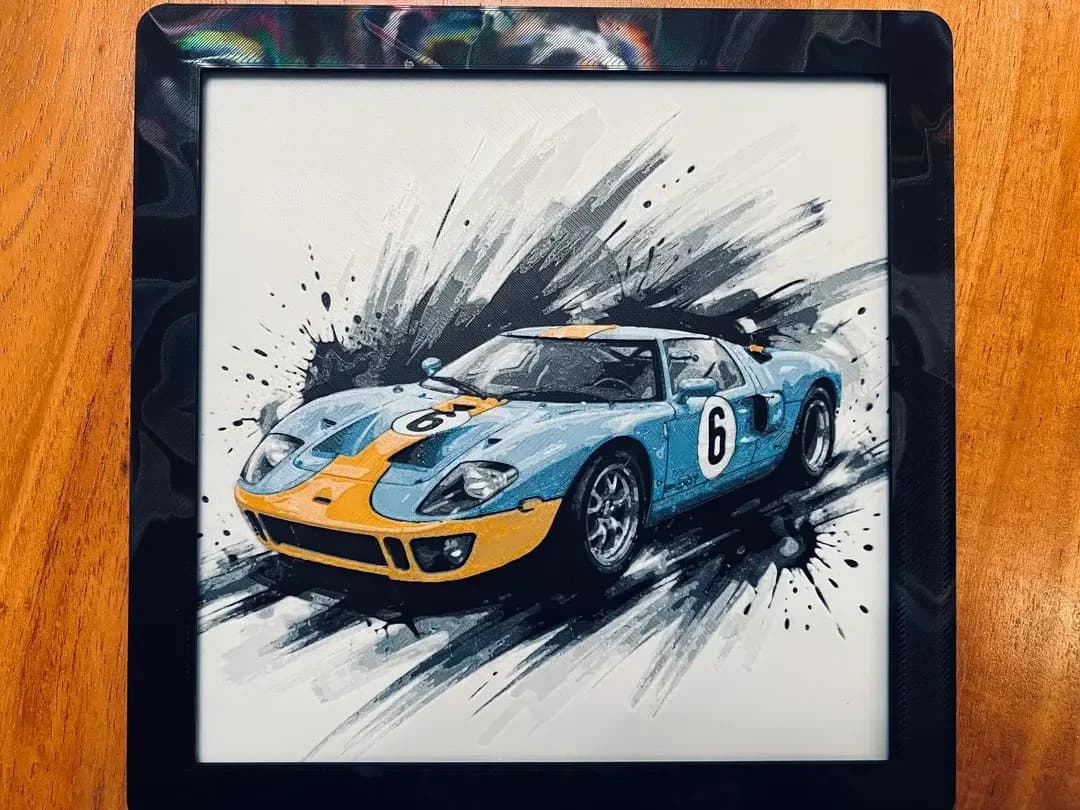
Best Car 3D Prints for HueForge: From Japanese Icons to Movie Cars
The best car 3D prints to make as HueForge filament paintings — JDM legends, supercars, American muscle, F1 and rally posters, and movie icons like the DeLorean, each linked in the HuePick catalog.