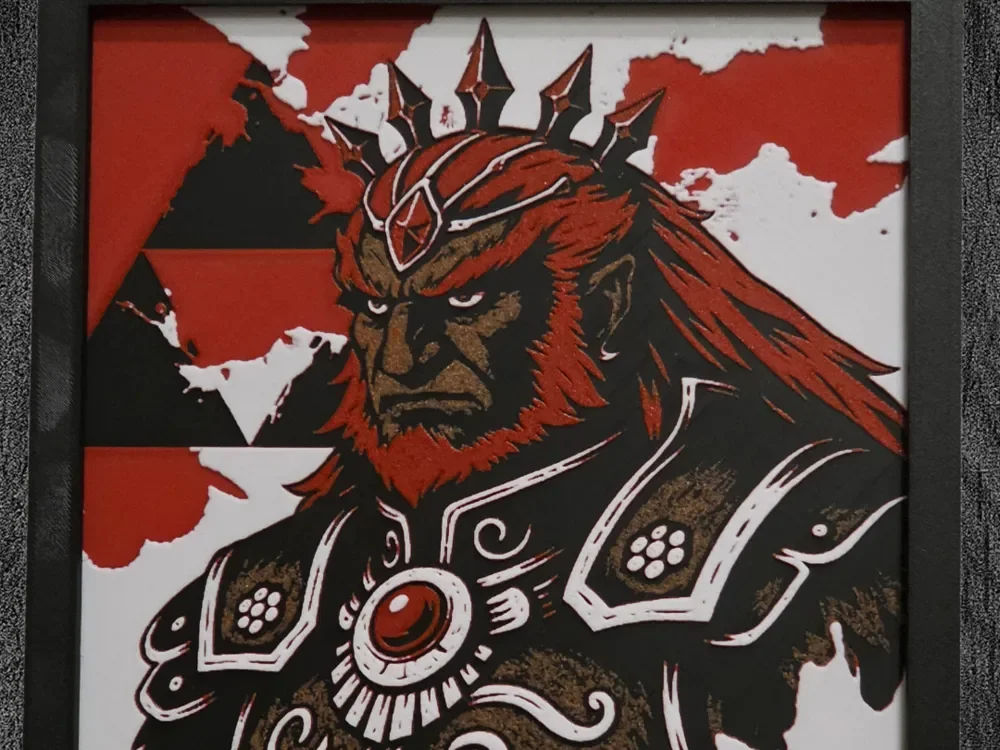
Ganondorf 200x200
The King of Evil emerges in commanding detail, his fierce crimson hair and spiked crown dominating this striking 200x200 composition. Ganondorf's menacing expression is rendered in rich earth tones and deep browns, while his ornate armor gleams with intricate geometric patterns and a prominent ruby centerpiece. Bold reds and stark whites create dramatic contrast against the stormy background, capturing the Gerudo king's intimidating presence with remarkable depth and artistic flair.
View on MakerWorldRequired Filaments4
Bambu Lab Basic Red
Bambu Lab Matte Dark Brown
Bambu Lab Basic Jade White
Generic Black
Why filament details may vary
Filament details (brand, color, and TD value) may not exactly match the designer's original specification. In some cases, the designer didn't specify exact filaments and we've matched the closest options we could find. Always check the original listing for full details.
Some filament links are affiliate links — we may earn a small commission at no extra cost to you. Learn more
Sign up to track your filament inventory and check your matches.
Create accountYou Might Also Like
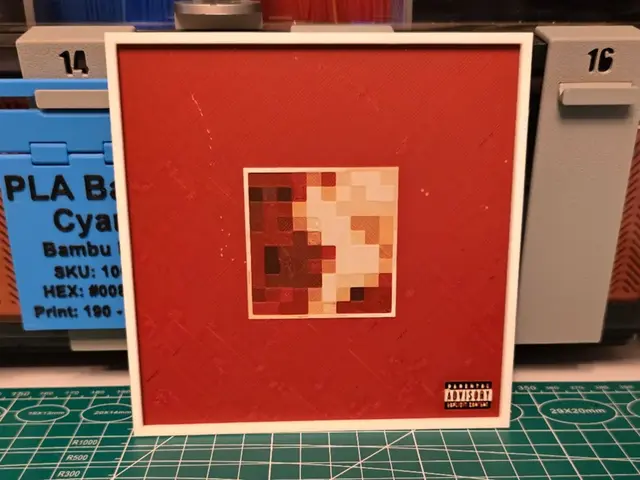
Kanye West "My Beautiful Dark Twisted Fantasy" Art
by Lumpy3D
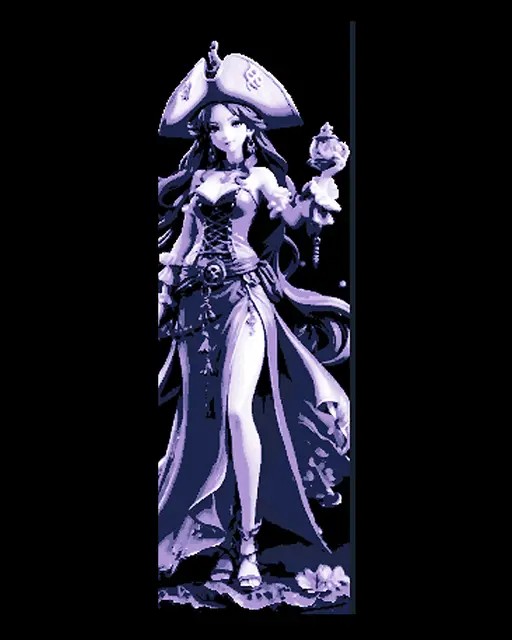
Images of an Anime Style Pirate Doll - Set of 3 Bookmarks
by BooneCo3d
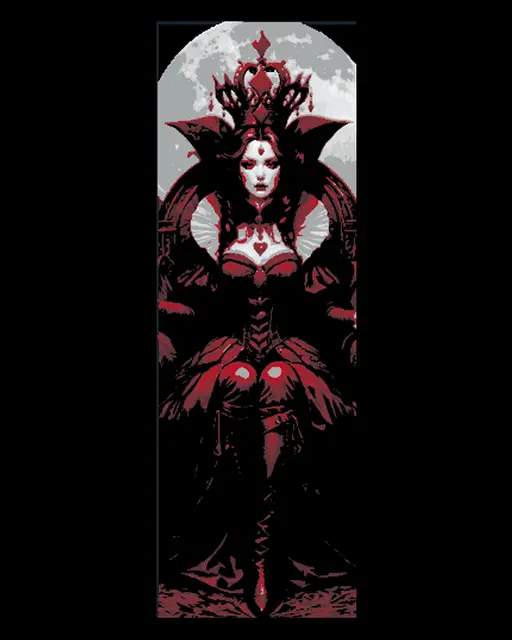
The Lady in Red - Beautiful She-devil with alluring Eyes - Set of 3 Bookmarks
by BooneCo3d
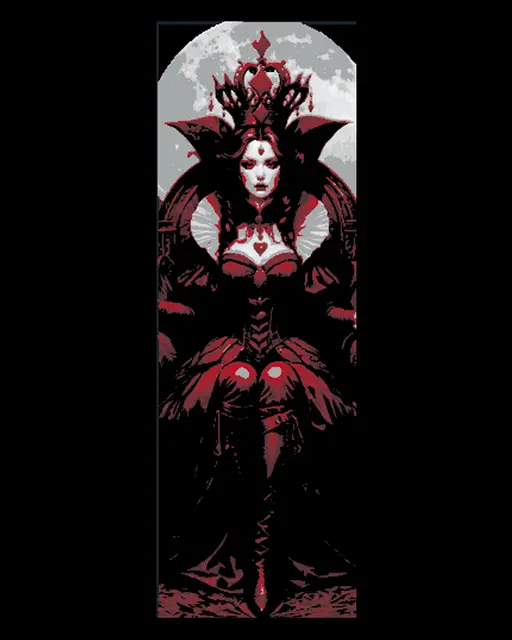
The Red Queen - Set of 3 bookmarks
by BooneCo3d
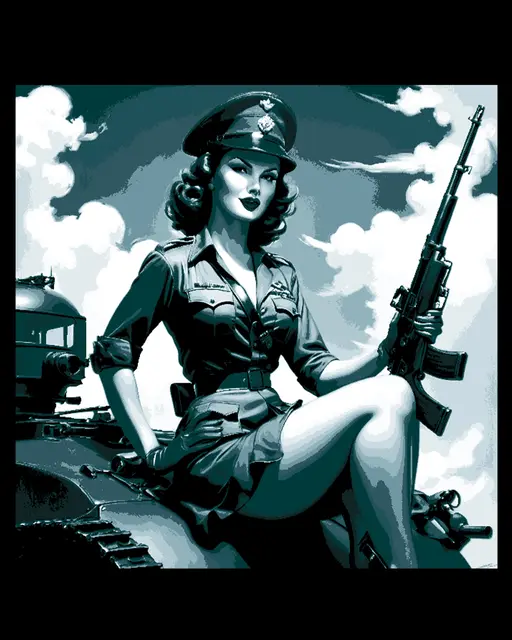
Classic Army Pinup Girl Rallying the Troops to Victory
by BooneCo3d
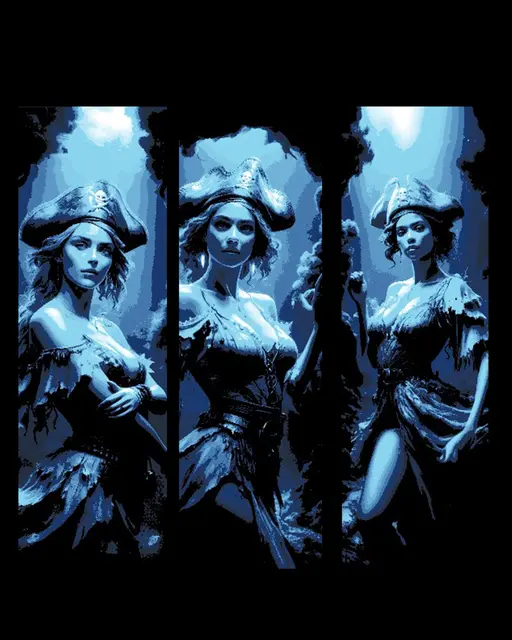
Davey's Locker claims the lives of Pirate Beauties - Set of Bookmarks
by BooneCo3d
Recent Articles
View all
Best Christmas 3D Prints for HueForge: Ornaments, Santa & Holiday Movie Posters
The Christmas 3D prints worth making as HueForge filament paintings — tree ornaments, Santa and snowmen, holiday movie posters, festive fandom crossovers, and gift tags, grouped by theme.
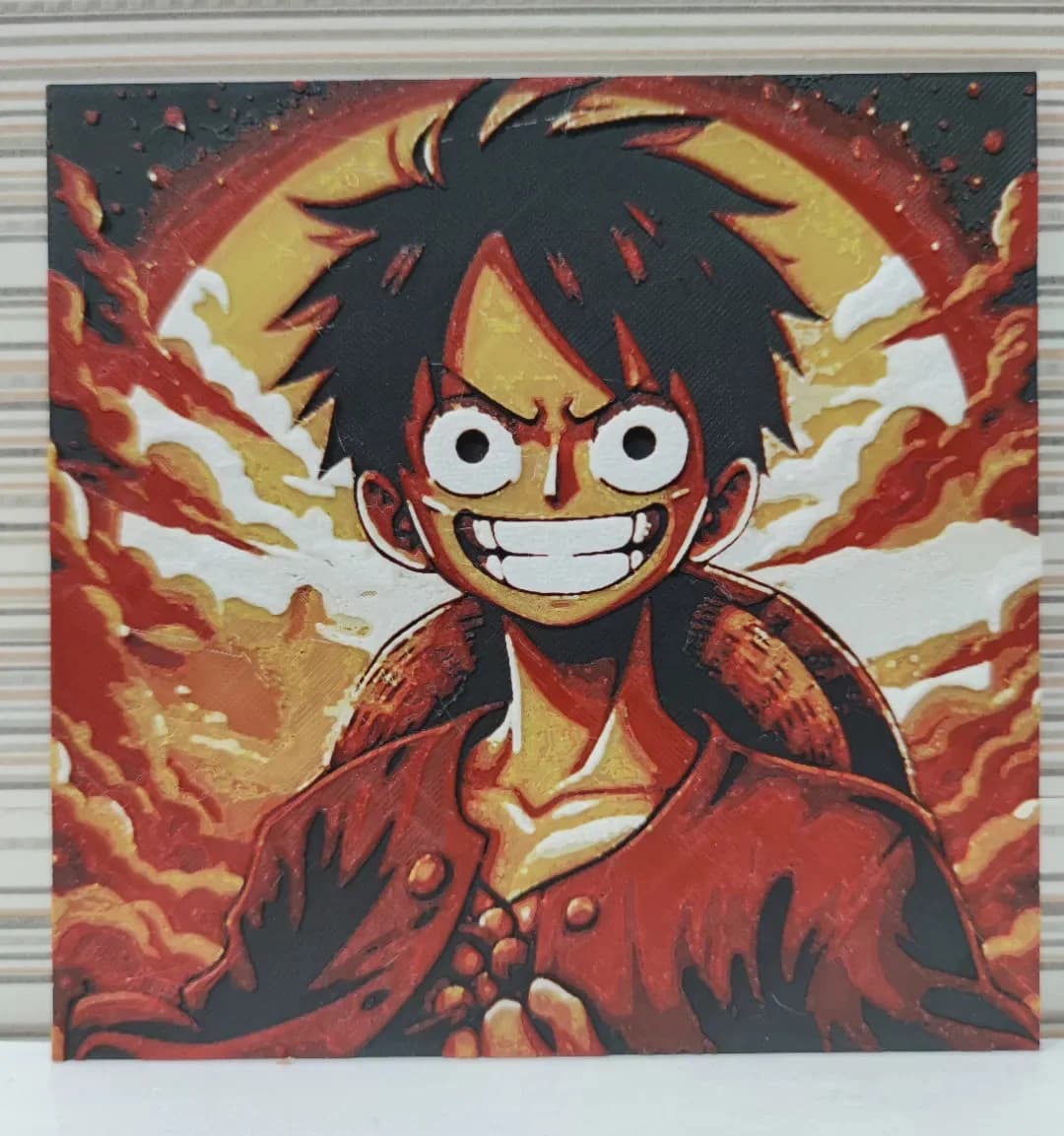
Best Anime 3D Prints for HueForge: From Shōnen Classics to the Modern Wave
The best anime 3D prints to make as HueForge filament paintings — One Piece, Naruto, Dragon Ball, Demon Slayer, Jujutsu Kaisen, Frieren, Gundam, and anime bookmarks, each linked in the HuePick catalog.
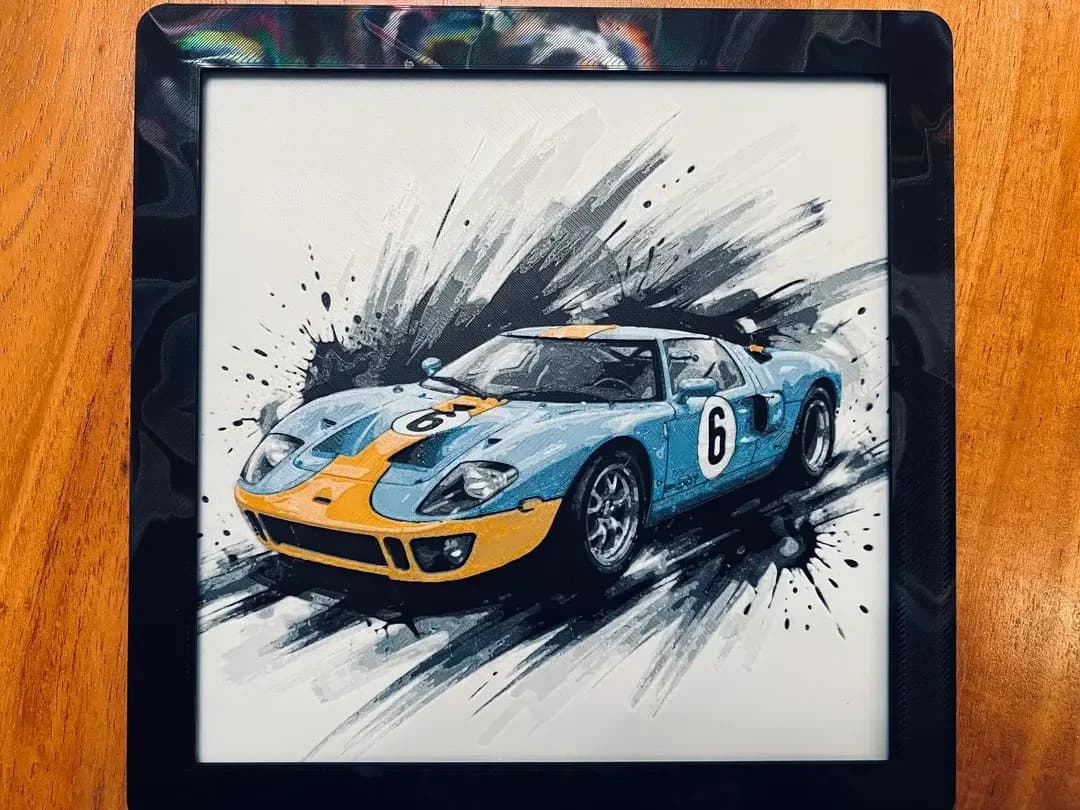
Best Car 3D Prints for HueForge: From Japanese Icons to Movie Cars
The best car 3D prints to make as HueForge filament paintings — JDM legends, supercars, American muscle, F1 and rally posters, and movie icons like the DeLorean, each linked in the HuePick catalog.