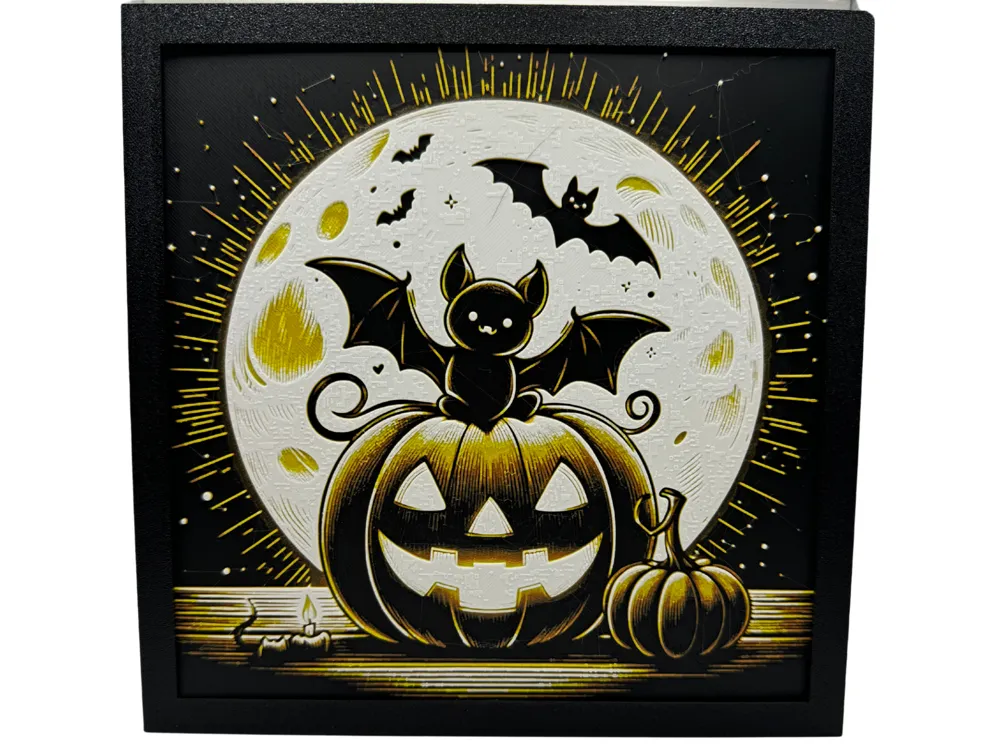
Halloween Pumpkin and Bat
A luminous full moon radiates golden light behind a cheerful jack-o'-lantern crowned with an adorable bat companion. This striking Halloween artwork employs dramatic contrasts between deep blacks and warm yellows, with additional bats silhouetted against the moonlit sky. The woodcut-inspired composition features bold radiating lines that create depth and movement, while small pumpkins and flickering candles complete this enchanting autumn tableau in framed format.
View on MakerWorldRequired Filaments4
Bambu Lab Basic Black
Bambu Lab Basic Orange
Bambu Lab Basic Yellow
Bambu Lab Matte Ivory White
Why filament details may vary
Filament details (brand, color, and TD value) may not exactly match the designer's original specification. In some cases, the designer didn't specify exact filaments and we've matched the closest options we could find. Always check the original listing for full details.
Some filament links are affiliate links — we may earn a small commission at no extra cost to you. Learn more
Sign up to track your filament inventory and check your matches.
Create accountYou Might Also Like
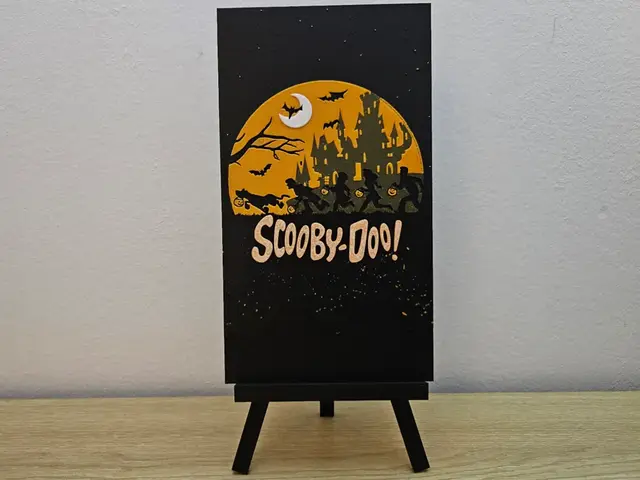
Scooby Doo Halloween Hueforge
by Opao
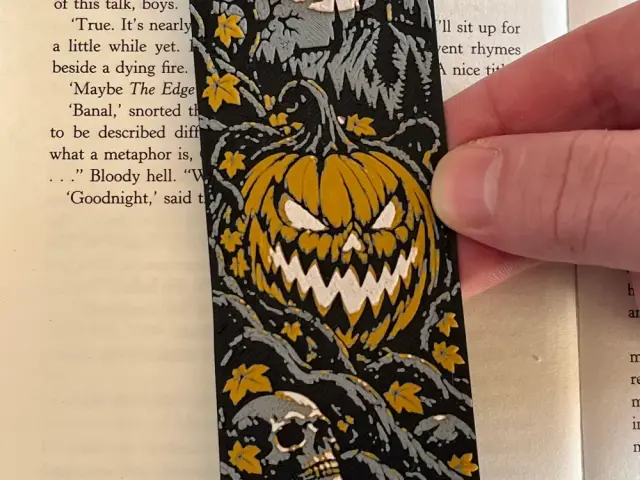
Haunted Pumpkin Bookmark
by HexarHaus
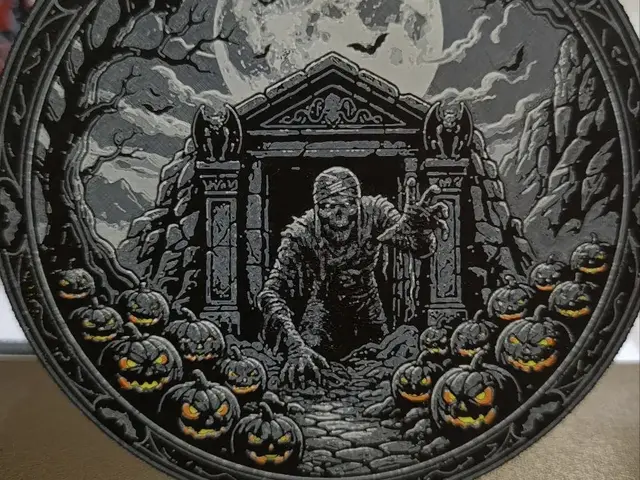
Halloween Mummy Crypt - HueForge
by FYTY112
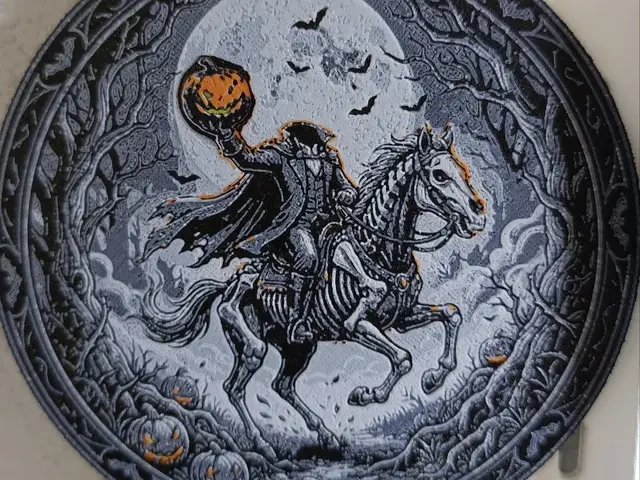
Headless Horseman HueForge for Halloween
by FYTY112
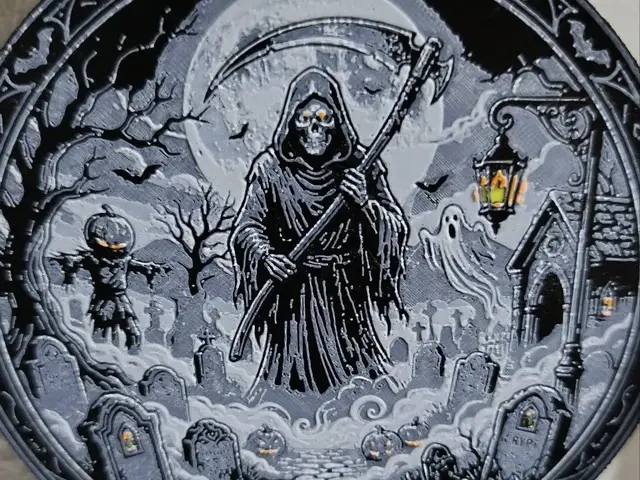
Cemetery Grim Reaper Halloween Decoration
by FYTY112
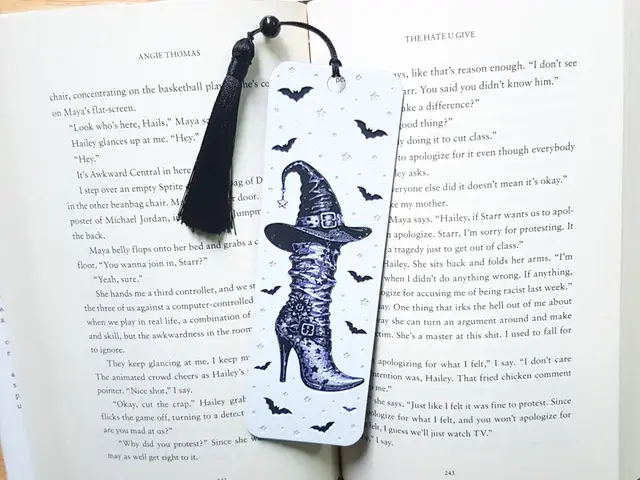
Bookmark, Witch's Boot, Halloween
by Dame Jo
Recent Articles
View all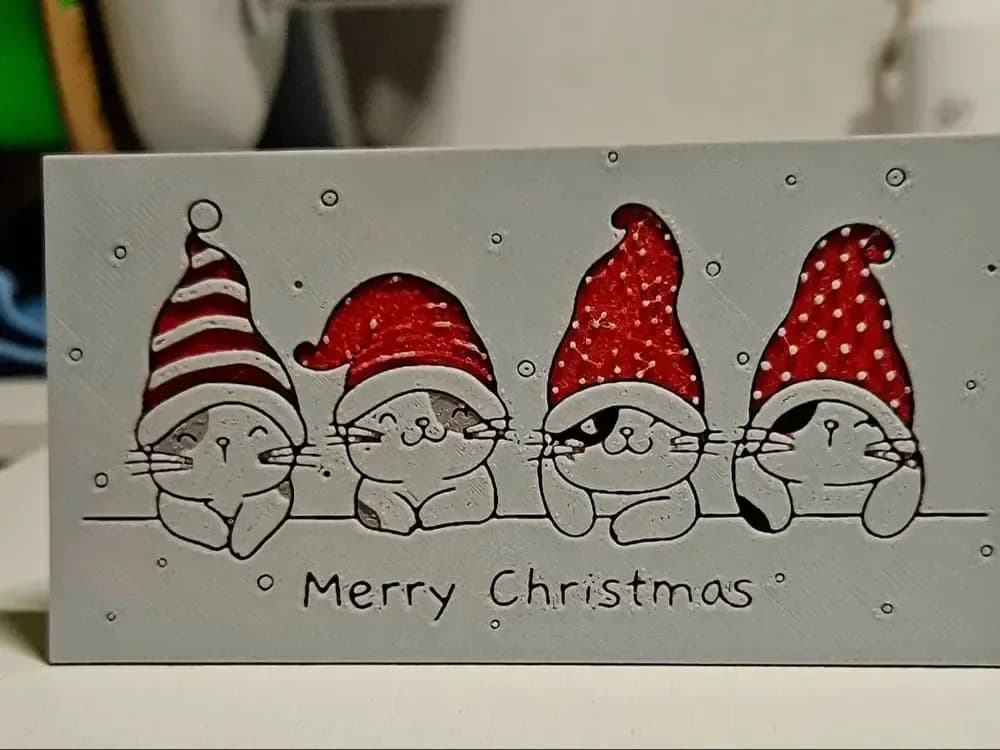
Best Christmas 3D Prints for HueForge: Ornaments, Santa & Holiday Movie Posters
The Christmas 3D prints worth making as HueForge filament paintings — tree ornaments, Santa and snowmen, holiday movie posters, festive fandom crossovers, and gift tags, grouped by theme.
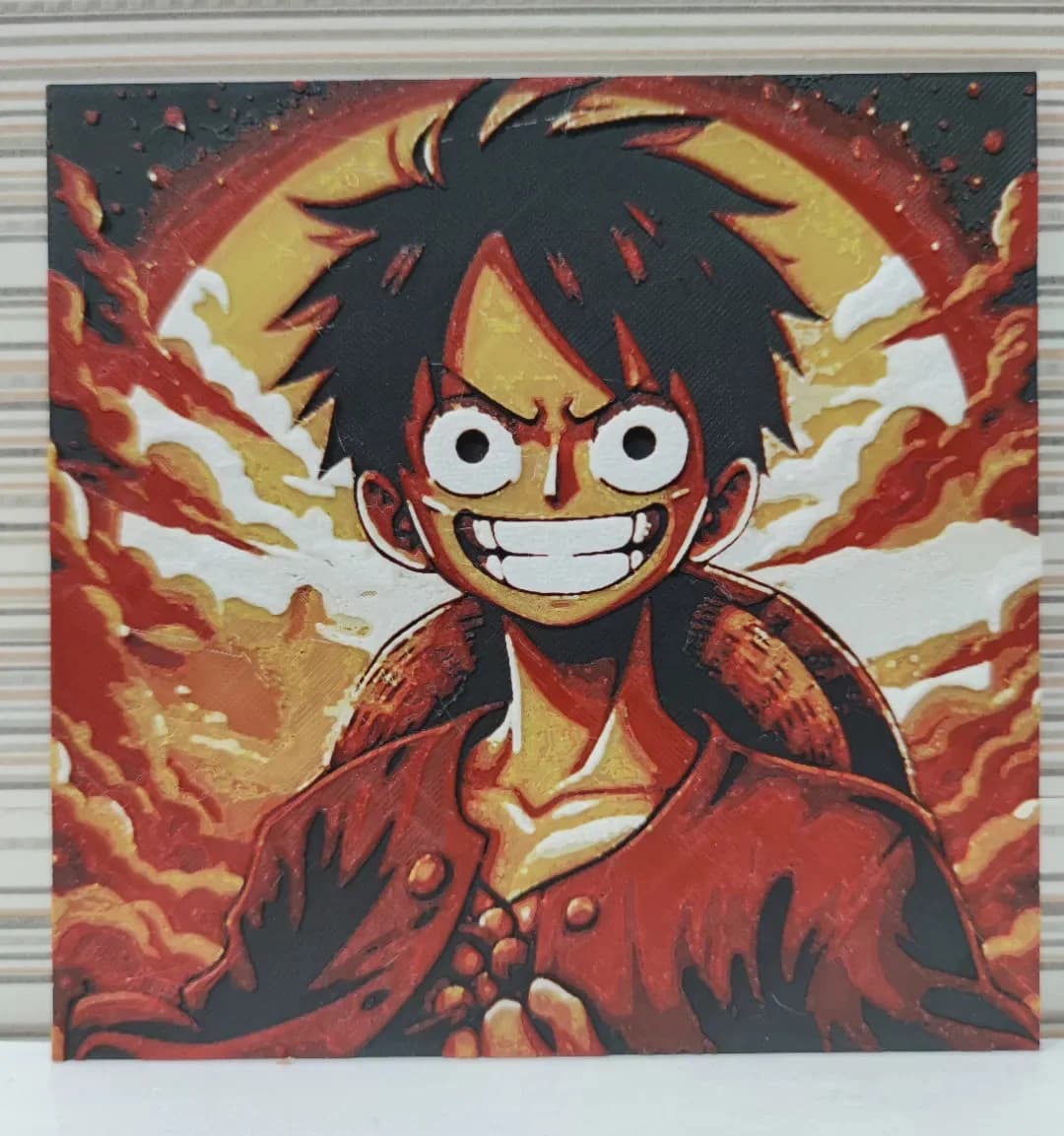
Best Anime 3D Prints for HueForge: From Shōnen Classics to the Modern Wave
The best anime 3D prints to make as HueForge filament paintings — One Piece, Naruto, Dragon Ball, Demon Slayer, Jujutsu Kaisen, Frieren, Gundam, and anime bookmarks, each linked in the HuePick catalog.
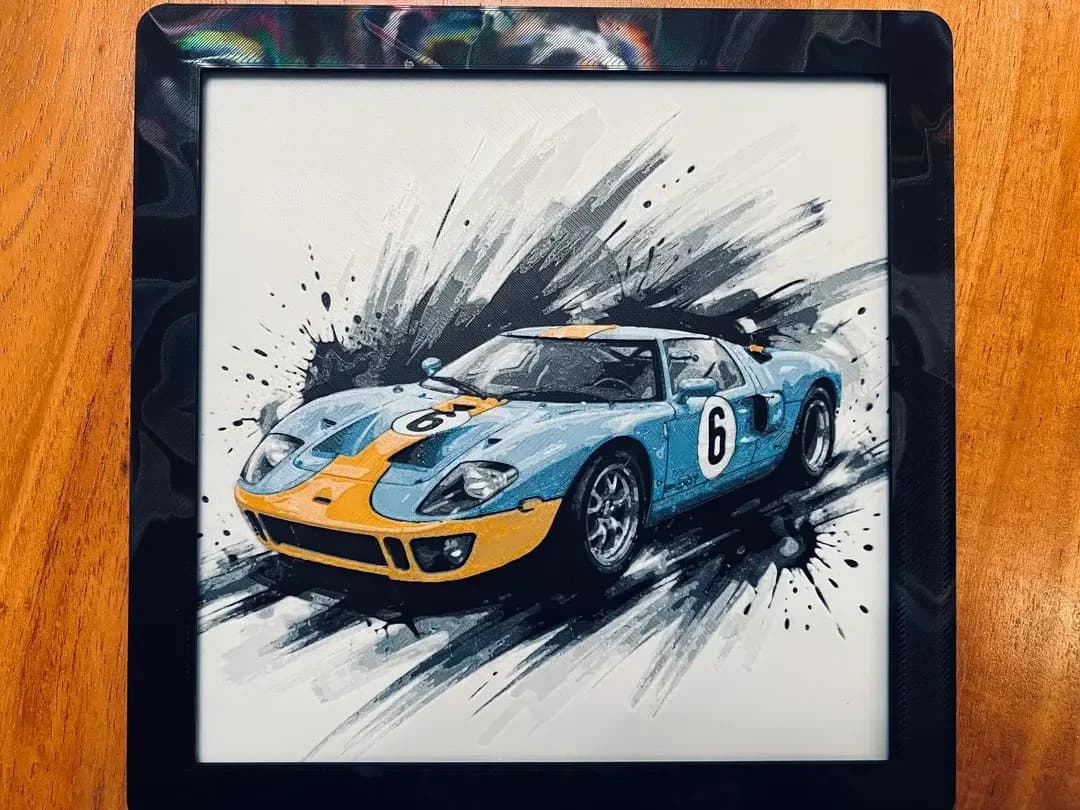
Best Car 3D Prints for HueForge: From Japanese Icons to Movie Cars
The best car 3D prints to make as HueForge filament paintings — JDM legends, supercars, American muscle, F1 and rally posters, and movie icons like the DeLorean, each linked in the HuePick catalog.