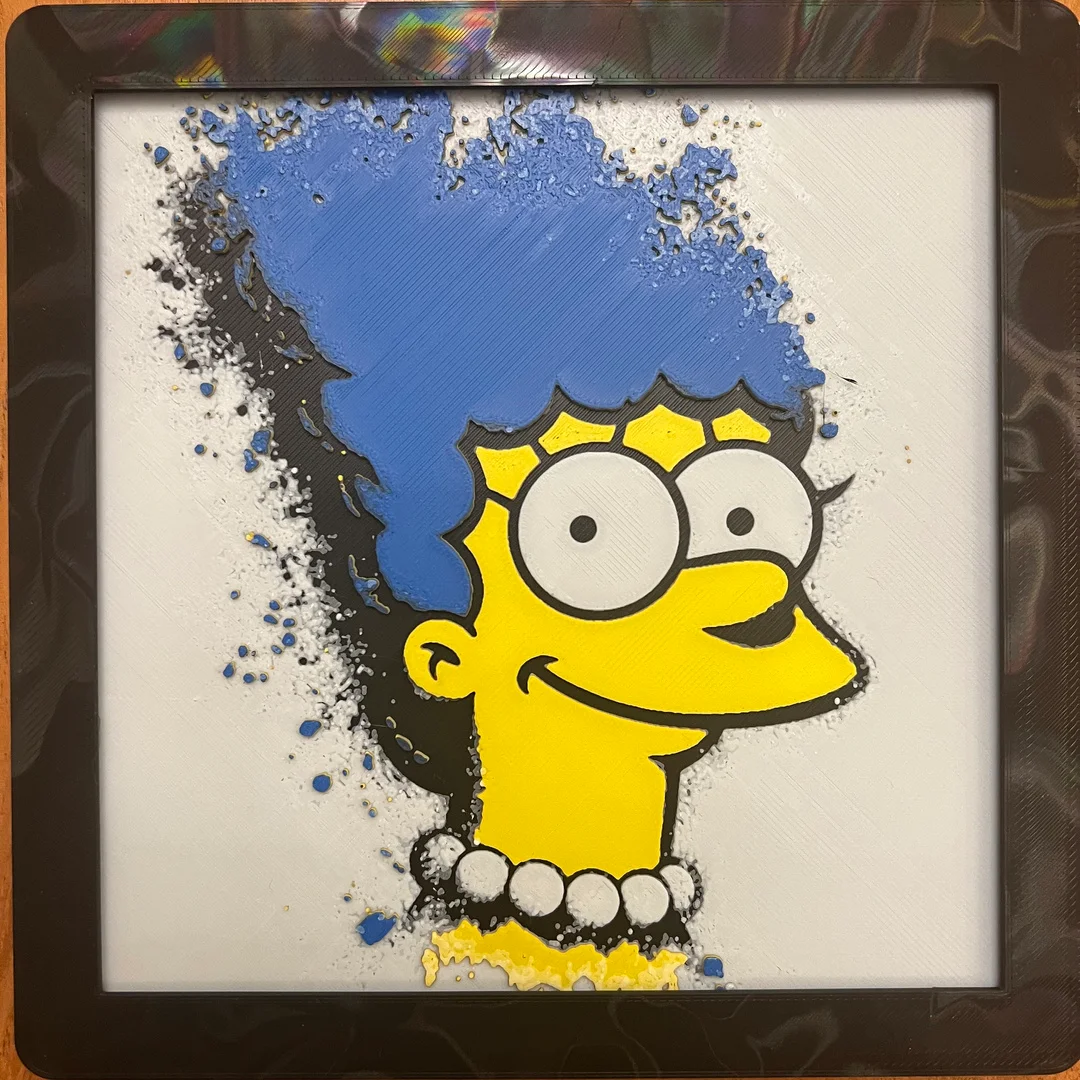
Marge Simpson
Marge Simpson's iconic silhouette explodes into vibrant life through dynamic splatter effects and bold color blocking. JustBe's design captures her distinctive blue hair and yellow complexion with striking contrast, while energetic black ink splatters and azure bursts create movement across the composition. This pop art interpretation celebrates the beloved character with contemporary artistic flair, blending classic animation charm with modern street-art sensibilities.
View on PatreonRequired Filaments4
Bambu Lab Basic Black
Bambu Lab Basic Jade White
Bambu Lab Basic Yellow
Bambu Lab Basic Cobalt Blue
Why filament details may vary
Filament details (brand, color, and TD value) may not exactly match the designer's original specification. In some cases, the designer didn't specify exact filaments and we've matched the closest options we could find. Always check the original listing for full details.
Some filament links are affiliate links — we may earn a small commission at no extra cost to you. Learn more
Sign up to track your filament inventory and check your matches.
Create accountYou Might Also Like
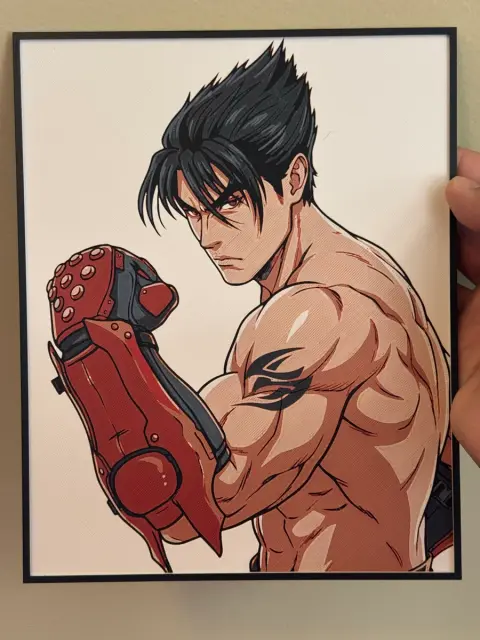
Jin Kazama
by Strata Prints
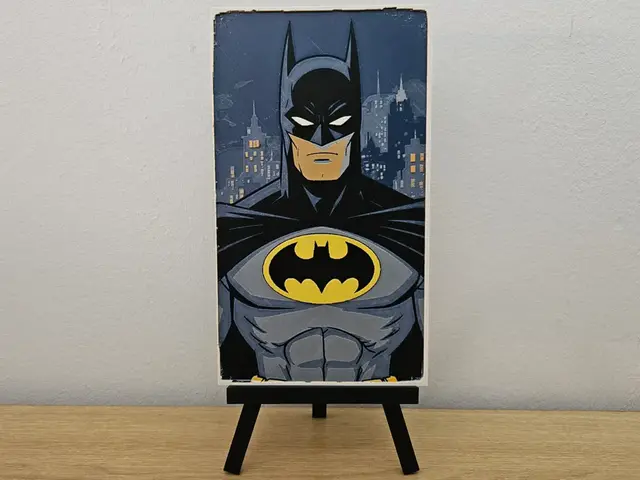
Classic Batman Comic HueForge
by Opao
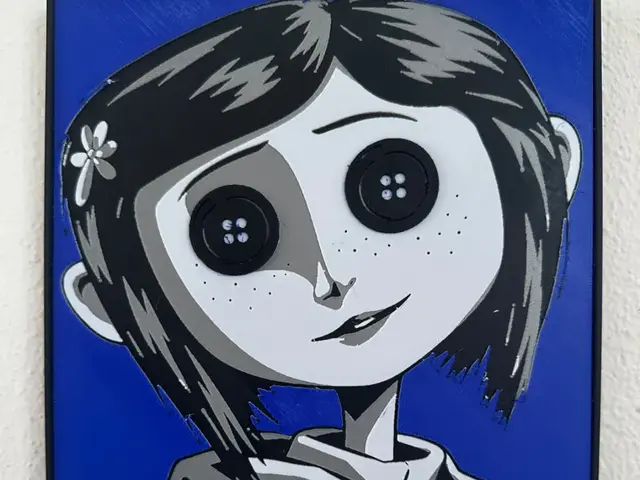
Coraline Hueforge 3d Button eyes
by TowerLayers
Shanks Red Collection
by TowerLayers
Eustass Kid Red Collection
by TowerLayers
Toph Beifong - Avatar Hueforge
by Canadian Gamer
Recent Articles
View all
Best 3D Printed Gifts for Everyone on Your List — Made with HueForge
The best 3D printed gifts for everyone on your list, made with HueForge — custom pet and portrait art, ornaments and gift tags, bookmarks, and fandom prints matched to the recipient, plus how to turn gift requests into income.
Best Christmas 3D Prints for HueForge: Ornaments, Santa & Holiday Movie Posters
The Christmas 3D prints worth making as HueForge filament paintings — tree ornaments, Santa and snowmen, holiday movie posters, festive fandom crossovers, and gift tags, grouped by theme.
Best Anime 3D Prints for HueForge: From Shōnen Classics to the Modern Wave
The best anime 3D prints to make as HueForge filament paintings — One Piece, Naruto, Dragon Ball, Demon Slayer, Jujutsu Kaisen, Frieren, Gundam, and anime bookmarks, each linked in the HuePick catalog.