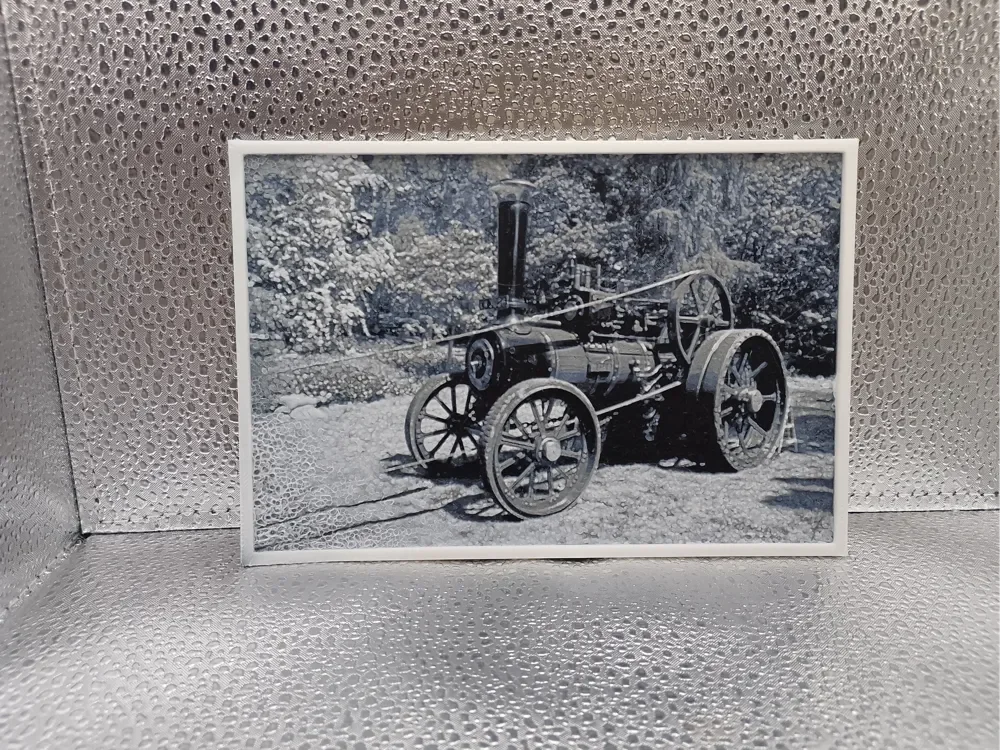
Motor Plough “Jessie” – Hueforge
The vintage steam-powered "Motor Plough Jessie" stands proudly against a rocky quarry backdrop, her industrial elegance captured in striking monochromatic detail. This nostalgic agricultural workhorse showcases the transition from horse-drawn implements to mechanized farming, with her distinctive tall smokestack, spoked wheels, and robust engineering rendered in crisp grayscale tones. The weathered stone terrain emphasizes the rugged durability of early 20th-century farm machinery.
View on MakerWorldRequired Filaments4
Why filament details may vary
Filament details (brand, color, and TD value) may not exactly match the designer's original specification. In some cases, the designer didn't specify exact filaments and we've matched the closest options we could find. Always check the original listing for full details.
Some filament links are affiliate links — we may earn a small commission at no extra cost to you. Learn more
Sign up to track your filament inventory and check your matches.
Create accountYou Might Also Like
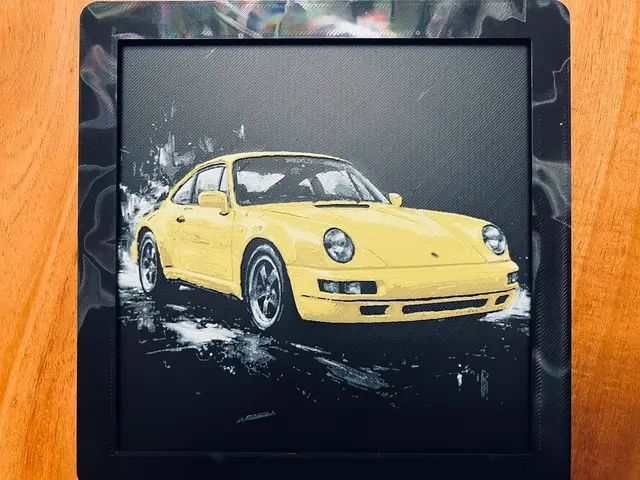
Porche 911
by JustBe 3D Printing
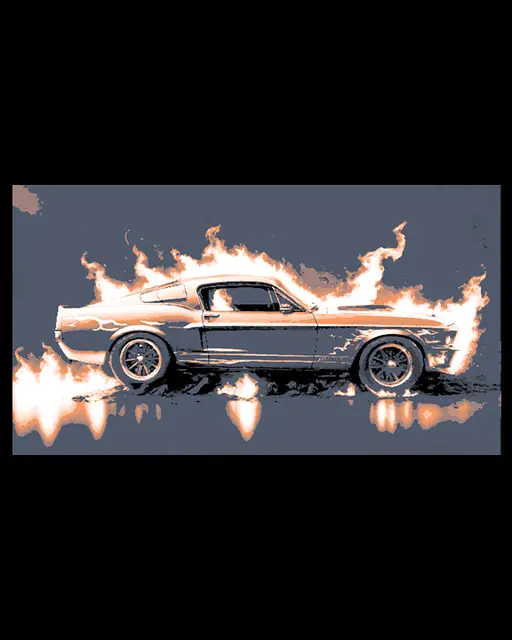
Artful Creation - Classic Ford Mustang on Fire! - Car Collection Model
by BooneCo3d
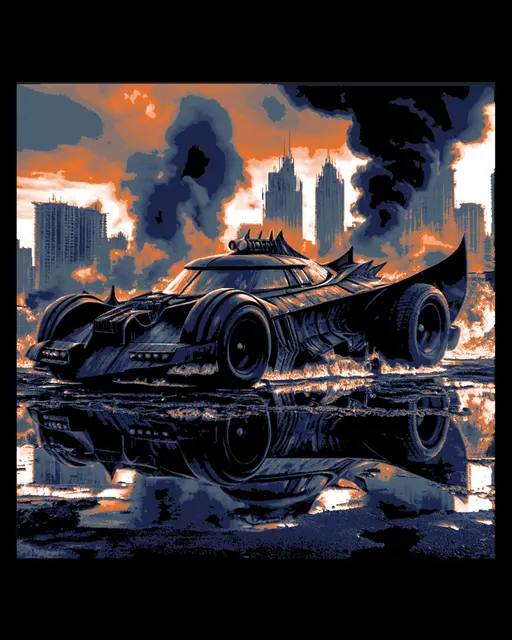
The Batmobile in the Apocalypse - Flames and All - Hueforge art
by BooneCo3d
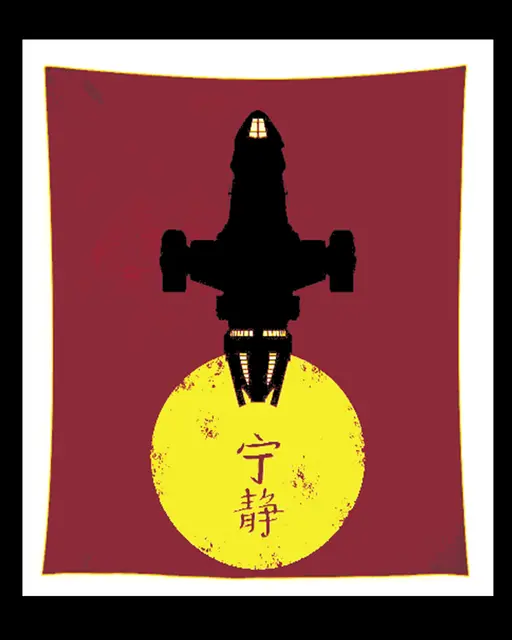
Fly the Flag of Serenity - Firefly - hueforge Wall art design
by BooneCo3d
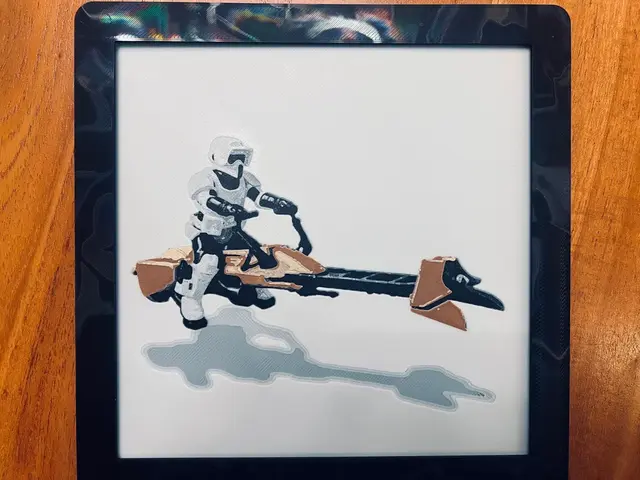
Speeder Bike
by JustBe 3D Printing
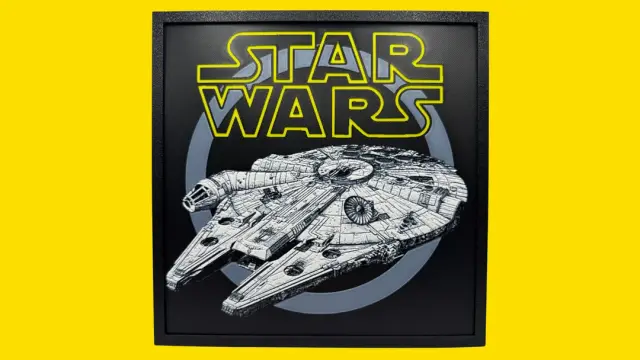
Millennium Falcon - Star Wars Hueforge
by Canadian Gamer
Recent Articles
View all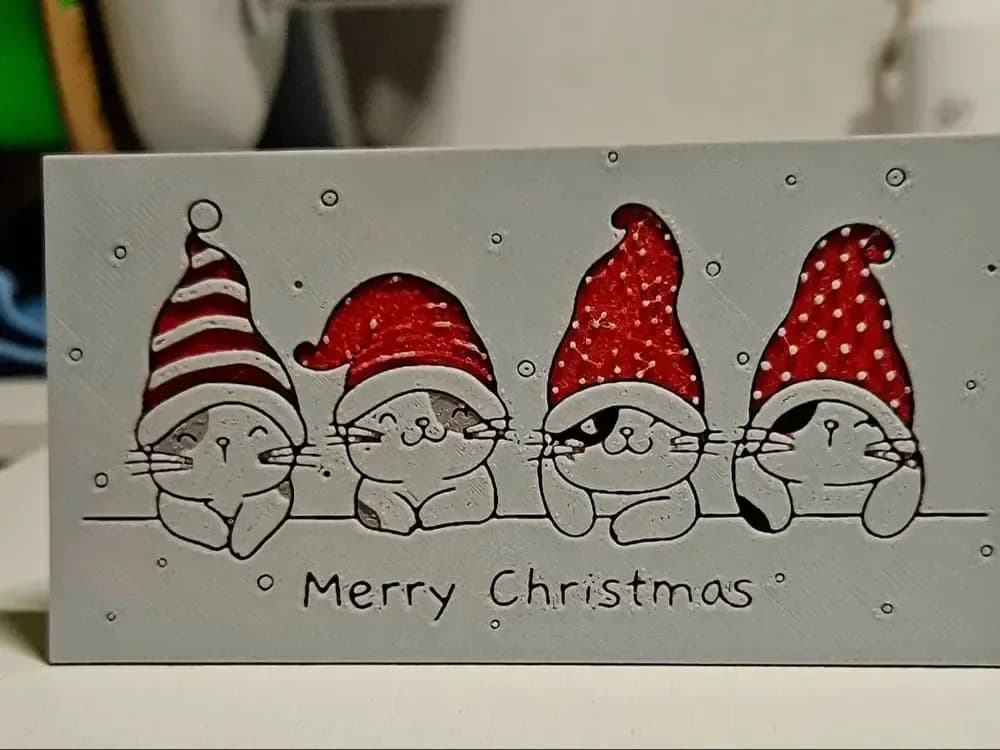
Best Christmas 3D Prints for HueForge: Ornaments, Santa & Holiday Movie Posters
The Christmas 3D prints worth making as HueForge filament paintings — tree ornaments, Santa and snowmen, holiday movie posters, festive fandom crossovers, and gift tags, grouped by theme.
Best Anime 3D Prints for HueForge: From Shōnen Classics to the Modern Wave
The best anime 3D prints to make as HueForge filament paintings — One Piece, Naruto, Dragon Ball, Demon Slayer, Jujutsu Kaisen, Frieren, Gundam, and anime bookmarks, each linked in the HuePick catalog.
Best Car 3D Prints for HueForge: From Japanese Icons to Movie Cars
The best car 3D prints to make as HueForge filament paintings — JDM legends, supercars, American muscle, F1 and rally posters, and movie icons like the DeLorean, each linked in the HuePick catalog.