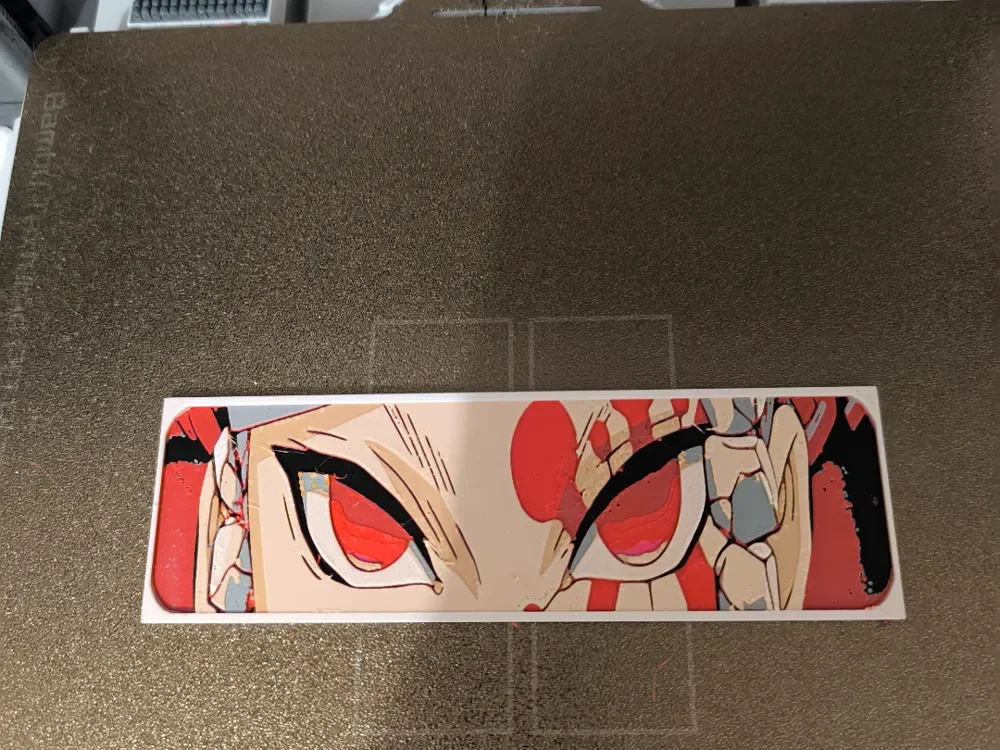
Mp uzui Tengen
by Dark behelit
Piercing crimson eyes blaze with supernatural intensity in this striking portrayal of Uzui Tengen, the flamboyant Sound Hashira from Demon Slayer. Dark Behelit's design captures the demon slayer's fierce gaze through dramatic angular composition, where vivid reds dominate against flesh tones and bold black accents. The fragmented, almost crystalline style emphasizes Tengen's formidable presence, with geometric elements that seem to crack across his distinctive features, creating a powerful piece that embodies his flashy yet deadly nature.
View on MakerWorldRequired Filaments9
Bambu Lab Basic Black
Bambu Lab Basic Jade White
Bambu Lab Basic Red
Bambu Lab Basic Magenta
Bambu Lab Basic Light Gray
Bambu Lab Basic Brown
Bambu Lab Basic Orange
Bambu Lab Basic Beige
Bambu Lab Basic Gray
Why filament details may vary
Filament details (brand, color, and TD value) may not exactly match the designer's original specification. In some cases, the designer didn't specify exact filaments and we've matched the closest options we could find. Always check the original listing for full details.
Some filament links are affiliate links — we may earn a small commission at no extra cost to you. Learn more
Sign up to track your filament inventory and check your matches.
Create accountYou Might Also Like
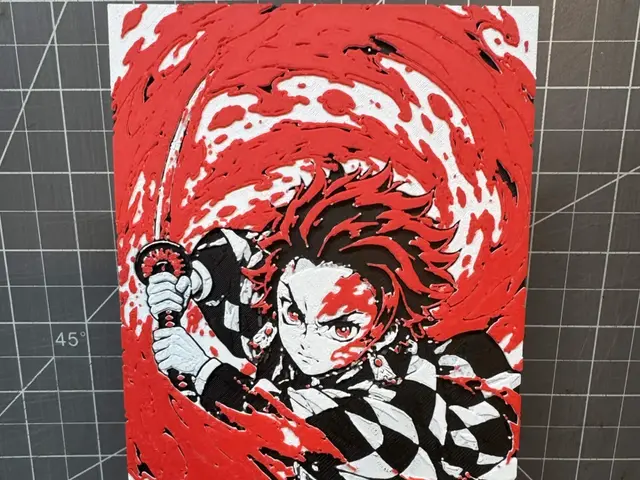
Hueforge of Tanjiro Kamado from Demon Slayer
by SBC Creations

DS
by Krave

Tanjiro Kamado
by Krave
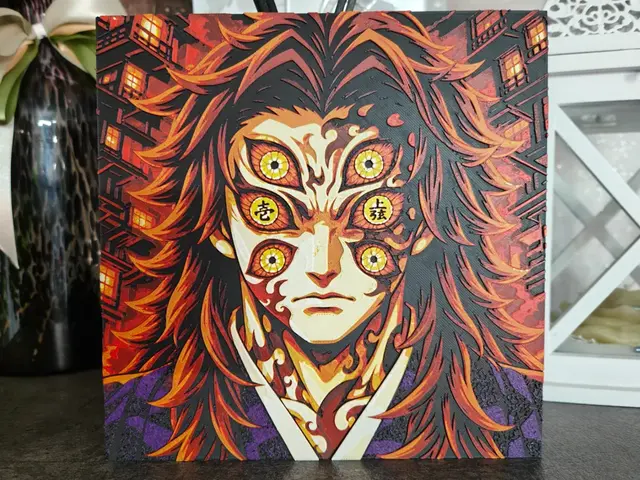
Kokushibo First Waxing Moon HueForge
by S1M0N389
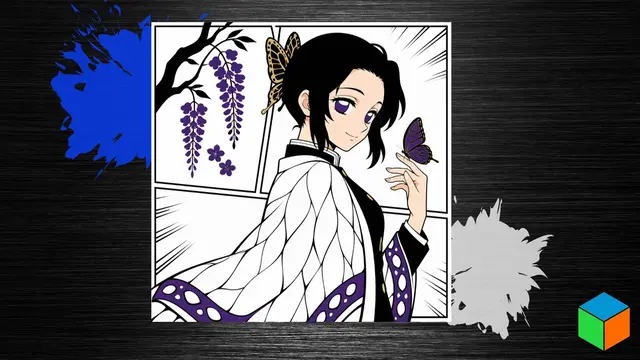
Shinobu Kocho — Five Filaments and a Touch of Purple
by 3D Prints By Vic
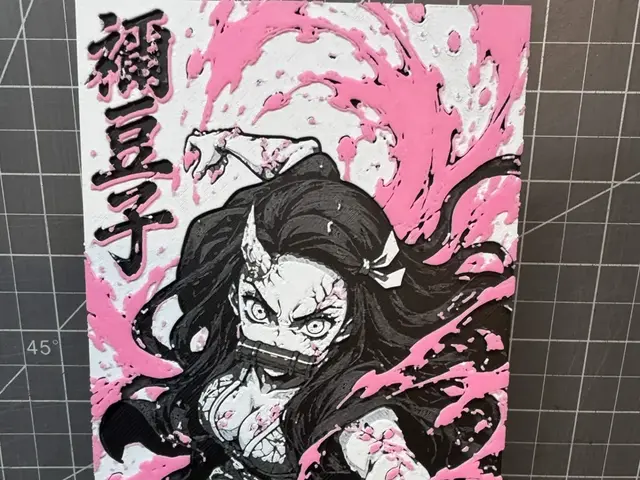
Hueforge of Nezuko Kamado from demon slayer
by SBC Creations
Recent Articles
View all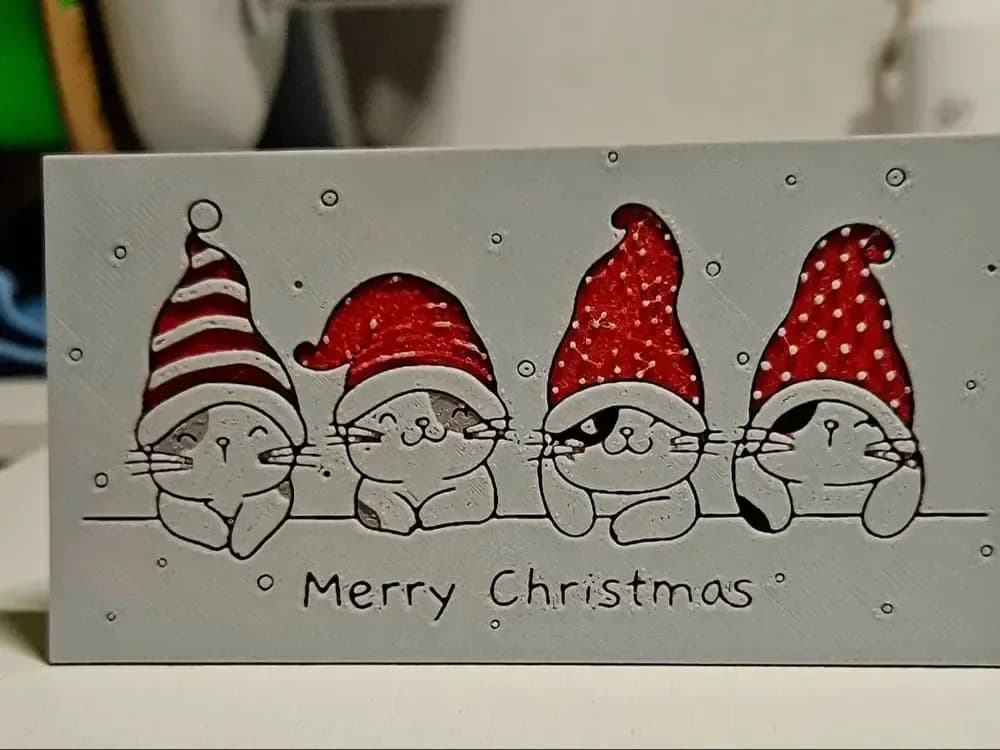
Best Christmas 3D Prints for HueForge: Ornaments, Santa & Holiday Movie Posters
The Christmas 3D prints worth making as HueForge filament paintings — tree ornaments, Santa and snowmen, holiday movie posters, festive fandom crossovers, and gift tags, grouped by theme.
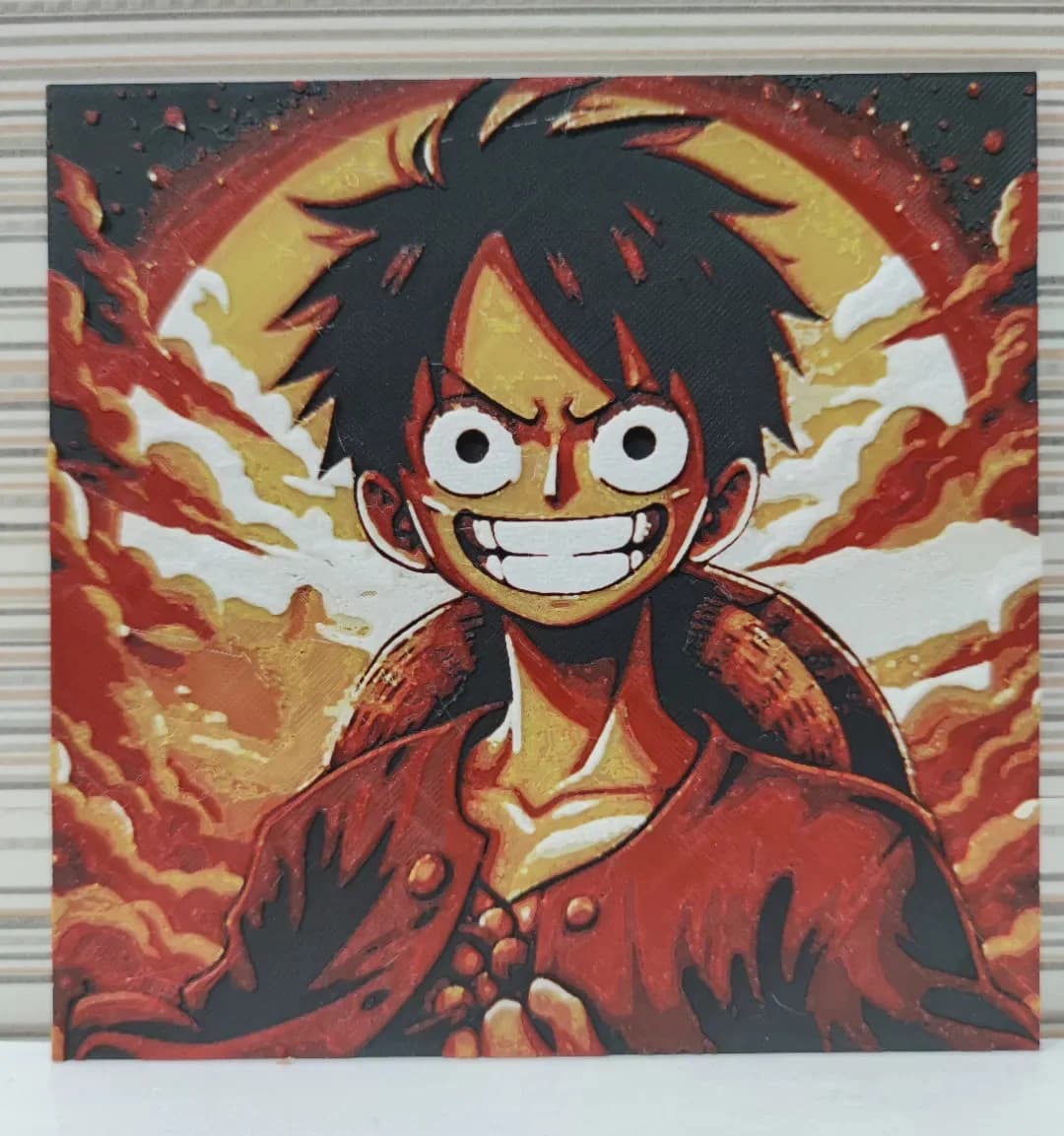
Best Anime 3D Prints for HueForge: From Shōnen Classics to the Modern Wave
The best anime 3D prints to make as HueForge filament paintings — One Piece, Naruto, Dragon Ball, Demon Slayer, Jujutsu Kaisen, Frieren, Gundam, and anime bookmarks, each linked in the HuePick catalog.
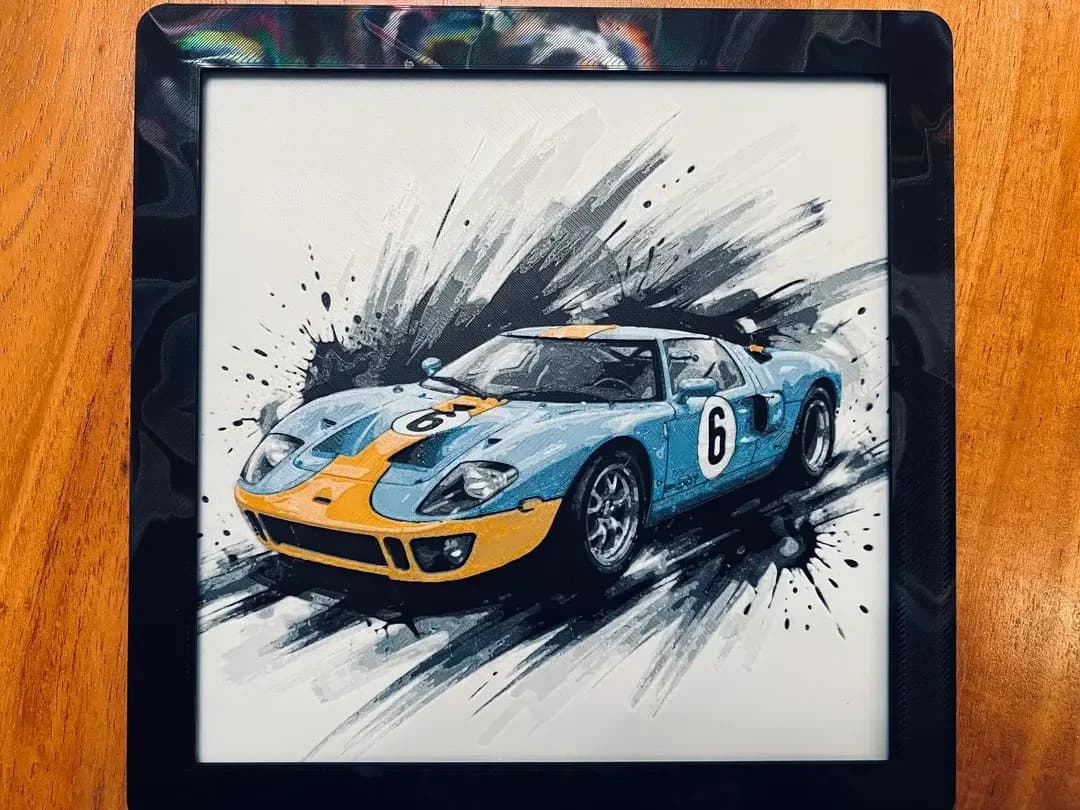
Best Car 3D Prints for HueForge: From Japanese Icons to Movie Cars
The best car 3D prints to make as HueForge filament paintings — JDM legends, supercars, American muscle, F1 and rally posters, and movie icons like the DeLorean, each linked in the HuePick catalog.