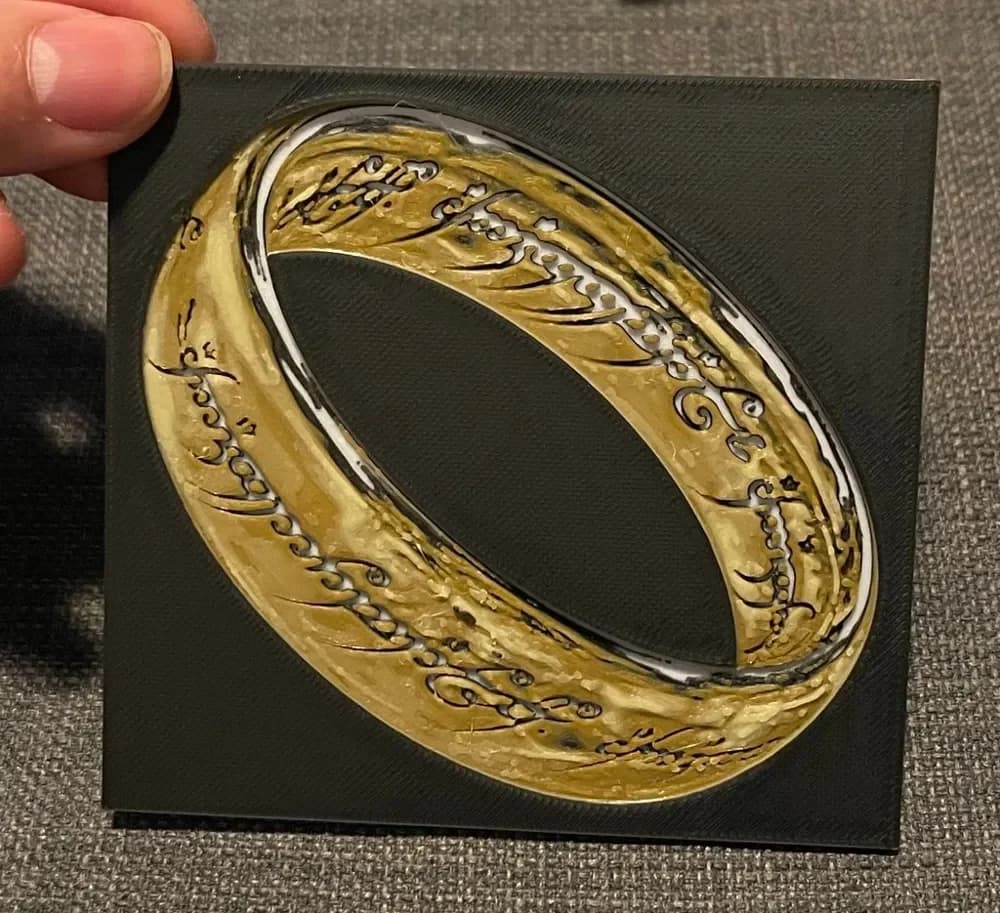
One Ring - Dual Print and Lithophane - Hueforge Print
by cyanidesugar
The precious golden ring gleams with ancient Elvish script, its surface catching light through masterful dual-print technology. Rich amber and bronze tones create depth across the band's curved surface, while the lithophane technique reveals intricate details in the flowing text. This ingenious design combines traditional 3D printing with translucent elements, allowing the One Ring's mystical inscriptions to emerge with stunning clarity and dimensional realism.
View on MakerWorldRequired Filaments4
Why filament details may vary
Filament details (brand, color, and TD value) may not exactly match the designer's original specification. In some cases, the designer didn't specify exact filaments and we've matched the closest options we could find. Always check the original listing for full details.
Some filament links are affiliate links — we may earn a small commission at no extra cost to you. Learn more
Sign up to track your filament inventory and check your matches.
Create accountYou Might Also Like
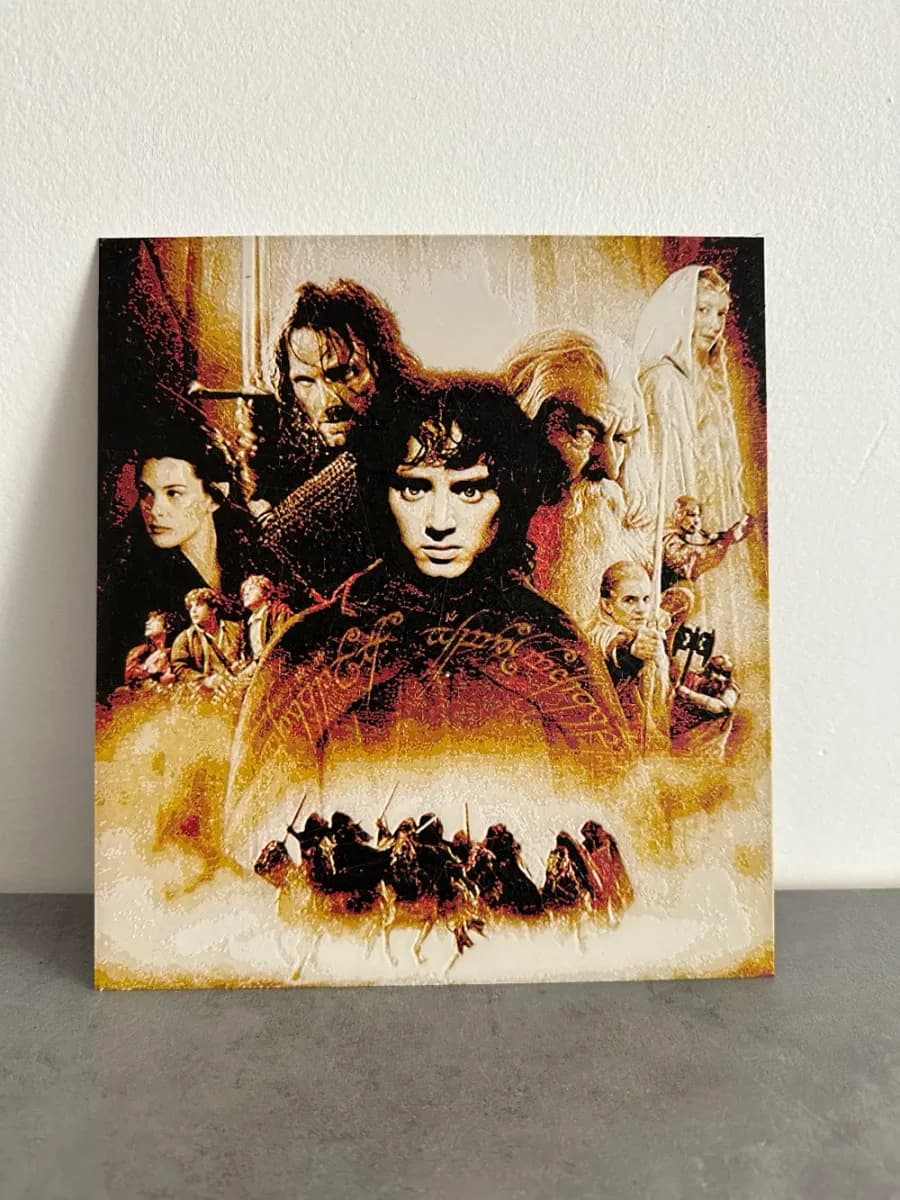
Lord of the rings hue forge final
by Giamma933
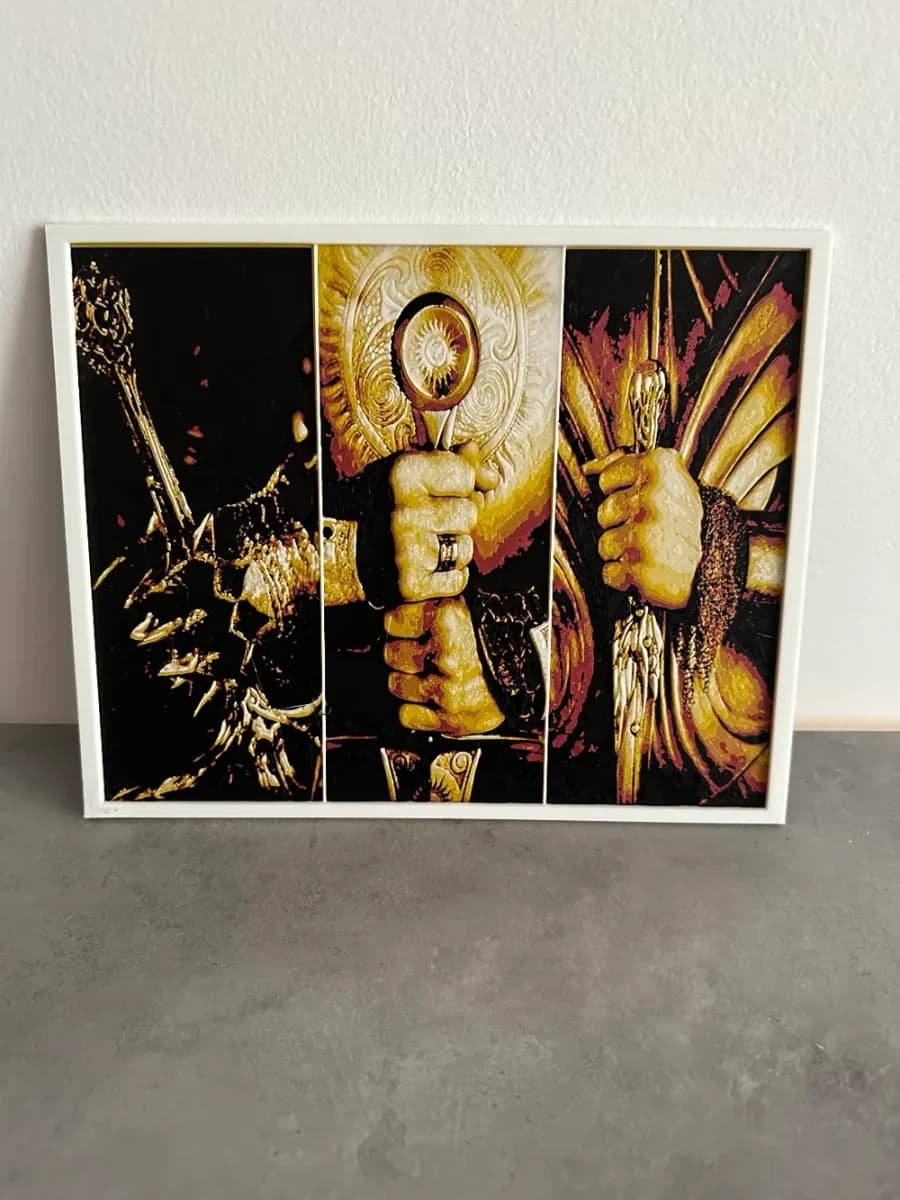
Lord of the rings 2 final
by Giamma933
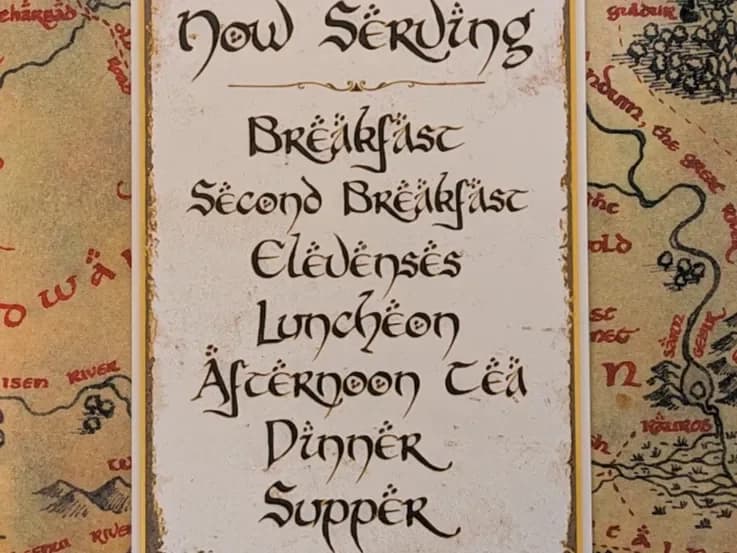
Lord of the Rings Elevenses
by S0und_Lab

The Lord of the Rings - Hueforge (150x200)
by 3DWave
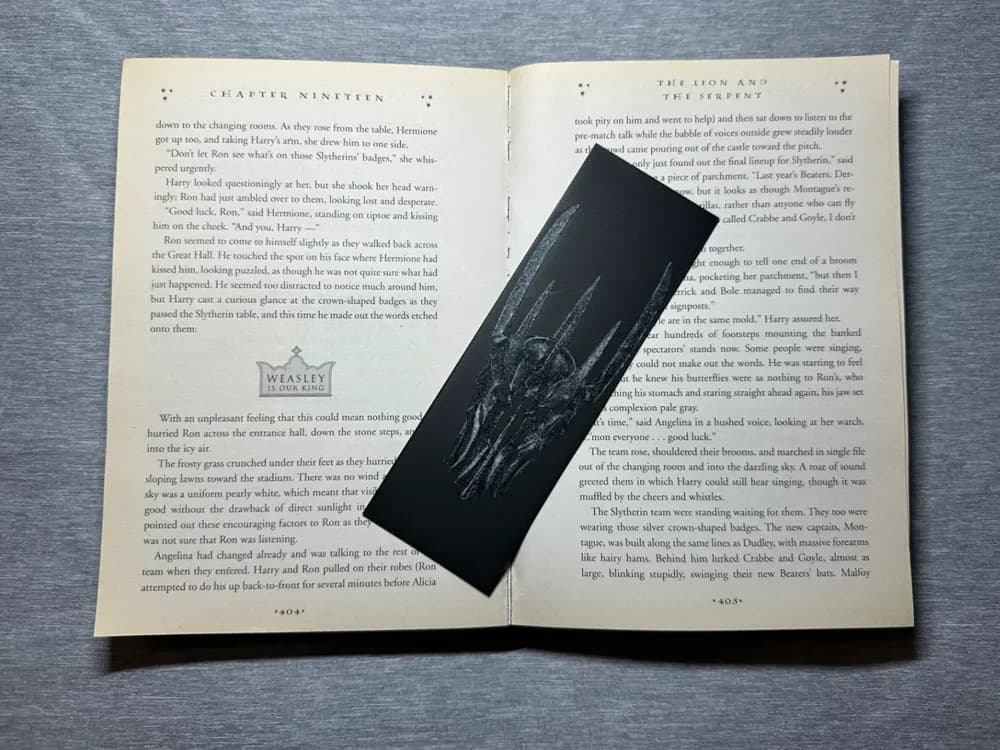
Sauron Helm Lord of the Rings Bookmark
by Hey Ben
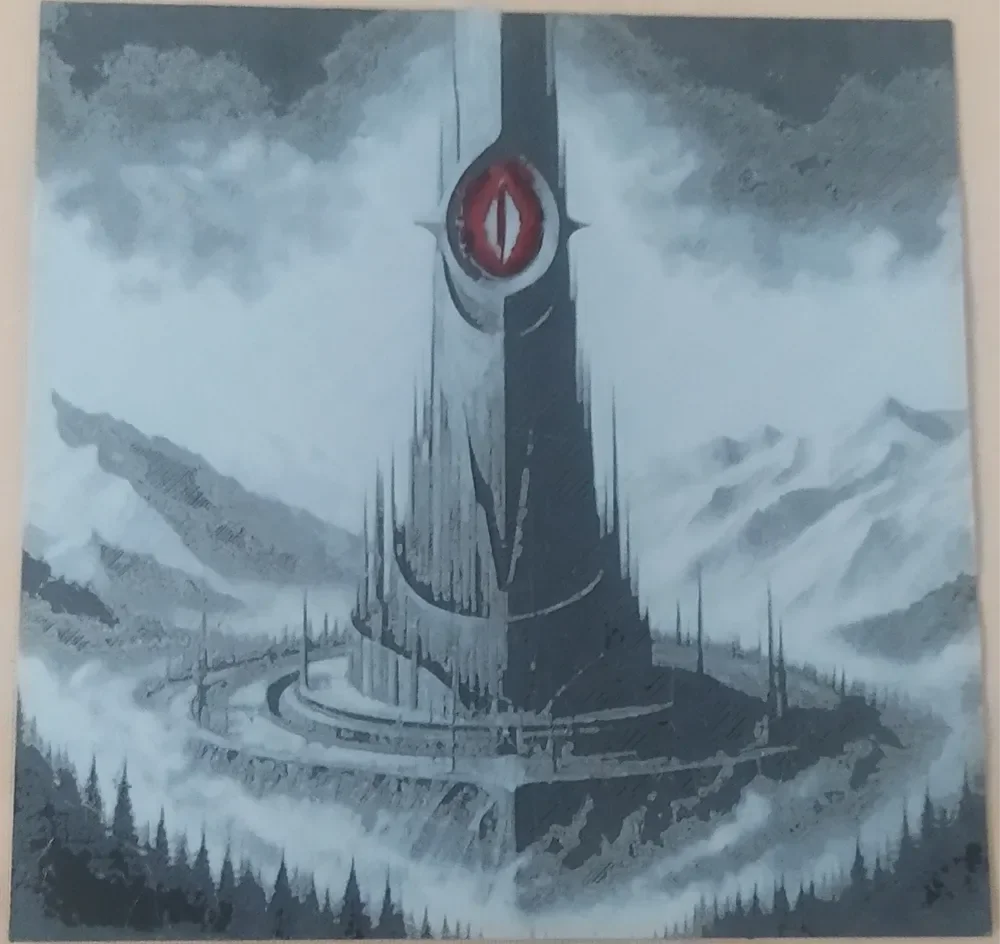
hueforge Barad-Dur Sauron
by 3Dprintsbar
Recent Articles
View all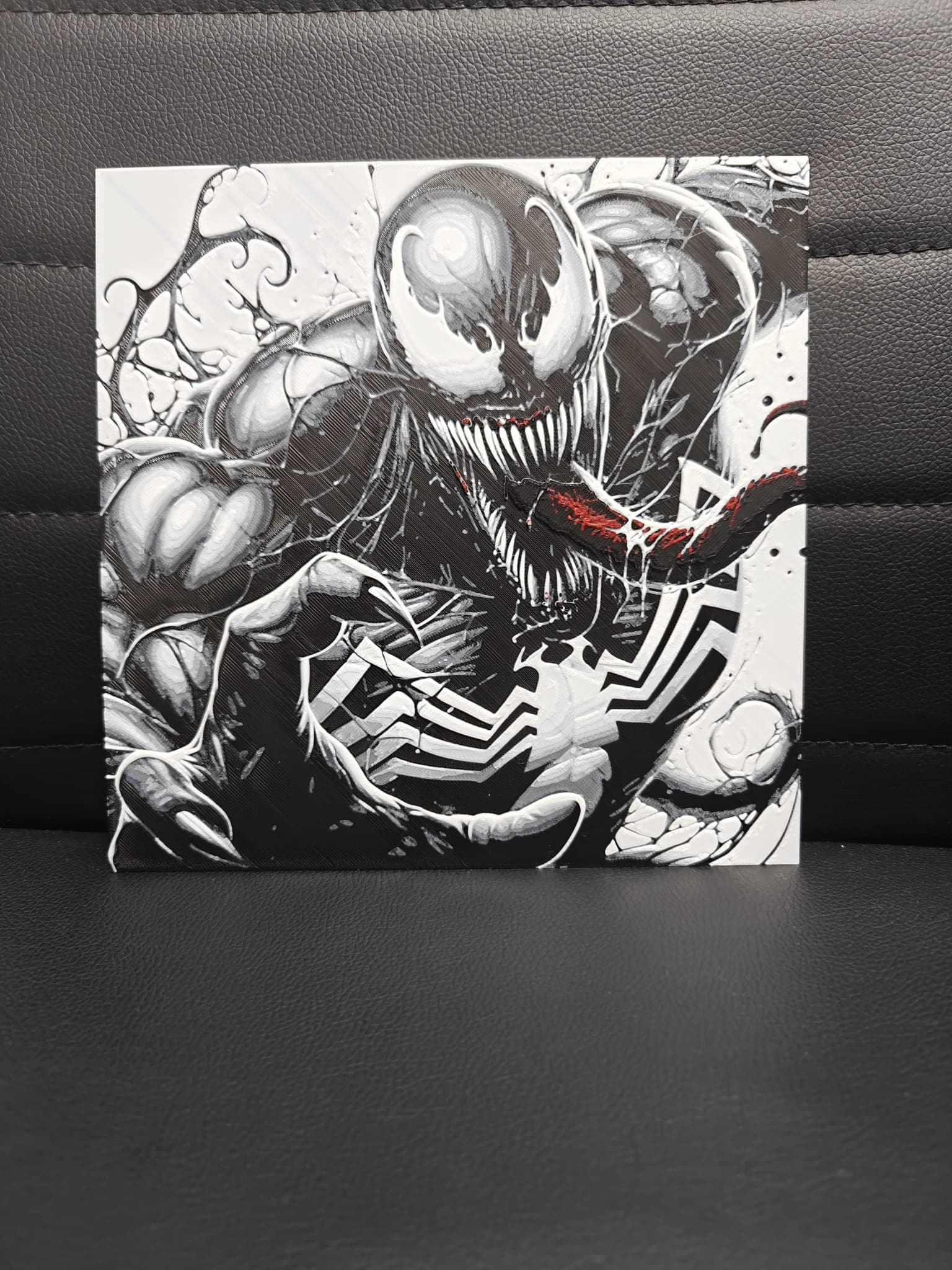
Best Marvel STL Files for HueForge: Symbiotes, Avengers & Iconic Items
The Marvel STL files actually worth printing as HueForge filament paintings — Venom, Hulk, Wolverine, Mjolnir, Cap's shield, Groot, and the Infinity Gauntlet, each with the position the catalog takes on it.
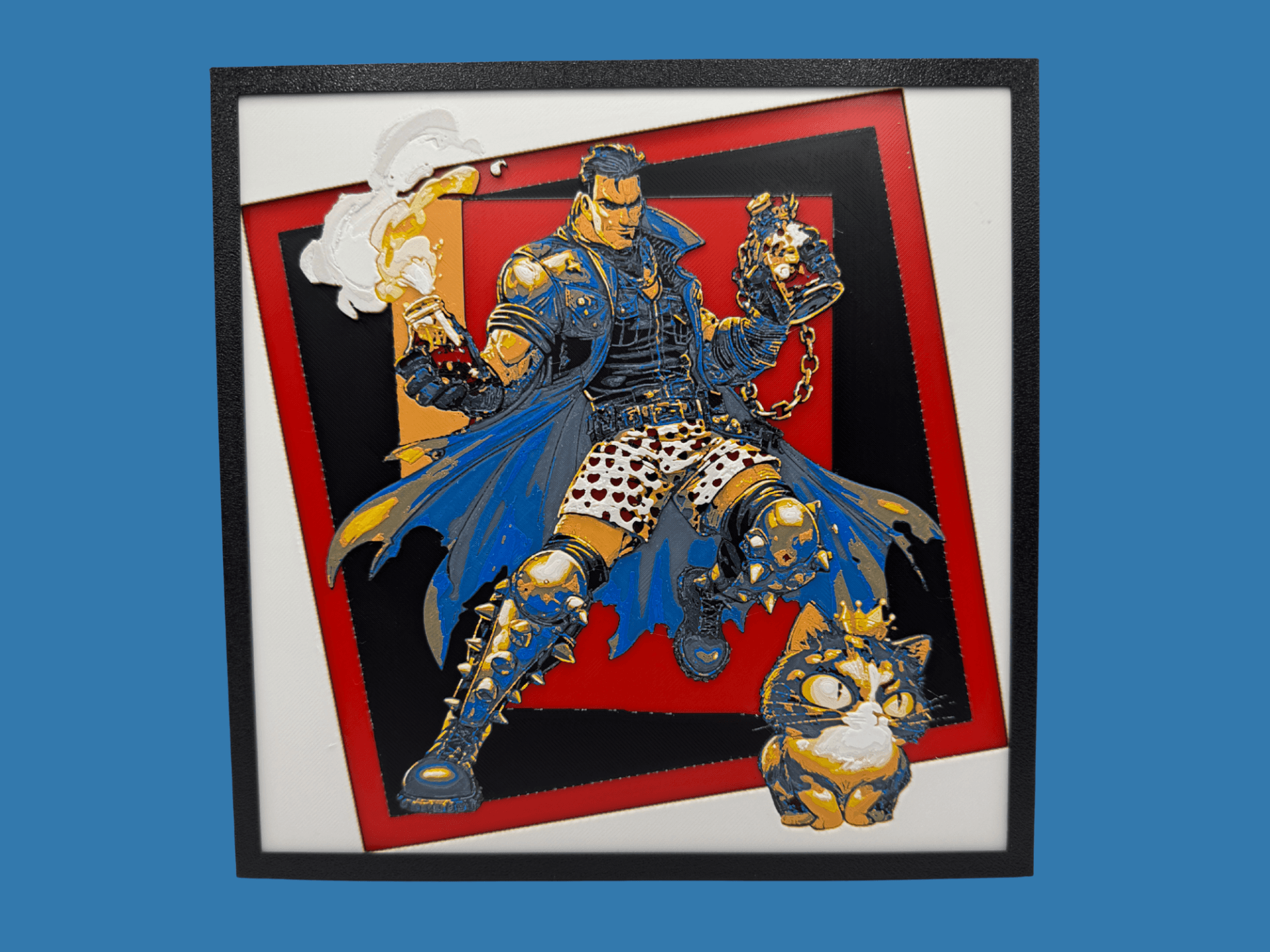
Best Dungeon Crawler Carl STL Files for HueForge: Book Covers, Carl & Donut & More
The Dungeon Crawler Carl STL files worth printing as HueForge filament paintings — all eight book covers, Carl and Donut, Mongo, Prepotente, the Princess Posse, and more.
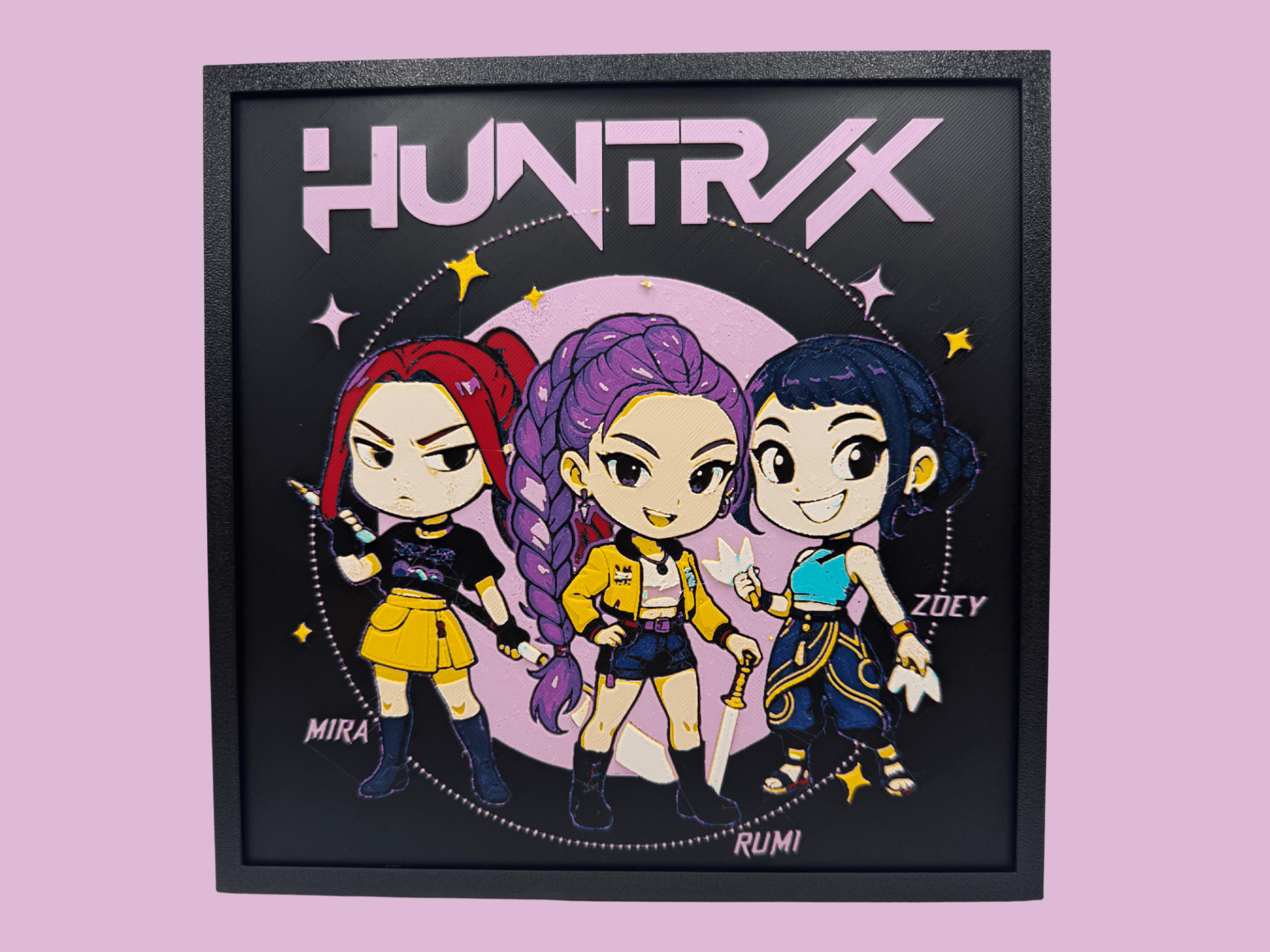
Best KPop Demon Hunters STL Files for HueForge: Huntrix, Saja Boys & More
The KPop Demon Hunters STL files worth printing as HueForge filament paintings — the Huntrix trio, the Saja Boys, Derpy Cat and Sussie, and the bookmarks.