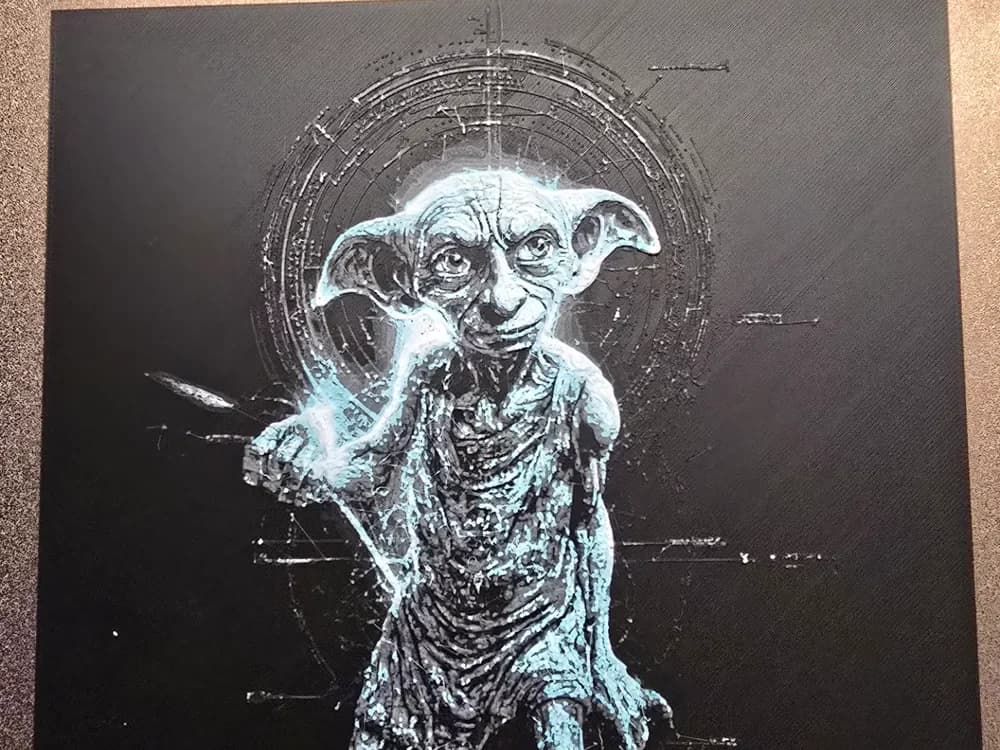
Harry Potter - Dobby
by 3D-Mentiel
Dobby's expressive eyes shine with loyalty and determination in this striking tribute to Harry Potter's beloved house-elf. Rendered in ethereal blues and whites against a dramatic dark background, the faithful servant clutches his wand with fierce resolve. Intricate magical circles frame his weathered features, while his tattered clothing tells the story of servitude transformed into freedom through friendship and courage.
View on MakerWorldRequired Filaments4
Why filament details may vary
Filament details (brand, color, and TD value) may not exactly match the designer's original specification. In some cases, the designer didn't specify exact filaments and we've matched the closest options we could find. Always check the original listing for full details.
Some filament links are affiliate links — we may earn a small commission at no extra cost to you. Learn more
Sign up to track your filament inventory and check your matches.
Create accountYou Might Also Like
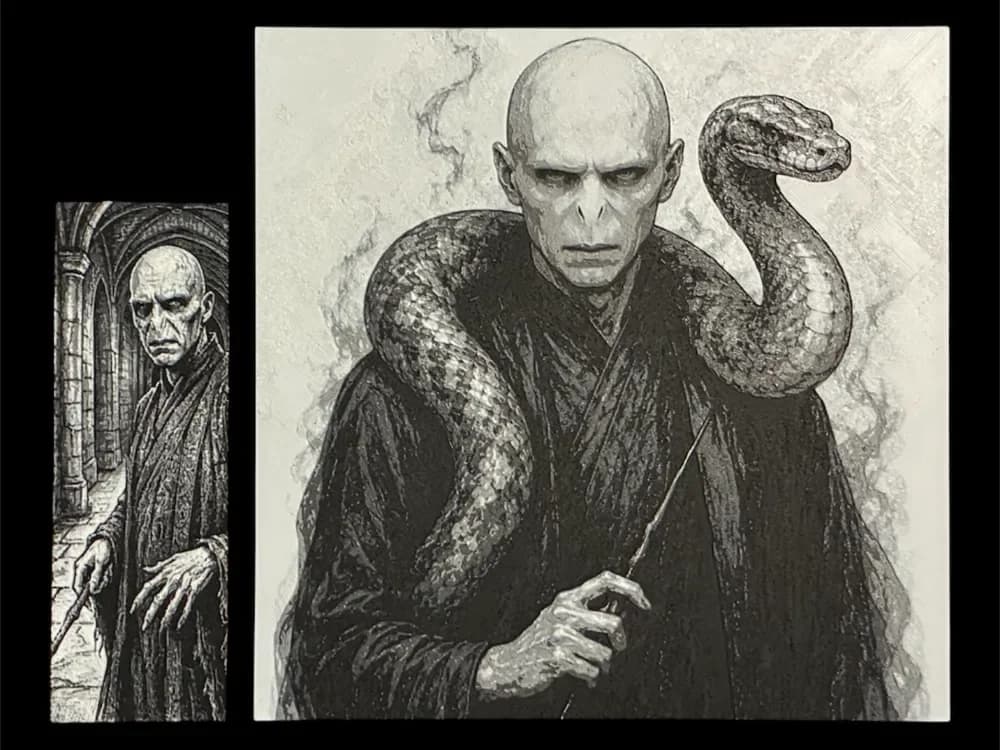
Voldemort Bookmark – The Dark Lord
by The SkyLab 3D
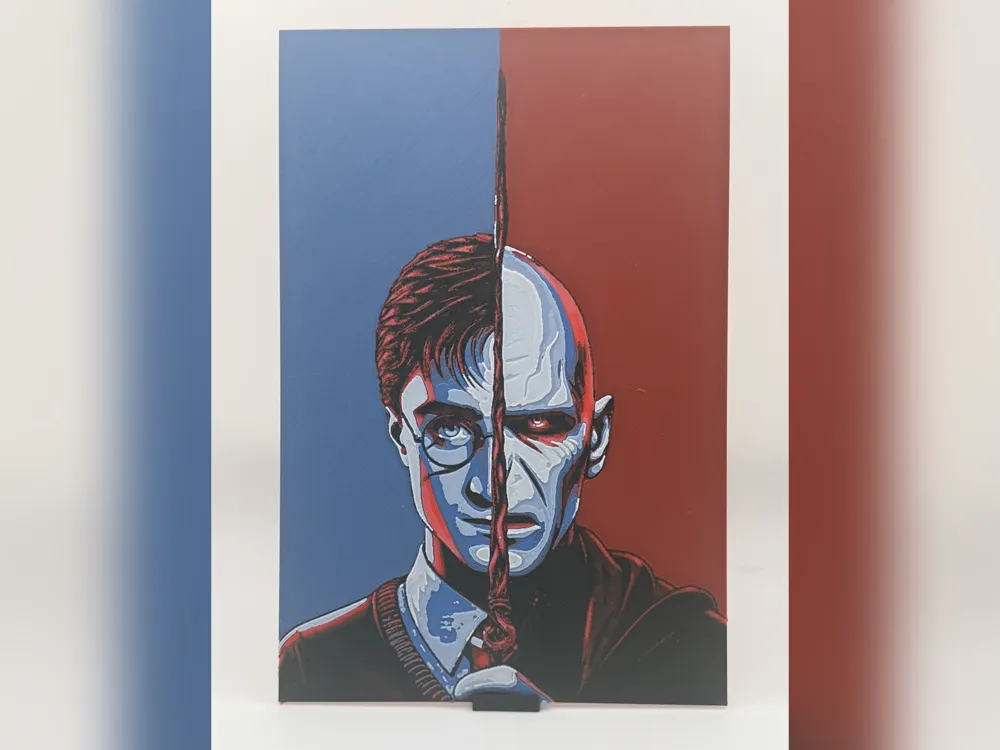
Harry Potter / Voldemort HueForge Print
by iPrintStuffau
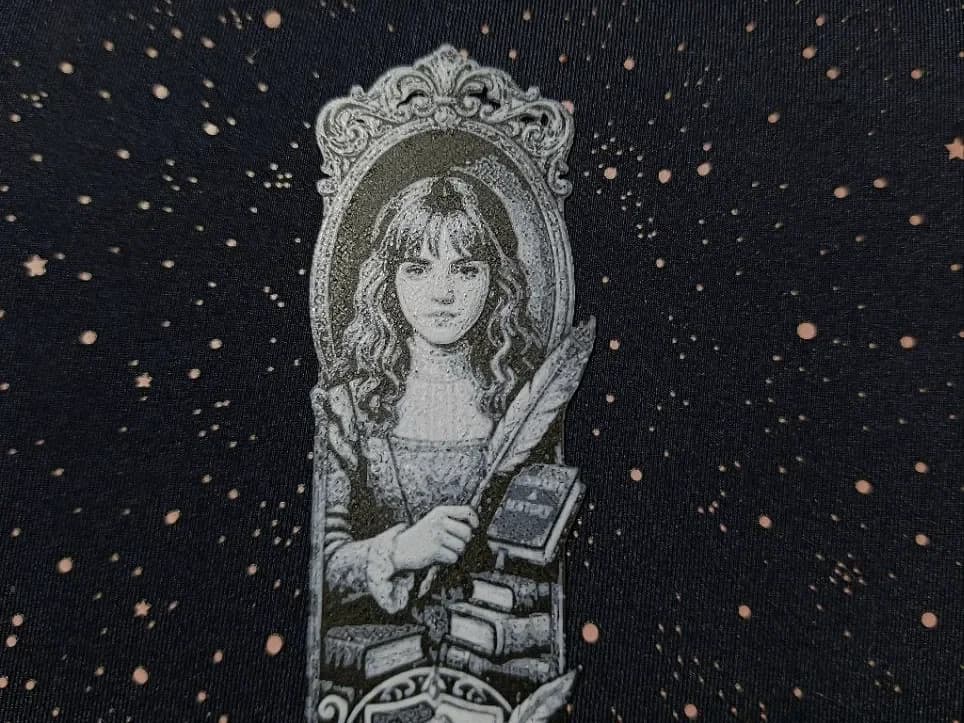
The Brightest Witch
by FYTY112
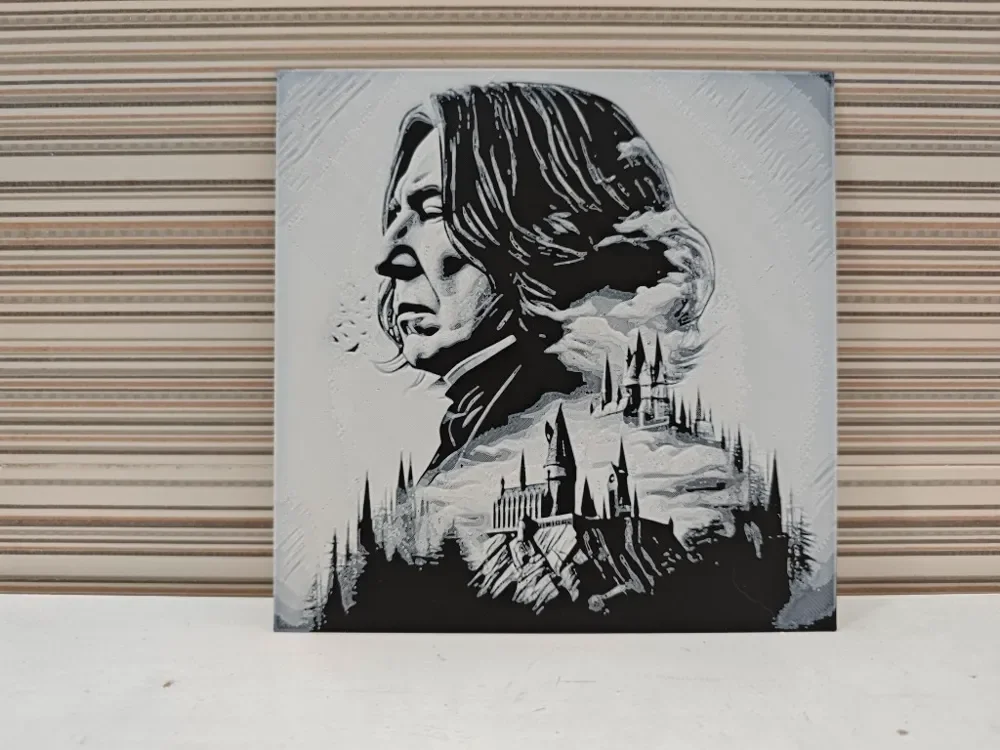
Hueforge Severus Snape
by Litolunar
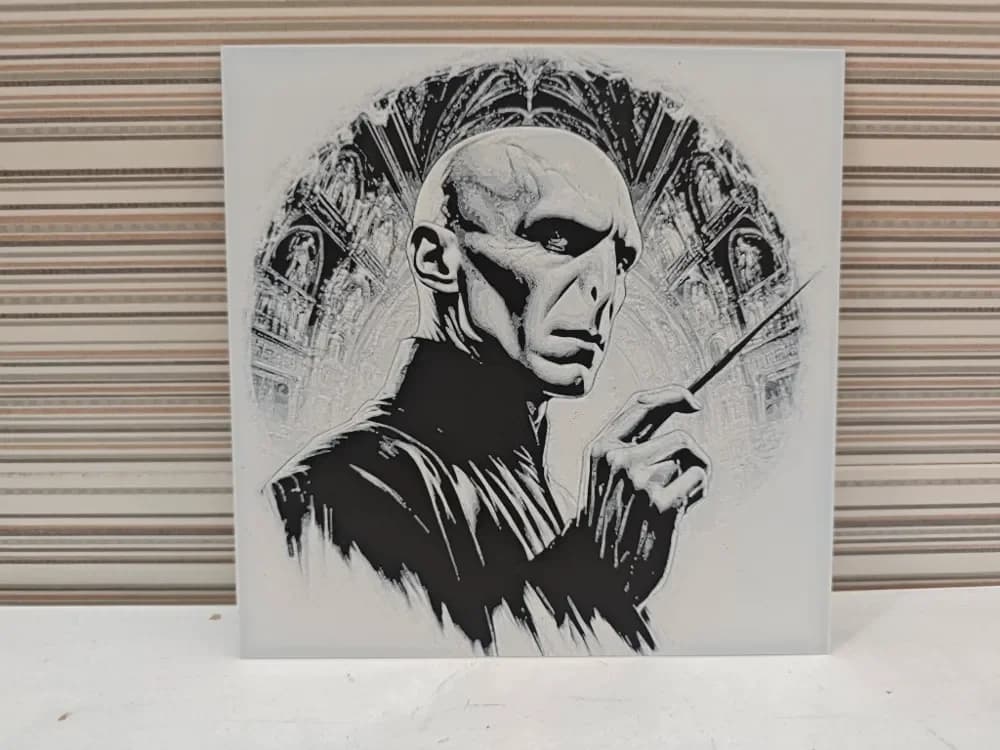
Hueforge Lord Voldemort
by Litolunar
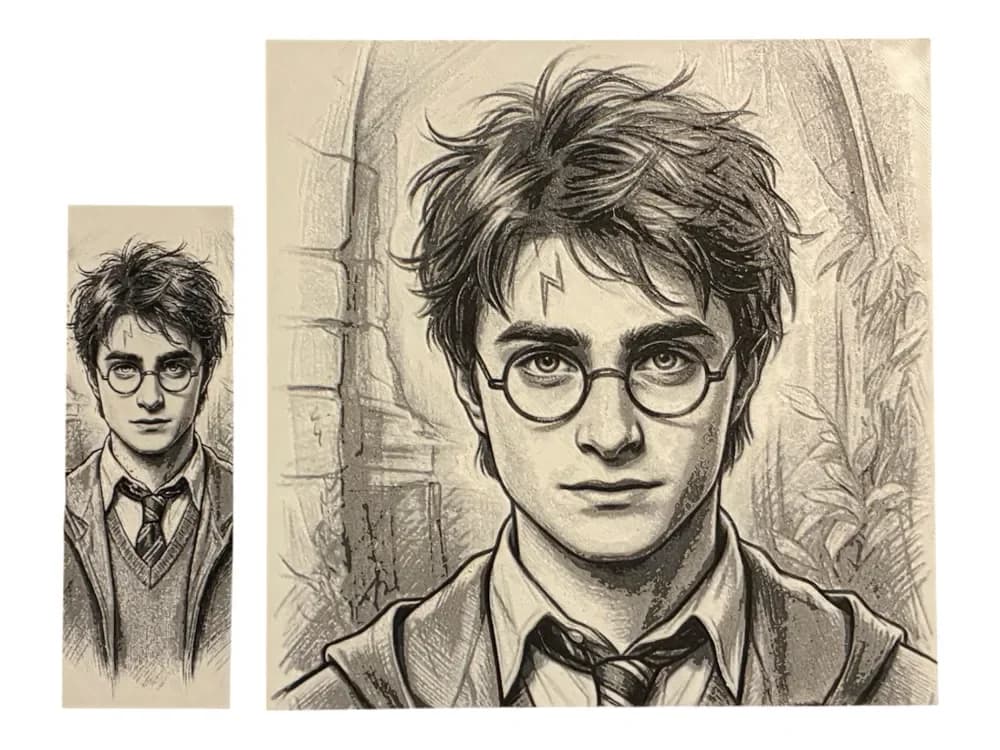
Harry Potter Bookmark – The Boy Who Lived
by The SkyLab 3D
Recent Articles
View all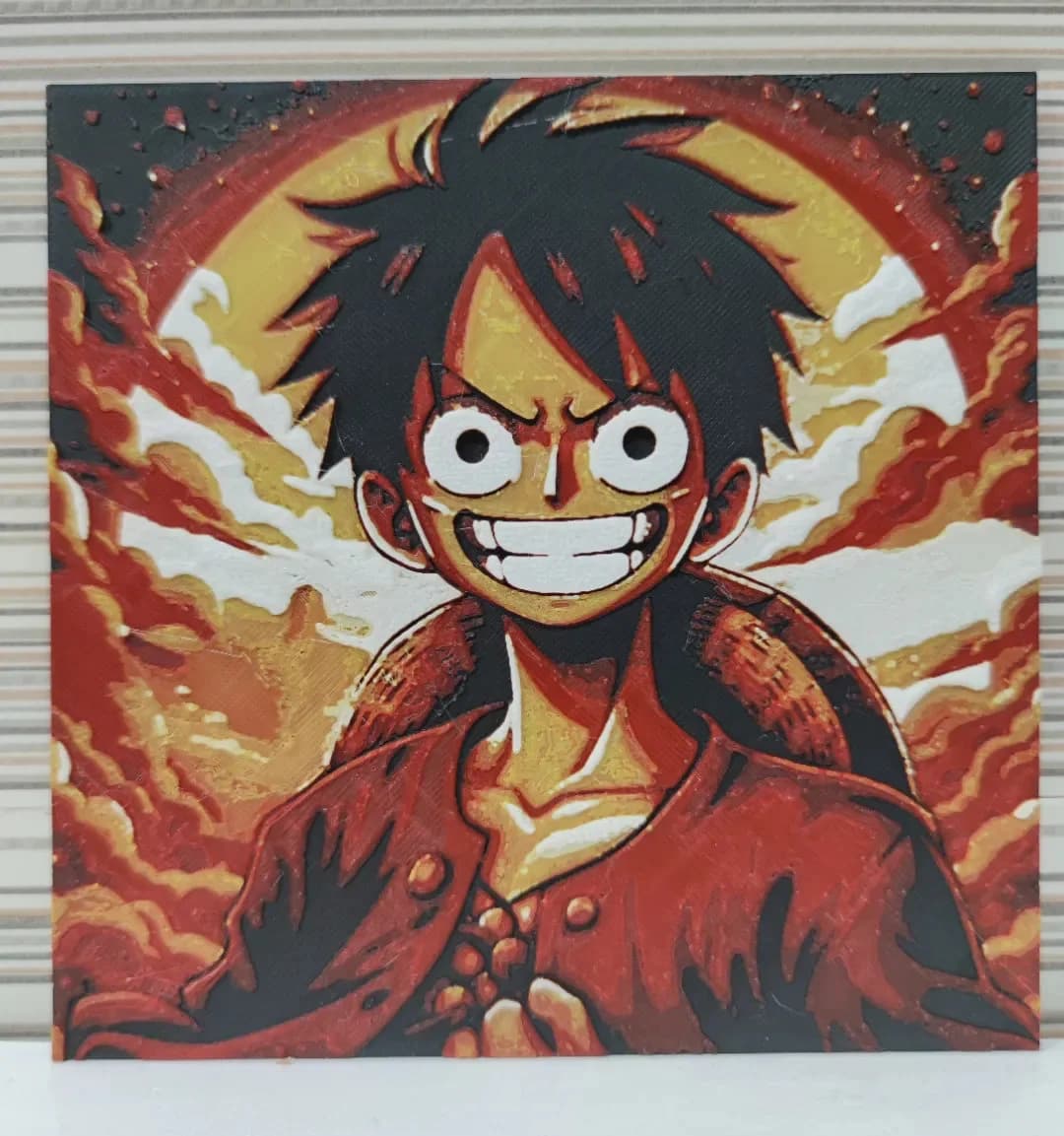
Best Anime 3D Prints for HueForge: From Shōnen Classics to the Modern Wave
The best anime 3D prints to make as HueForge filament paintings — One Piece, Naruto, Dragon Ball, Demon Slayer, Jujutsu Kaisen, Frieren, Gundam, and anime bookmarks, each linked in the HuePick catalog.
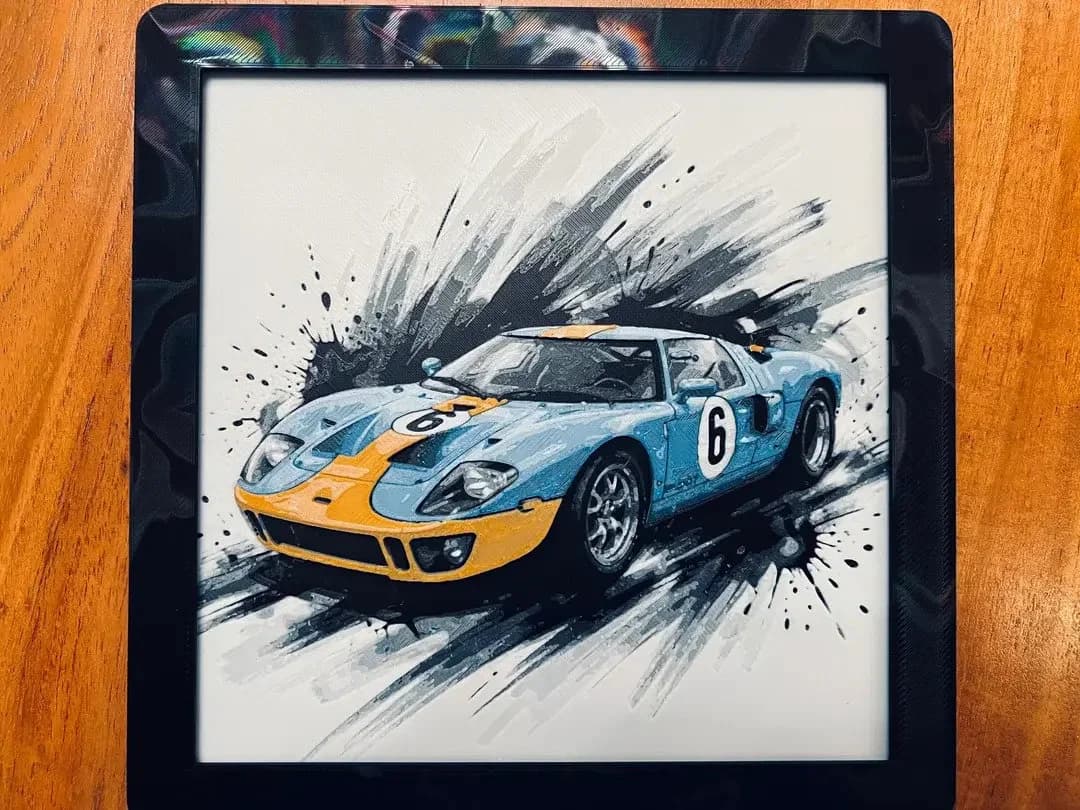
Best Car 3D Prints for HueForge: From Japanese Icons to Movie Cars
The best car 3D prints to make as HueForge filament paintings — JDM legends, supercars, American muscle, F1 and rally posters, and movie icons like the DeLorean, each linked in the HuePick catalog.
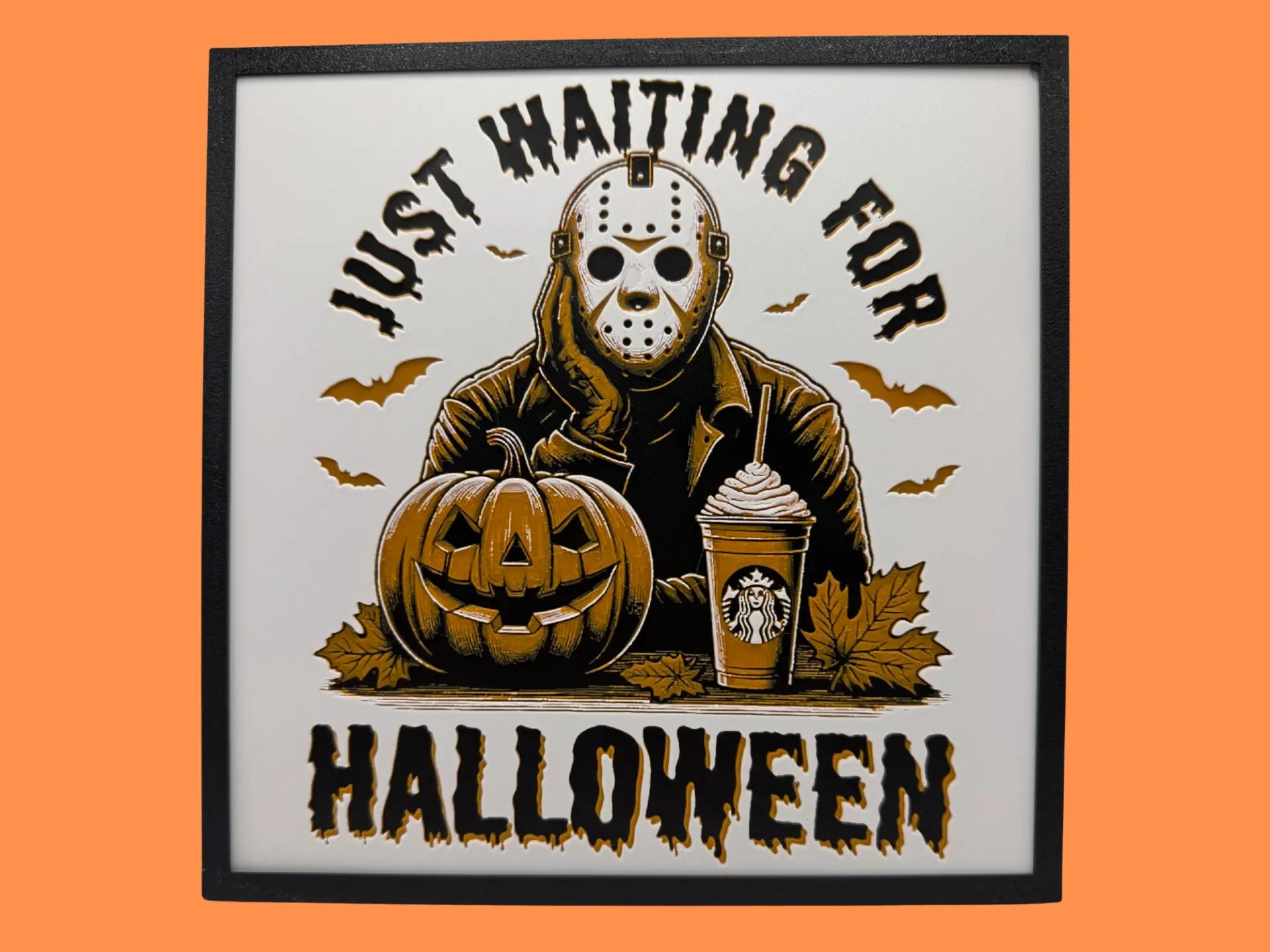
Best Halloween & Horror 3D Prints for HueForge: Slashers, Skulls & Spooky Wall Art
The Halloween 3D prints worth making as HueForge filament paintings — horror movie posters, Ghostface and Pennywise, skulls, pumpkins, spooky Pokemon, and bookmarks, grouped by theme.